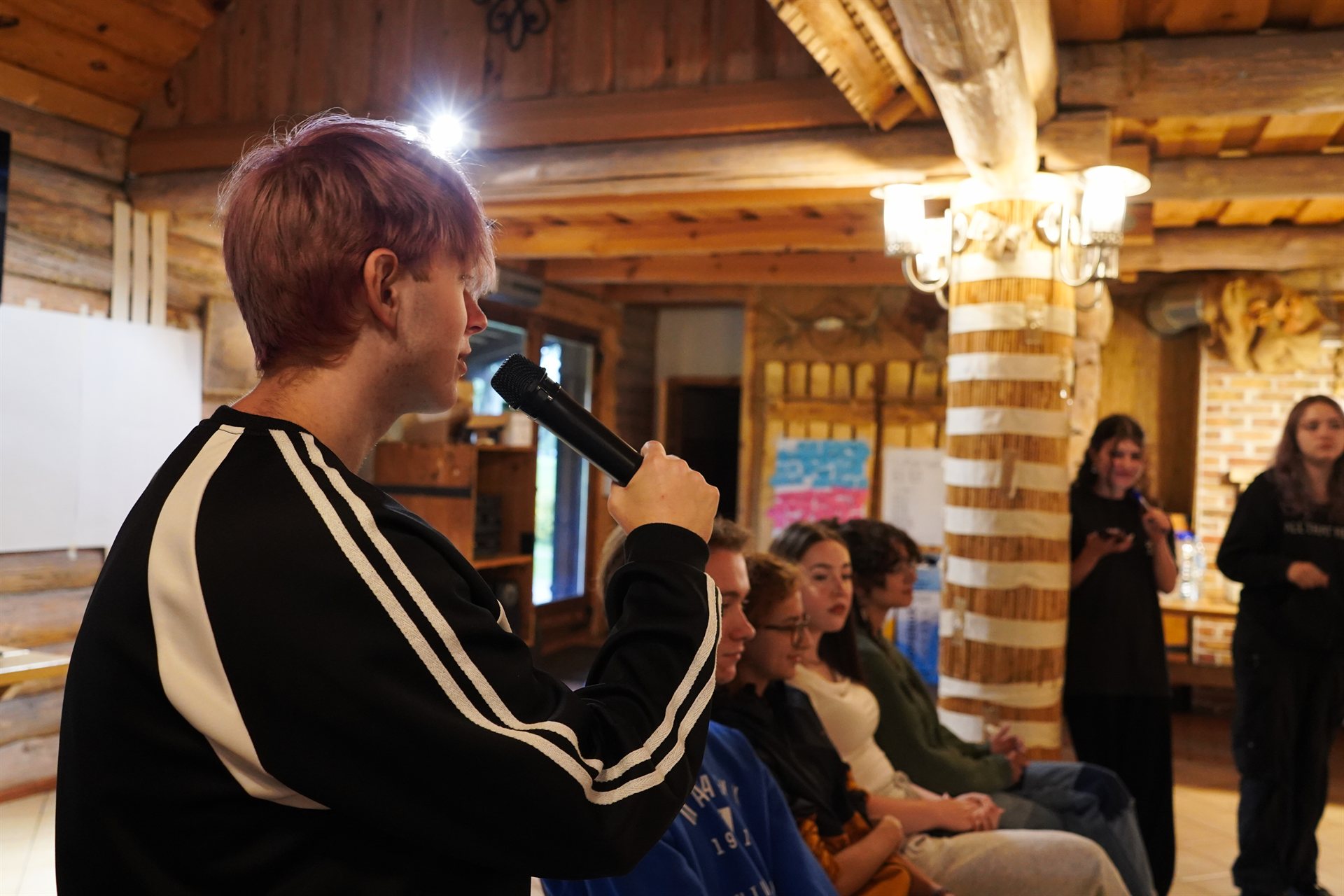
Navican, InclEye, Togetherly. By the end of one afternoon those names belonged to fully argued inventions, a navigation aid, a pair of assistive glasses, an app against loneliness, pitched by participants to a jury of their peers in a Shark Tank session. The ideas were sharp because the week behind them had been spent learning exactly which problems they needed to solve.
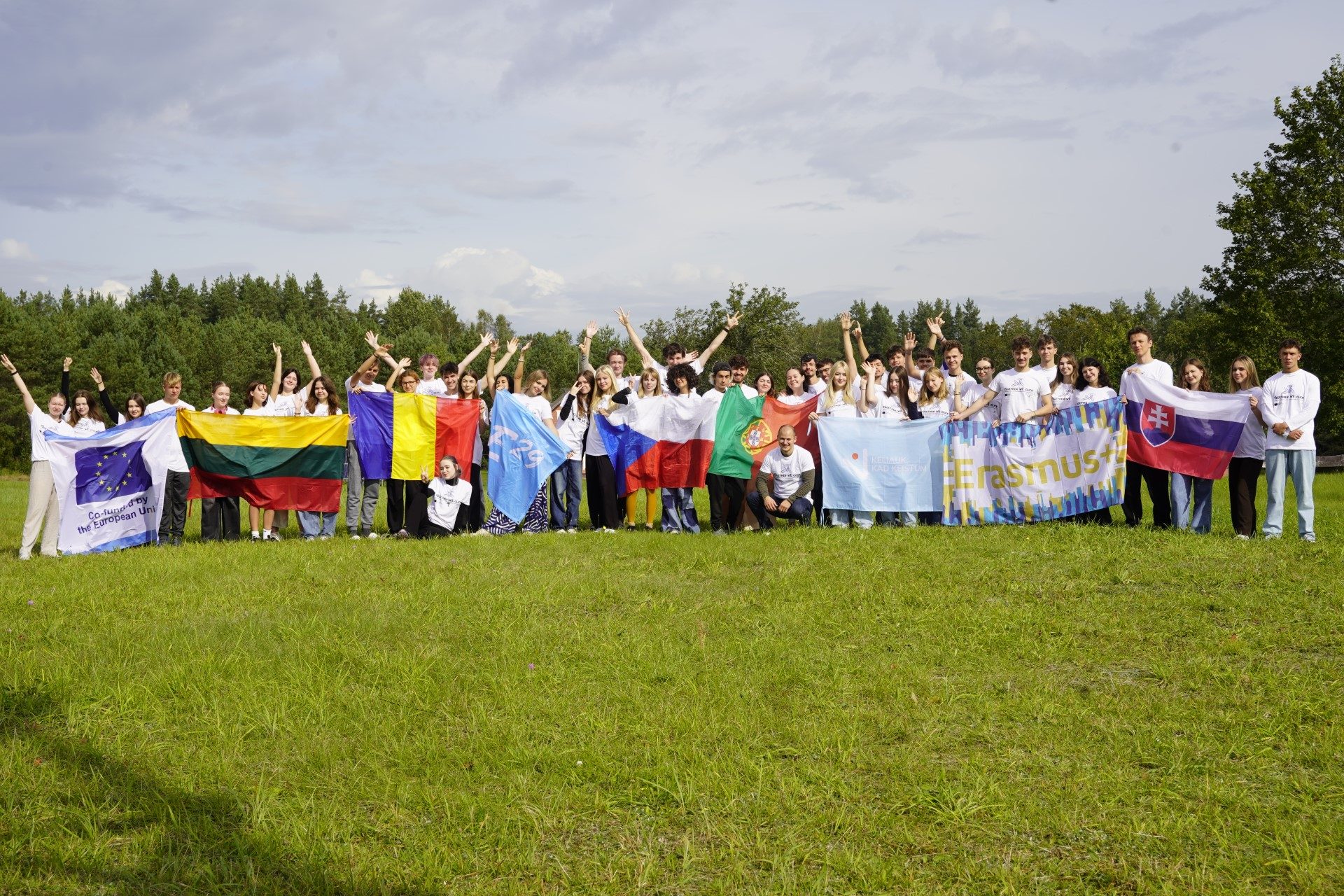
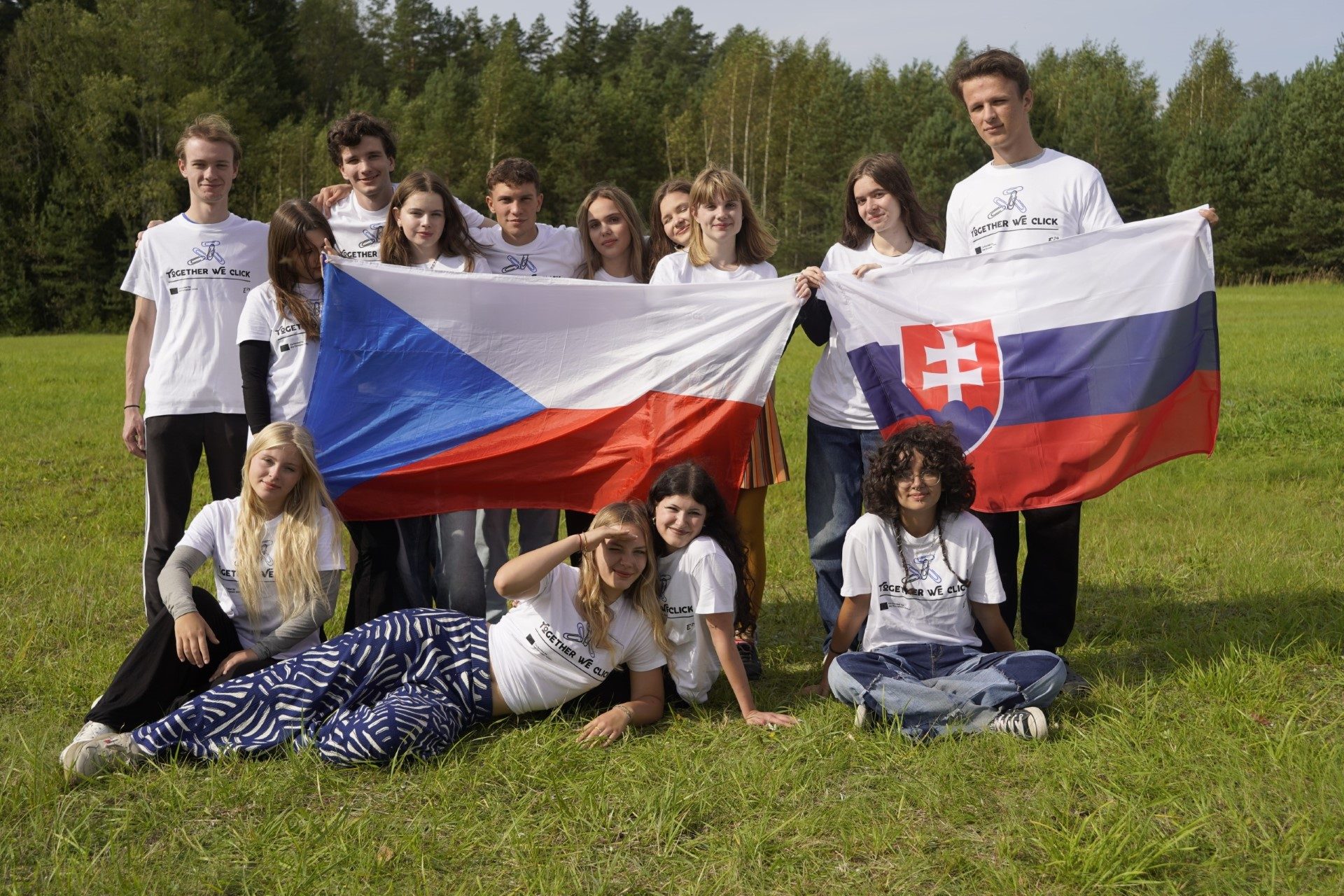
That week was Together We Click, a youth exchange in Labanoras, a forest village in Lithuania, with young people from Lithuania, Czechia, Slovakia, Hungary, Portugal and Romania. We took part as a partner organisation and sent a group of Slovak participants, who arrived curious about inclusion and left able to do something with it.
Strangers With Name Tags
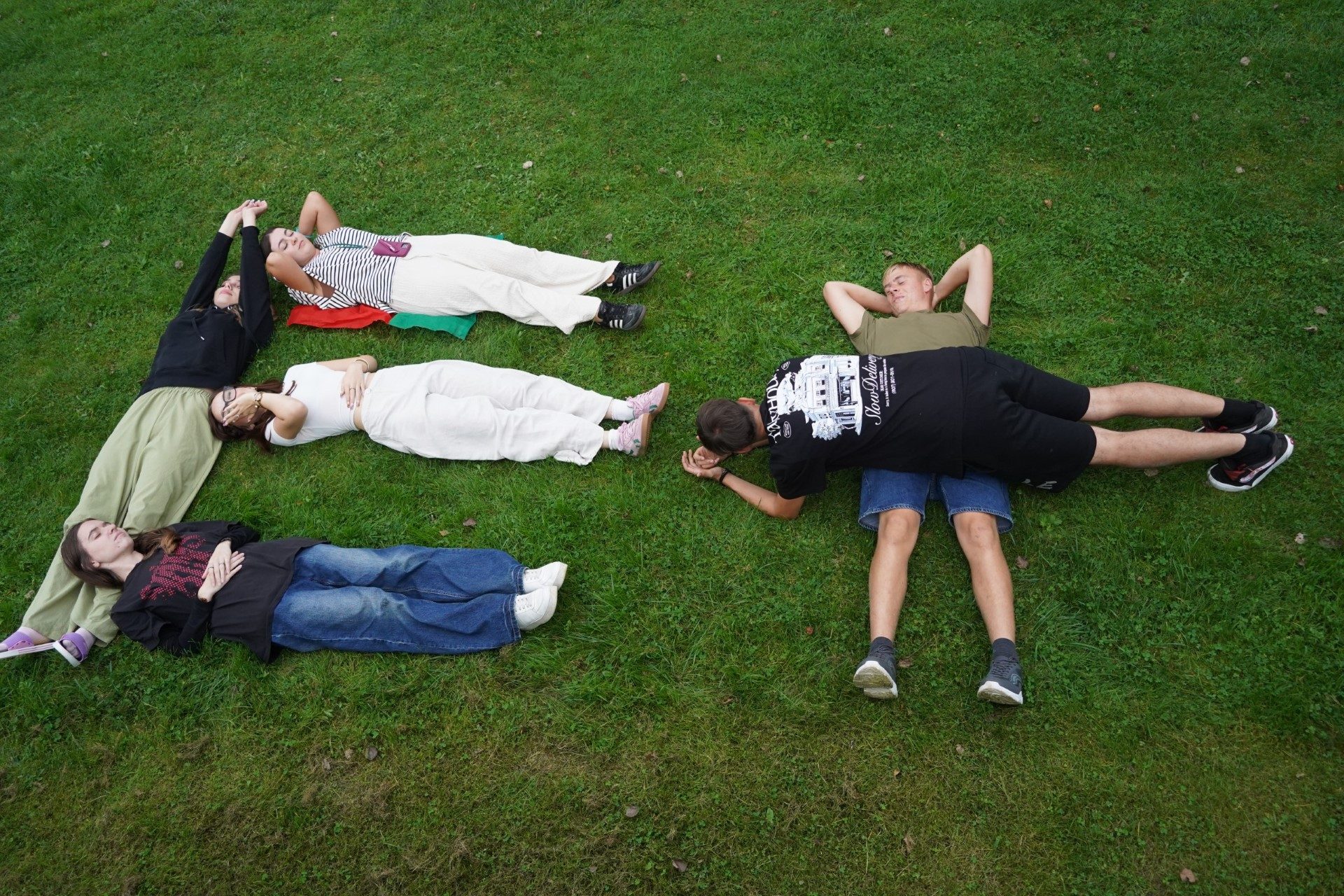
Good ideas need a group that already gets along, so the first days went to building one. Through name games, human bingo, and the small challenge of finding five things in common across mixed teams, a room of strangers loosened into something that could work together.
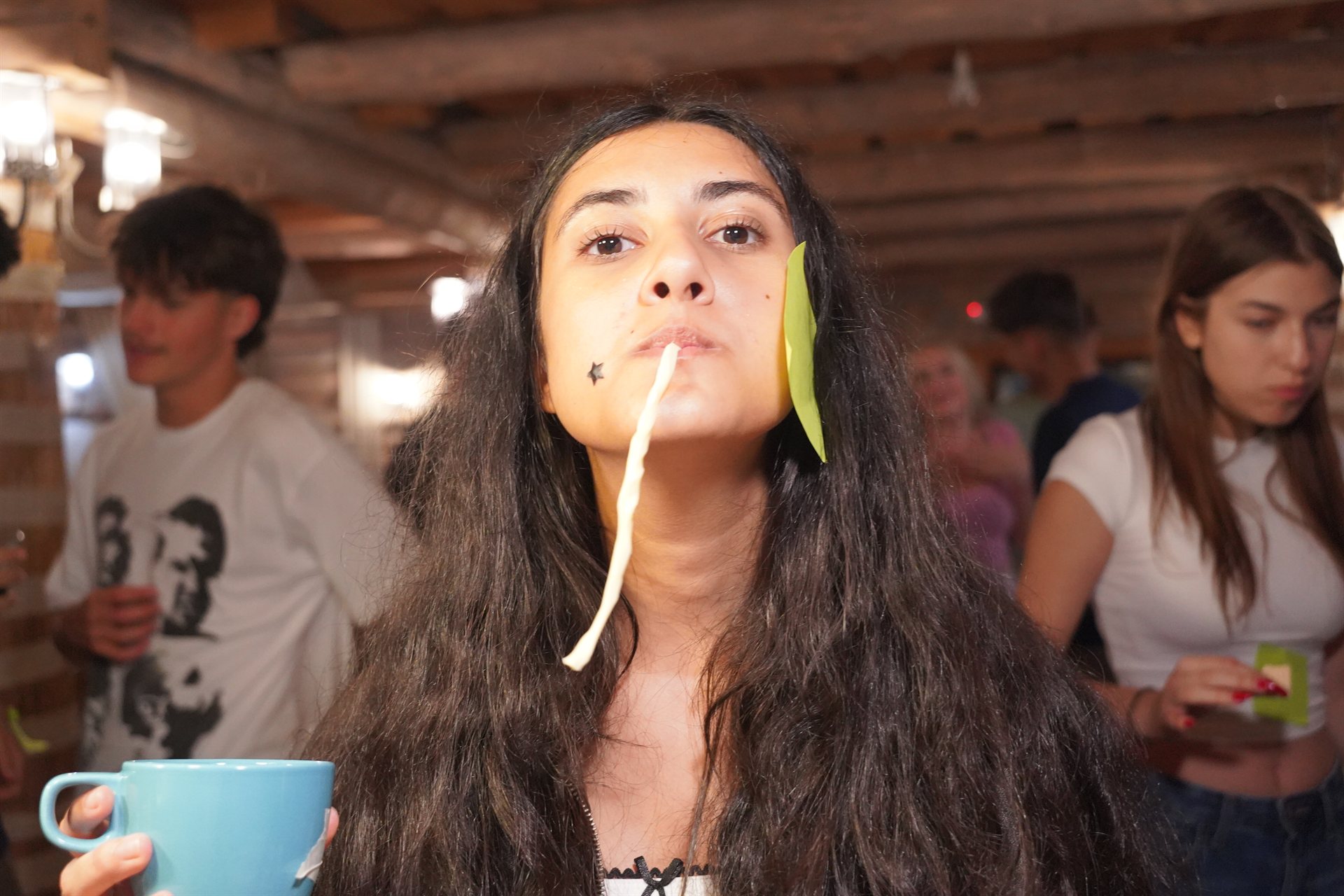
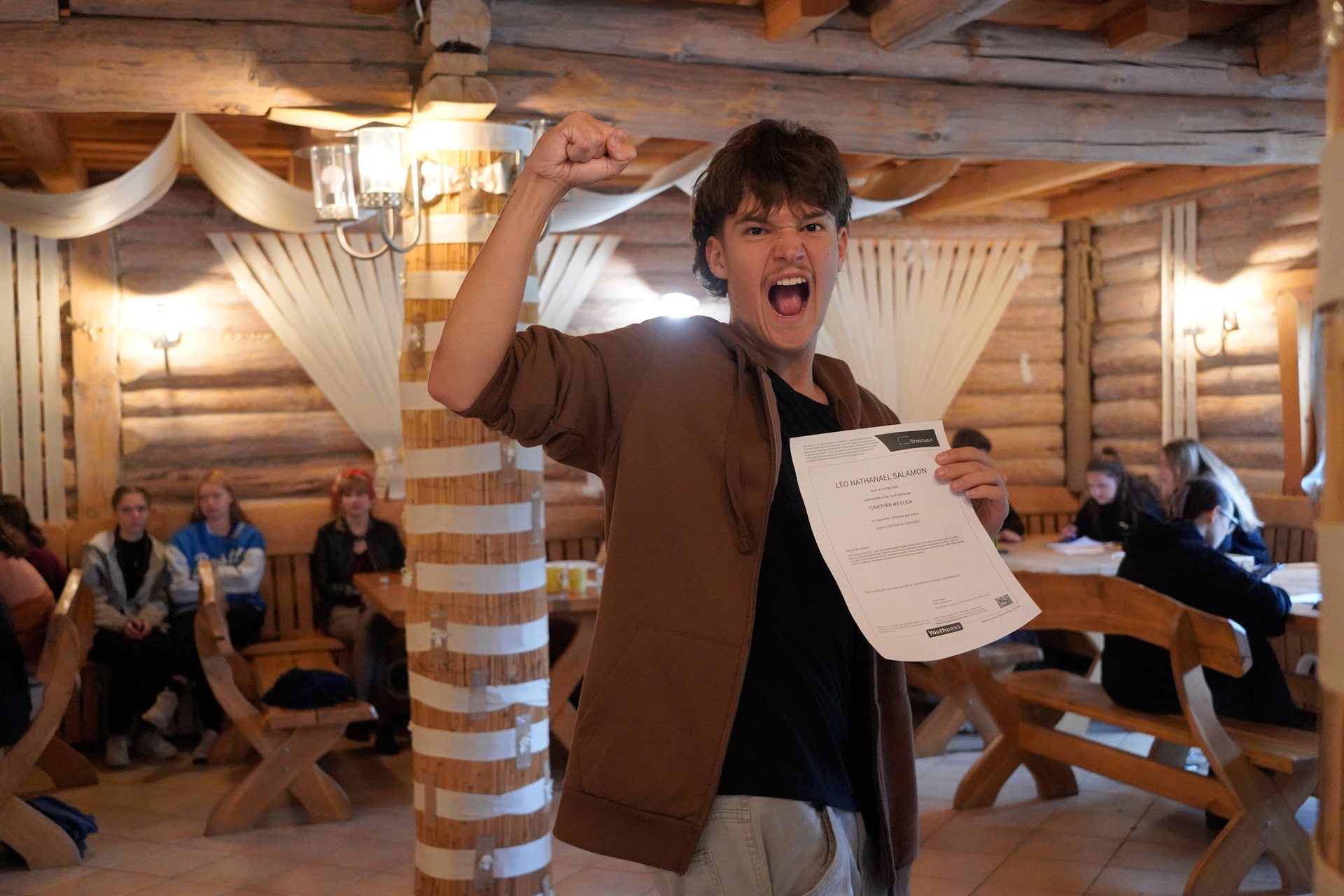
The participants set the rules themselves. In small groups they wrote and signed a Code of Conduct for the week and posted their hopes and fears for everyone to read. They divided the running of each day between rotating teams, from recall and energizers to evenings and documentation, and a Youthpass session gave names to the competences they were collecting. A Compliment Box and a Secret Friend, both anonymous, kept kindness circulating quietly until the farewell.

Putting Ourselves in It
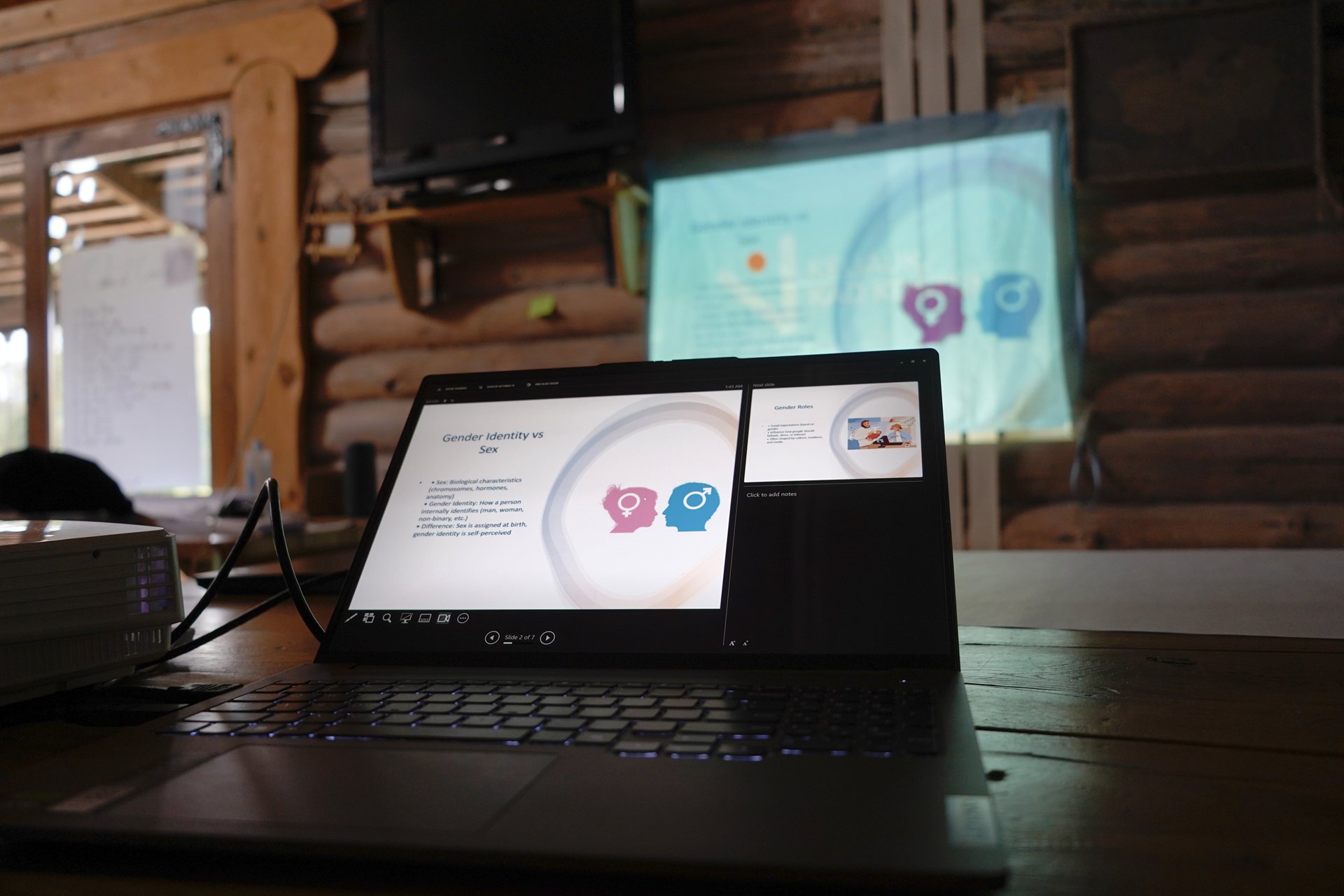
The heart of the week was a series of sessions that refused to let inclusion stay abstract. The group broke discrimination into its real forms, nationality, gender, disability, religion, appearance, and tracked how each surfaces in everyday life. A debate had participants walk to the side of the room they believed in and make the case aloud, and in forum theatre they performed scenes of exclusion before handing the audience the power to step in and change them.
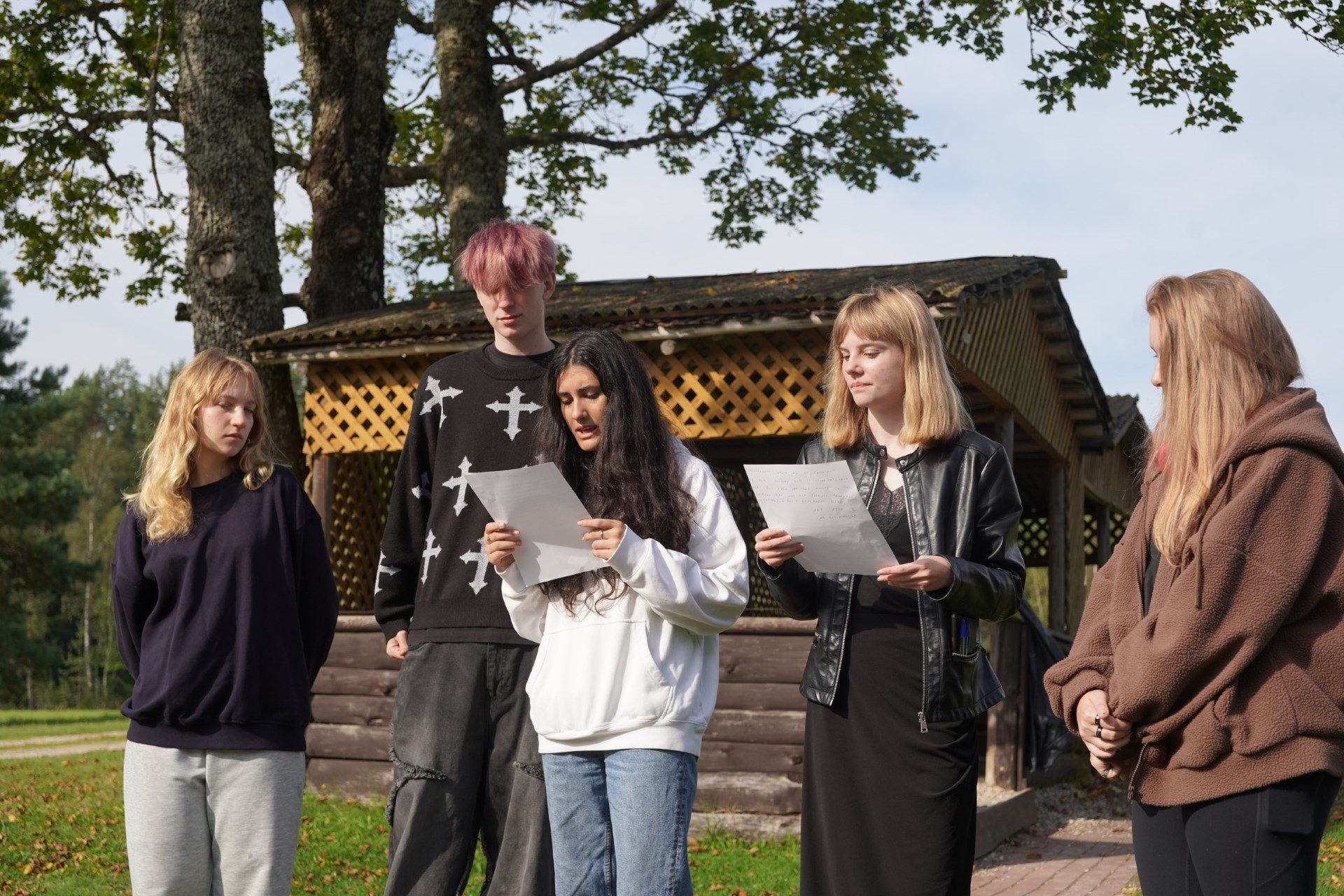
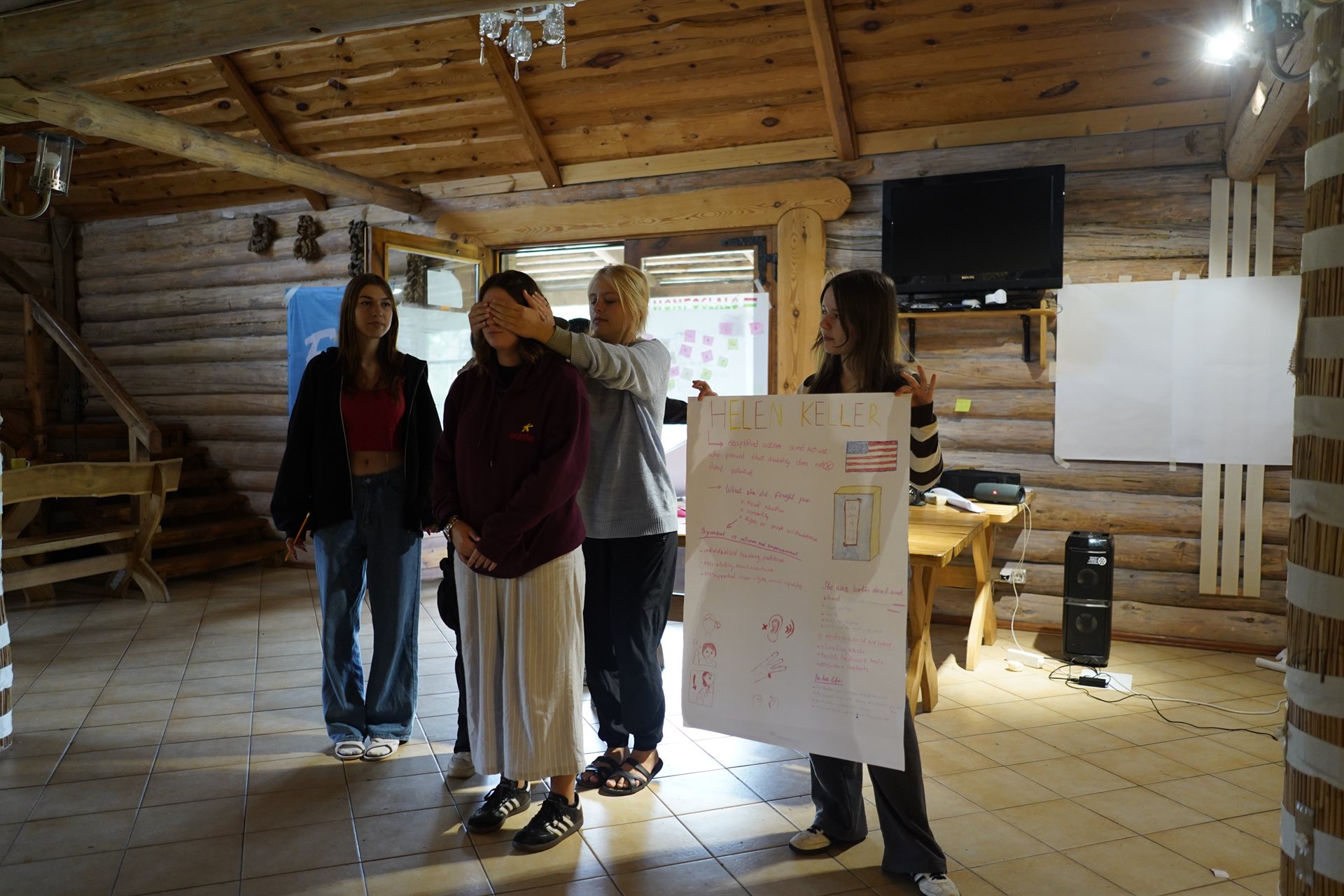
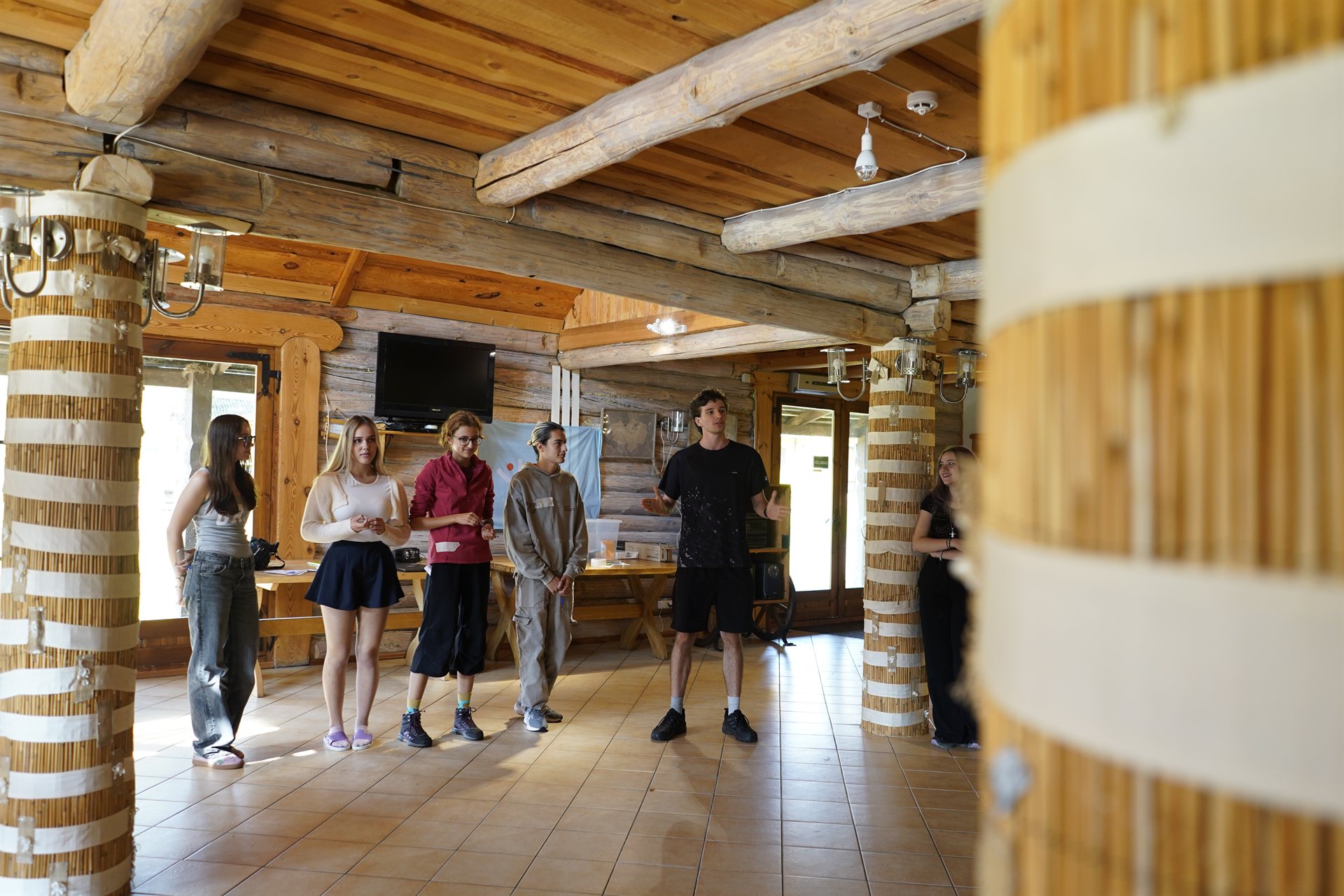
The accessibility sessions left the deepest mark. Participants delivered whole presentations using only gesture and the sign-language alphabet, without a single spoken word, and read Braille with their eyes shut from one shared key. An adapted sports game removed a movement from each player and asked the team to keep everyone in the match regardless. For a few minutes at a time, the group lived inside the barriers it had been naming.


Ideas Worth Pitching
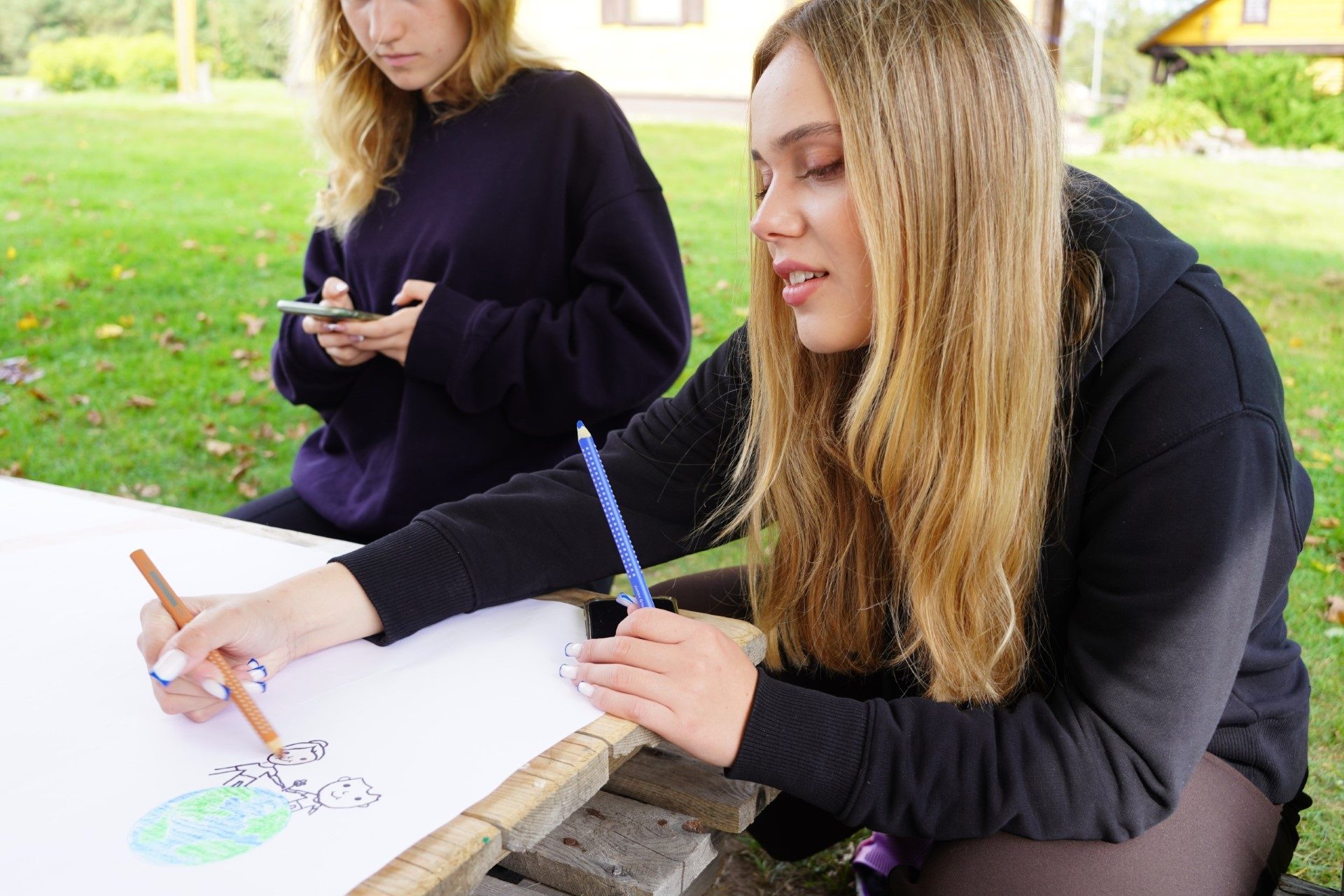
The second half of the exchange was about output. Before the Shark Tank pitches, teams had already turned subjects like mental health stigma into comics and posted them as a gallery. National Perspectives sessions had each country speak plainly about its own record on inclusion, and The Bias of Words asked teams to write two opposite articles about the same film, a quick lesson in how easily a story can be steered.
The digital work carried the message furthest. Participants scripted and edited short videos that took on the stereotypes their own generation meets online, some funny, some serious, all made to be shared.
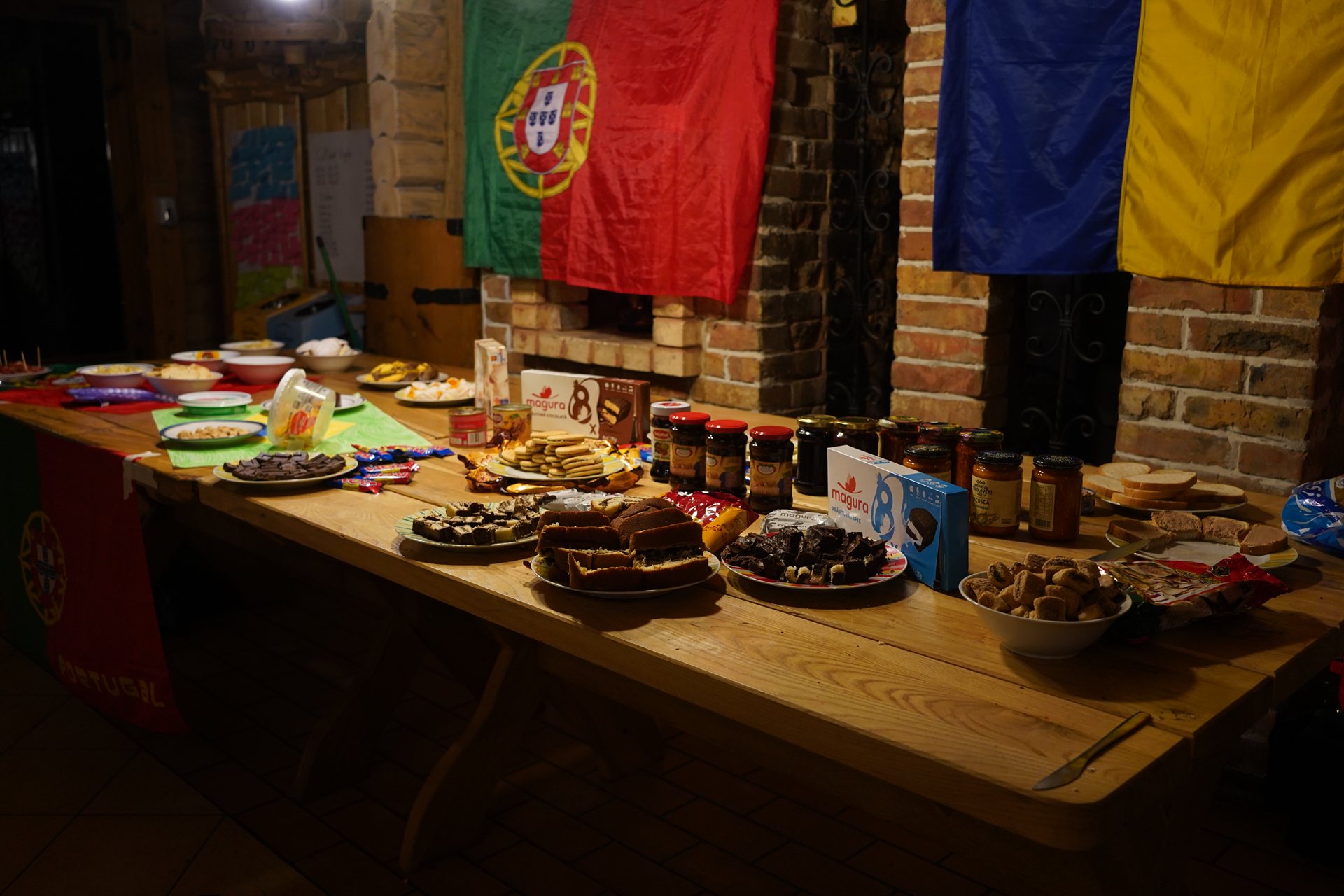
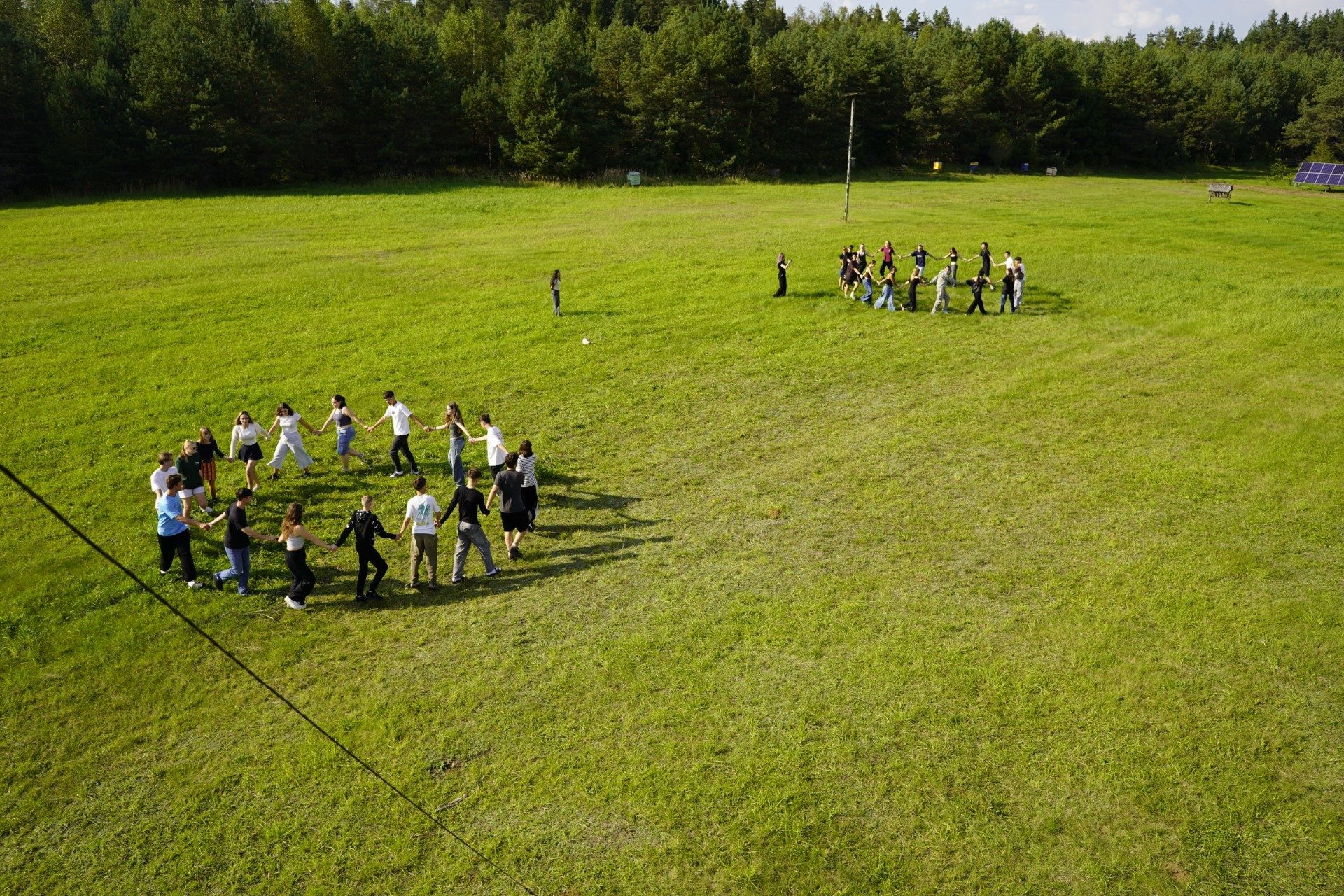
The evenings stayed with the cultures in the room: three nights of countries hosting in turn, sharing food and teaching dances that left no one sitting down.
What We Took From Labanoras
Our Slovak participants returned with more than memories of a good week. They can now name the quieter forms discrimination takes, recognise the barriers other people navigate daily, and respond with something built rather than merely felt, a pitch, a comic, a video, a fairer game. Inclusion had moved from a value they held to a practice they could repeat.
The lasting image is a roomful of young people inventing tools for lives unlike their own, having spent a week genuinely trying those lives on. Together We Click was hosted under Keliauk Kad Keistum’s Erasmus+ Accreditation and co-funded by the European Union.
Photo Gallery
A few more moments from this activity :)


Check these and more photos in the activity’s photo album.