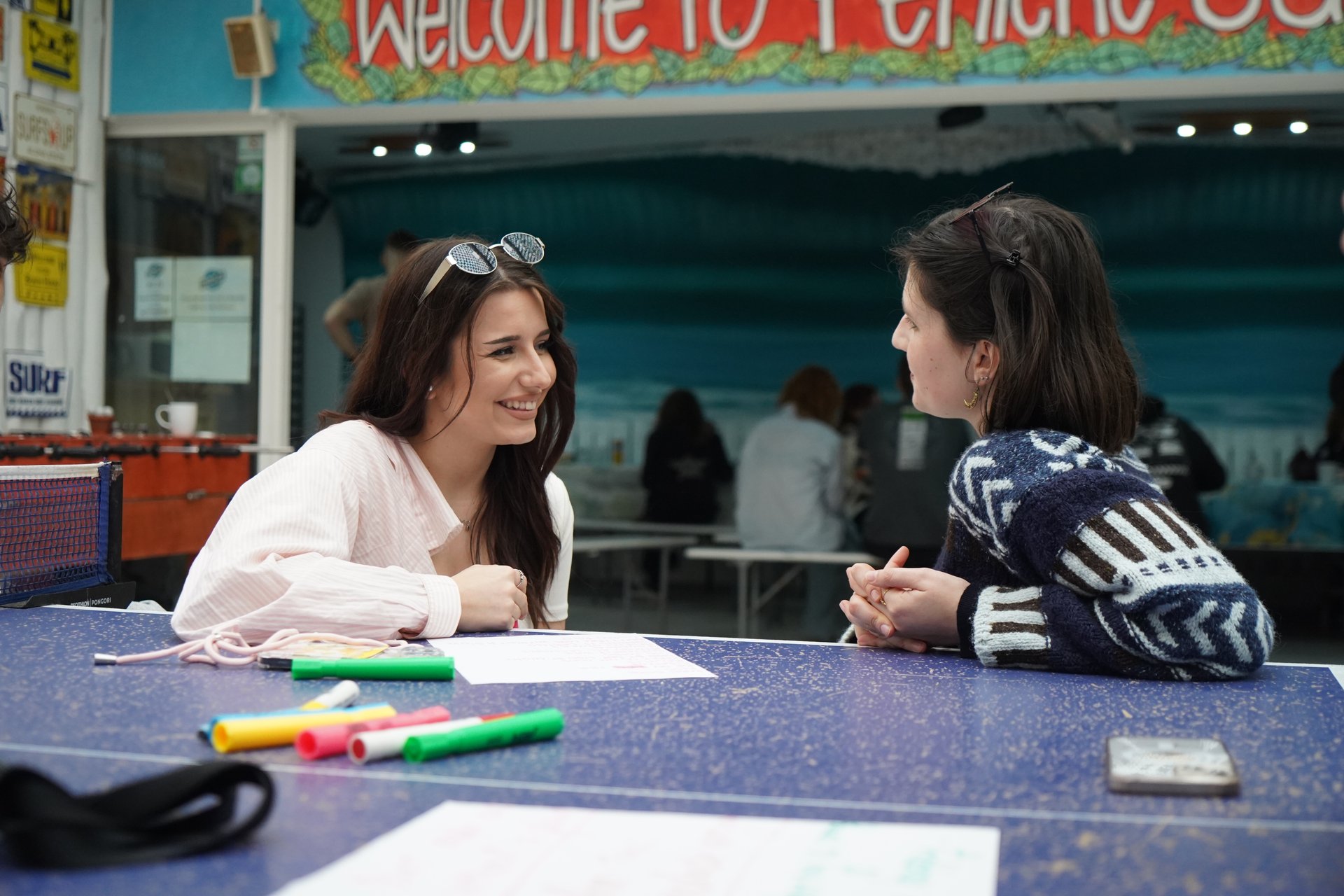
Sixty minutes on the clock, a random social issue or everyday object on the table, and one task: take something tired and familiar and remake it into a new logo, a sharp slogan and a visual concept worth pitching. That was the Rebrand It challenge, and somewhere in the middle of it our participants stopped overthinking and started designing. A worn idea became a brand. The room filled with marker squeak, half-finished posters and arguments about colour. When the timer ran out, each team stood up and sold what they had made.
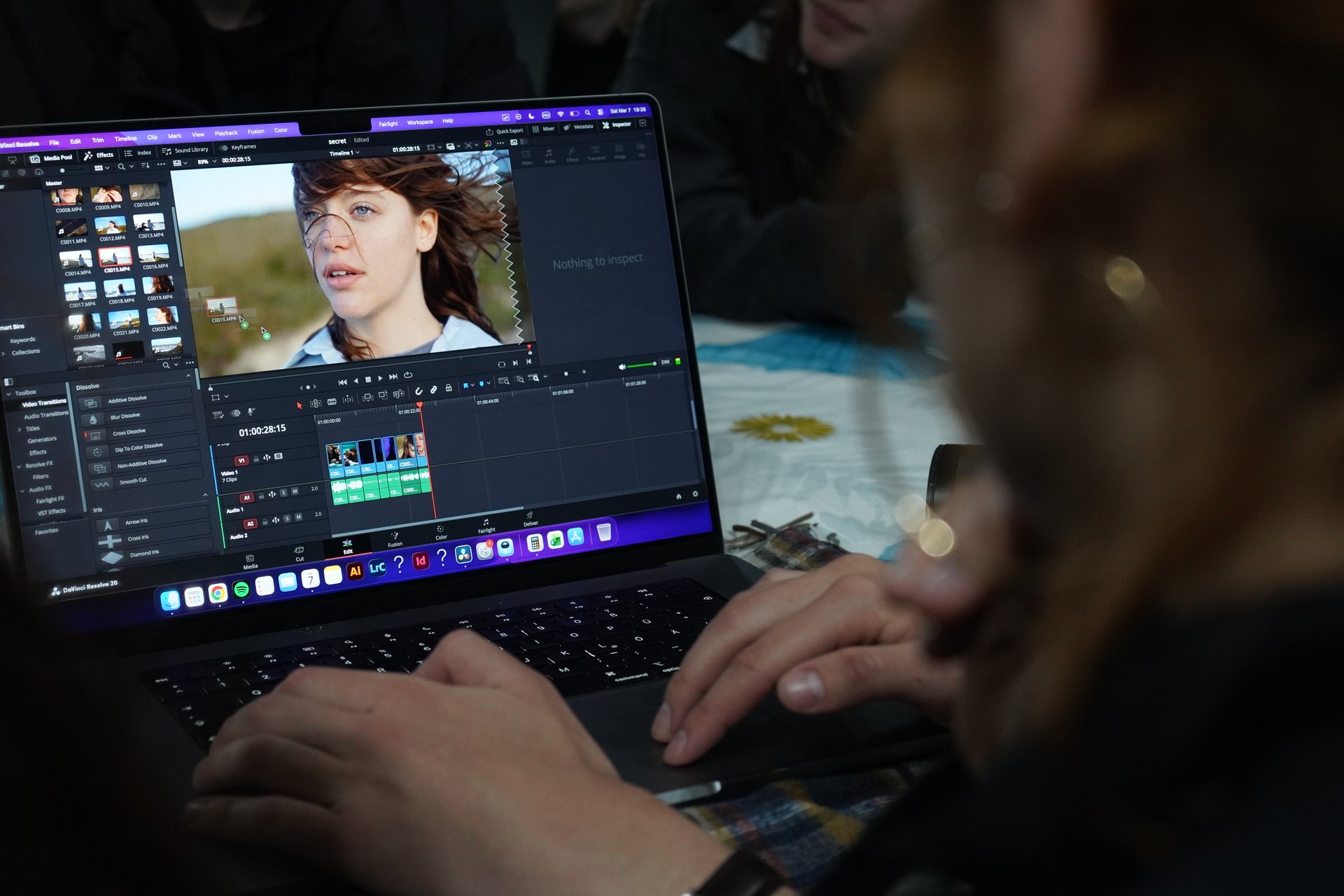
It is a small move, that one: take the familiar, look at it again, and remake it. It turned out to be the move the whole week was built on, all the way down to how we use the phones in our pockets.
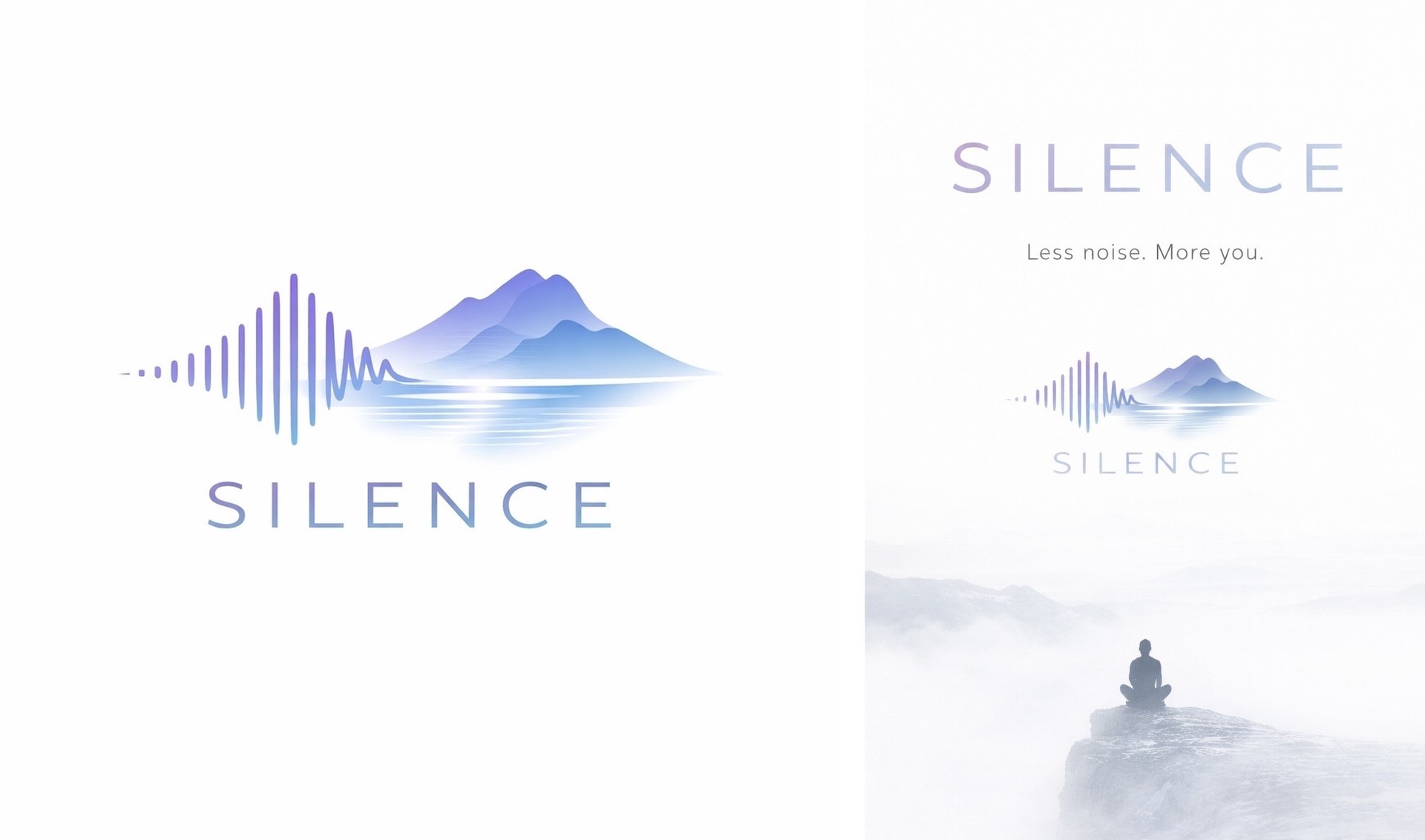
Silence: one team’s sixty-minute rebrand, logo and poster together.
Our team joined Swipe Forward as a partner, sending young people from across Slovakia to Ferrel, on the Portuguese Atlantic coast. CJE coordinated and hosted the exchange as part of its Erasmus+ Accreditation, and the room our participants walked into held young people from all five countries: Portugal, Czechia, Slovakia, Hungary and Lithuania. What we went to do was simple to say and harder to live: stop being passive consumers of digital content and become confident creators of it, across photography, video, graphic design and digital storytelling, with a clear eye on where AI helps and where it does not.
Sixty minutes to remake an idea
The rebranding instinct showed up early and never really left. Before the big creative work began, our participants were already learning to look at the familiar and ask what it could become. The From Scrollers to Creators session set the tone: everyone pulled up their last ten scrolls and looked, honestly, at what their attention had been spent on. The talk turned to Attention, Emotion and Intention, the three levers that decide whether a feed uses us or we use it. It reframed the phone from a thing that happens to us into a thing we can shape.
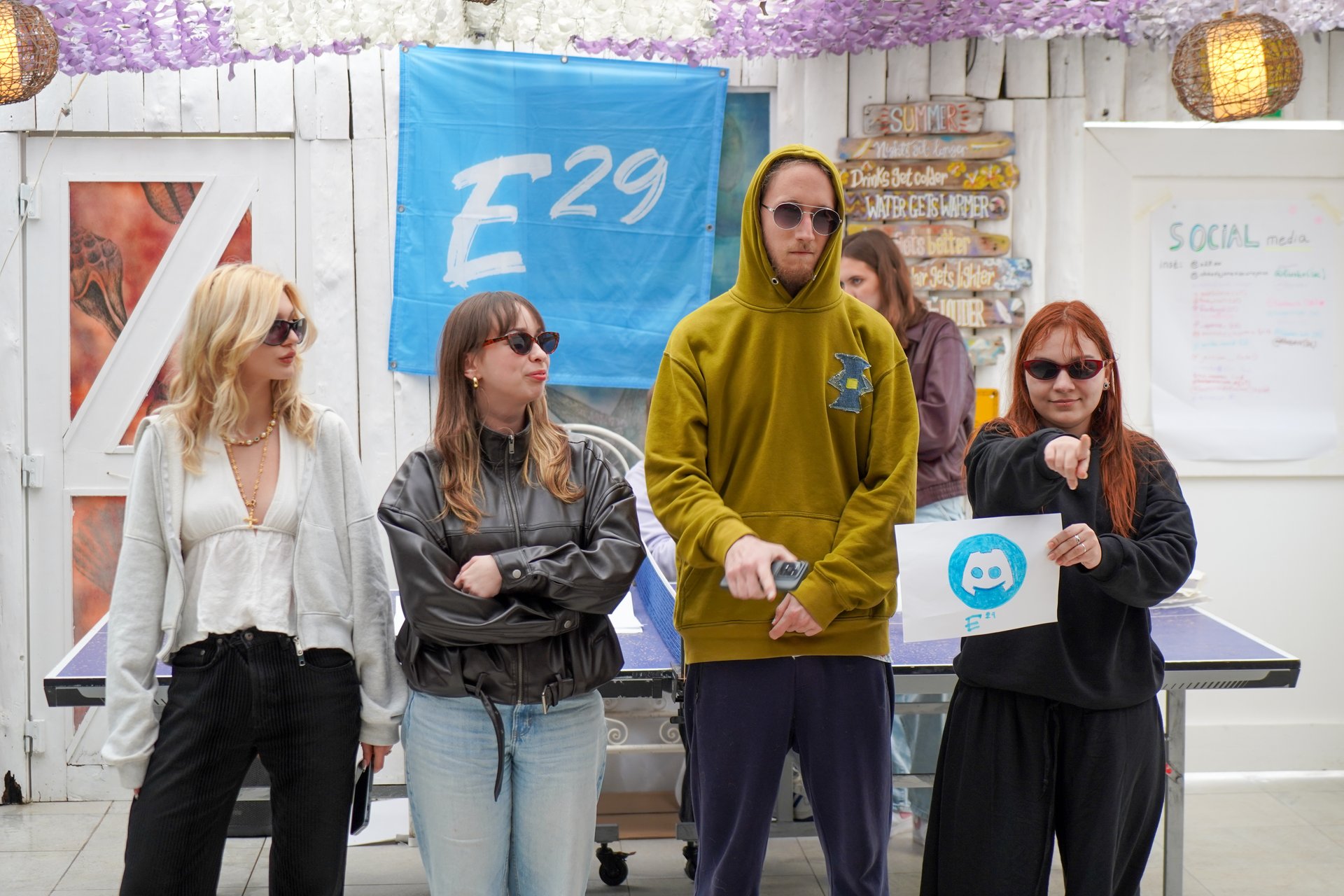
A Spectrum activity gave the group a way to disagree out loud, standing along a line according to how strongly they held a view on digital life, then explaining why. Nobody was talked at. People moved, listened and moved again. That same reframing logic, take the obvious position and turn it over, carried straight into the design work that came later.
Finding our feet as a group
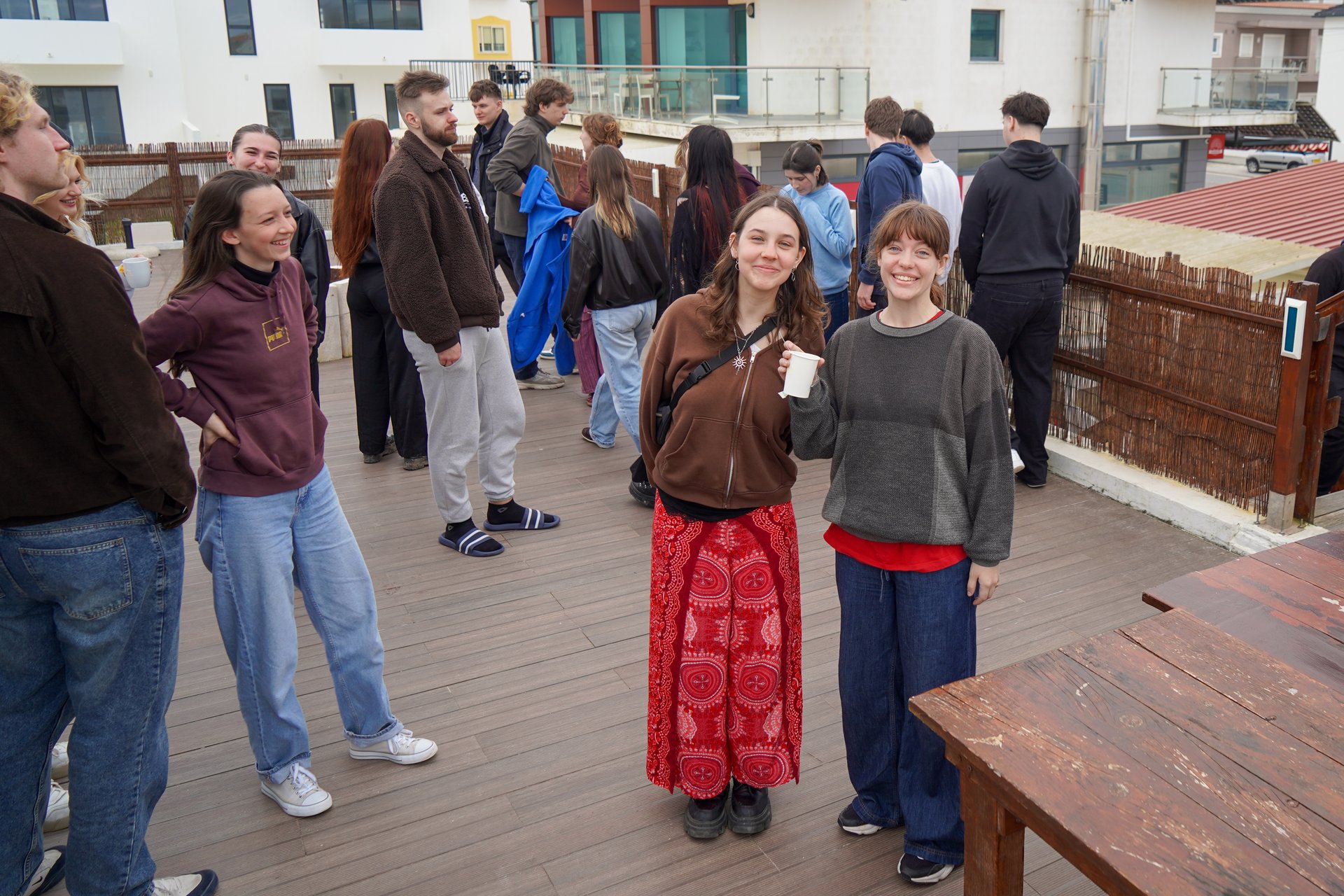
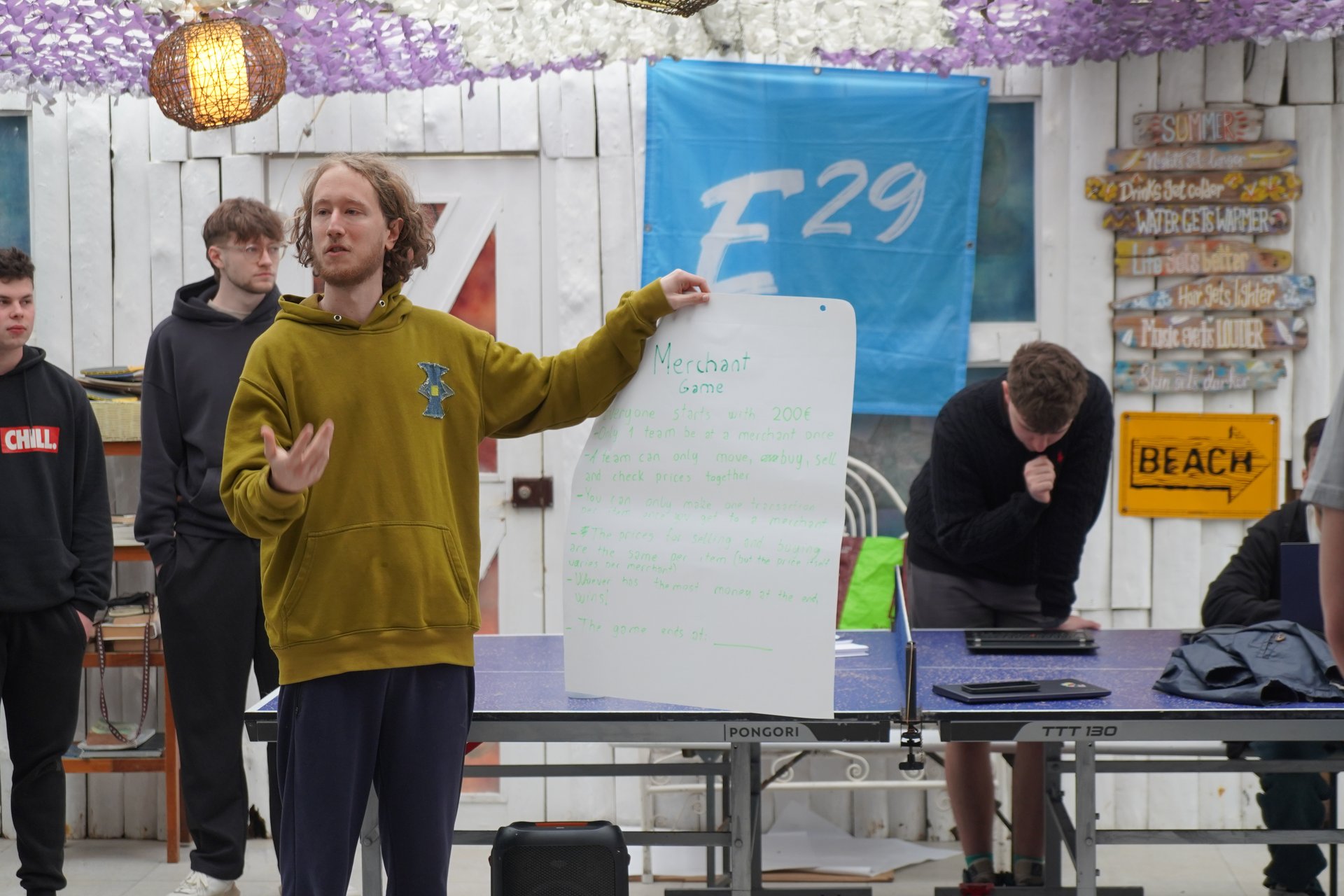
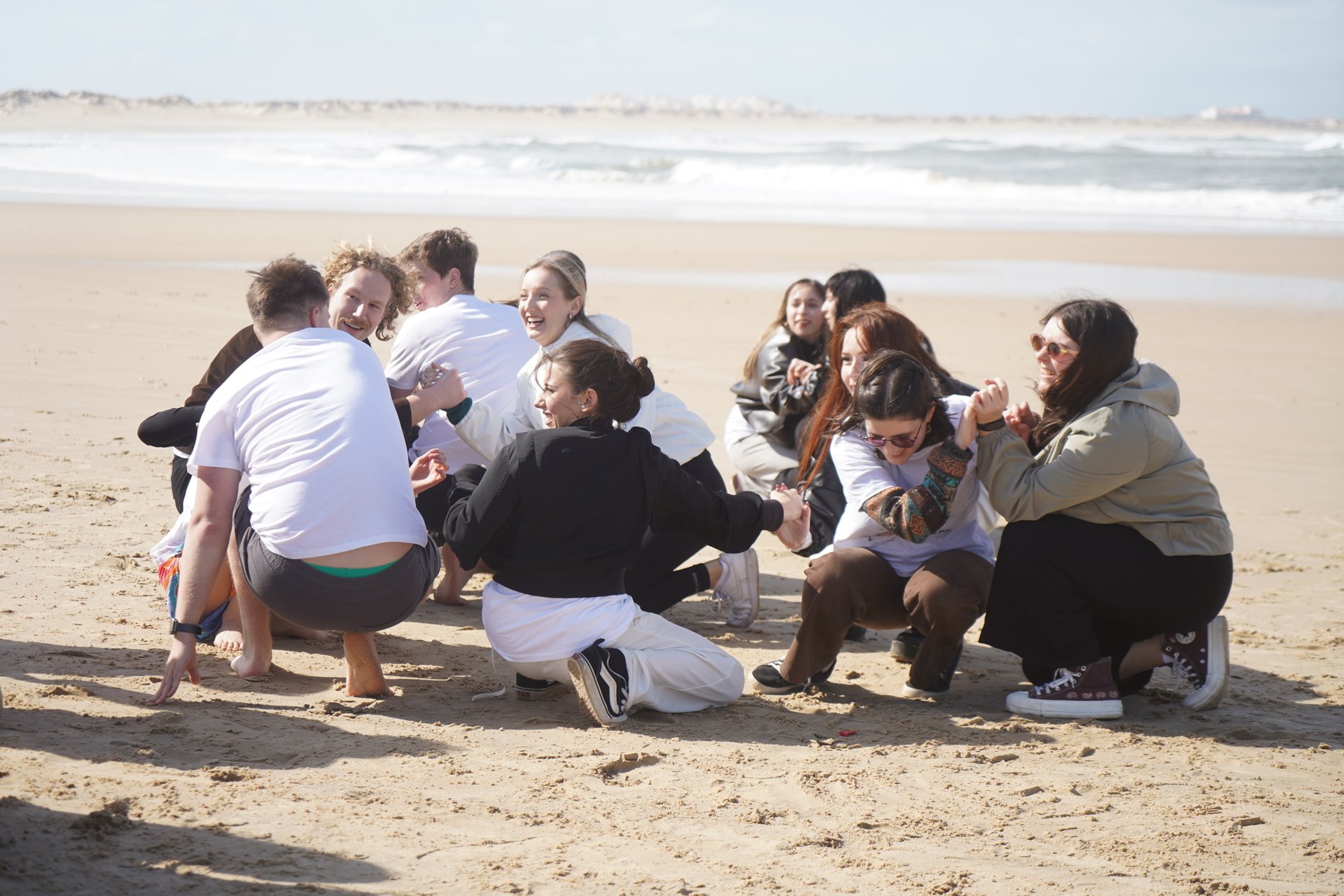
Strangers from five countries do not become a team on arrival. The session that broke the ice fastest was the Merchant Game, a fast, frantic trading simulation where prices shifted with every deal. Teams haggled, undercut each other and chased the best price across the room, and somewhere in the noise the strangers started to read one another. A wordless Silent Line-Up and Human Knot did the quieter half of the same job, getting everyone untangling arms and laughing before names were fully learned.
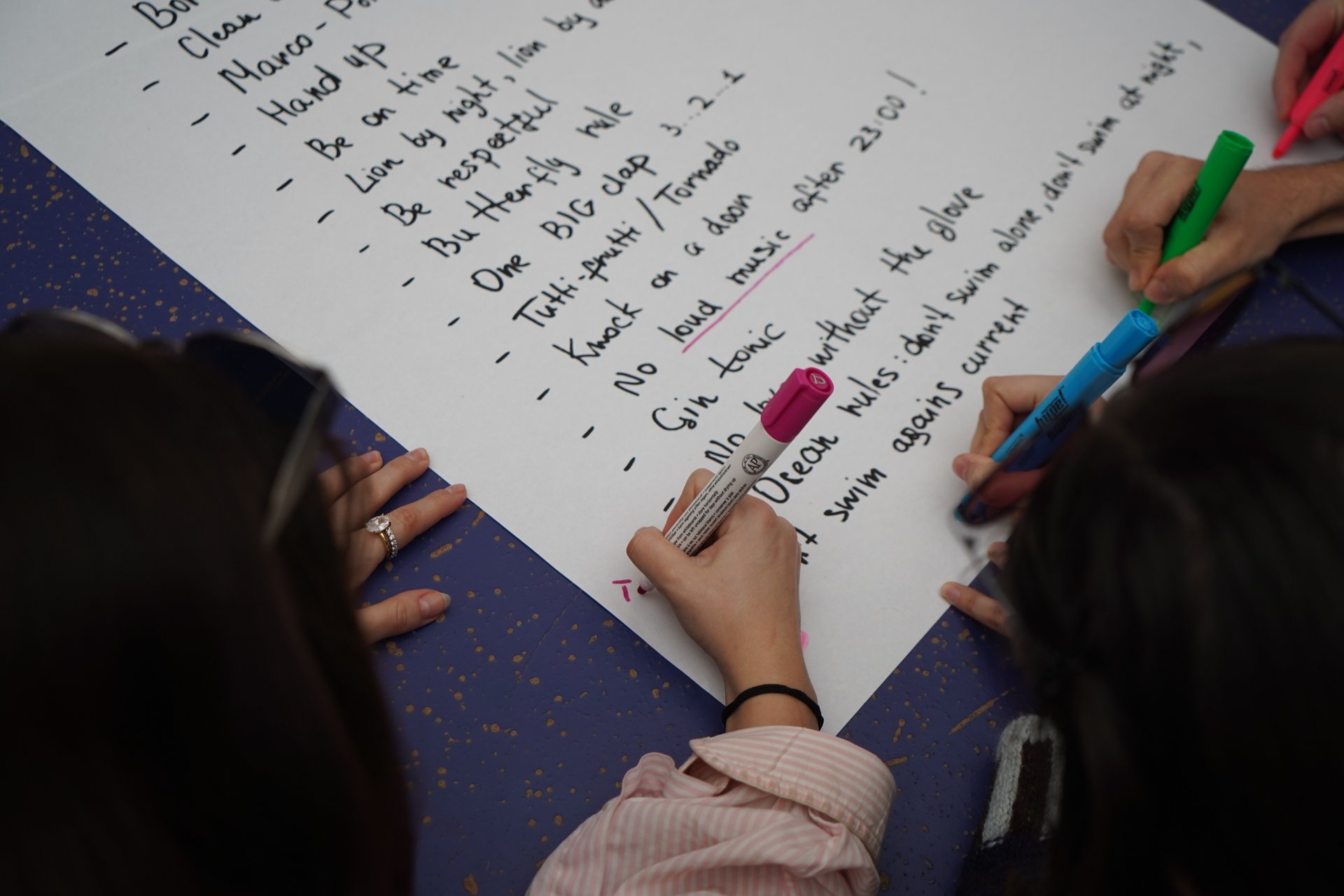
Then came the part our participants appreciated most: building the rules themselves. In the Code of Conduct session the whole group agreed together, by consensus and line by line, on how they wanted to live and work together for the week, from respecting one another to keeping the shared spaces in order, so the ground rules belonged to everyone rather than being handed down. Rotating support roles spread the daily running of the week across the group, so opening the morning or lifting a flagging afternoon belonged to the participants rather than to whoever was leading. Even the dry-sounding parts were made by hand: to get to grips with Youthpass and the 8 Key Competences, teams acted each competence out in short plays instead of sitting through an explanation.
From cameras to brand design
With the group settled, the making began in earnest. The first sessions put cameras in everyone’s hands and showed how framing and light carry a message before a single word is spoken. From there the group moved into design, learning how type, colour and layout shape what a viewer feels, then building a full visual identity, a logo, a palette and a font, for a topic each team chose for itself.
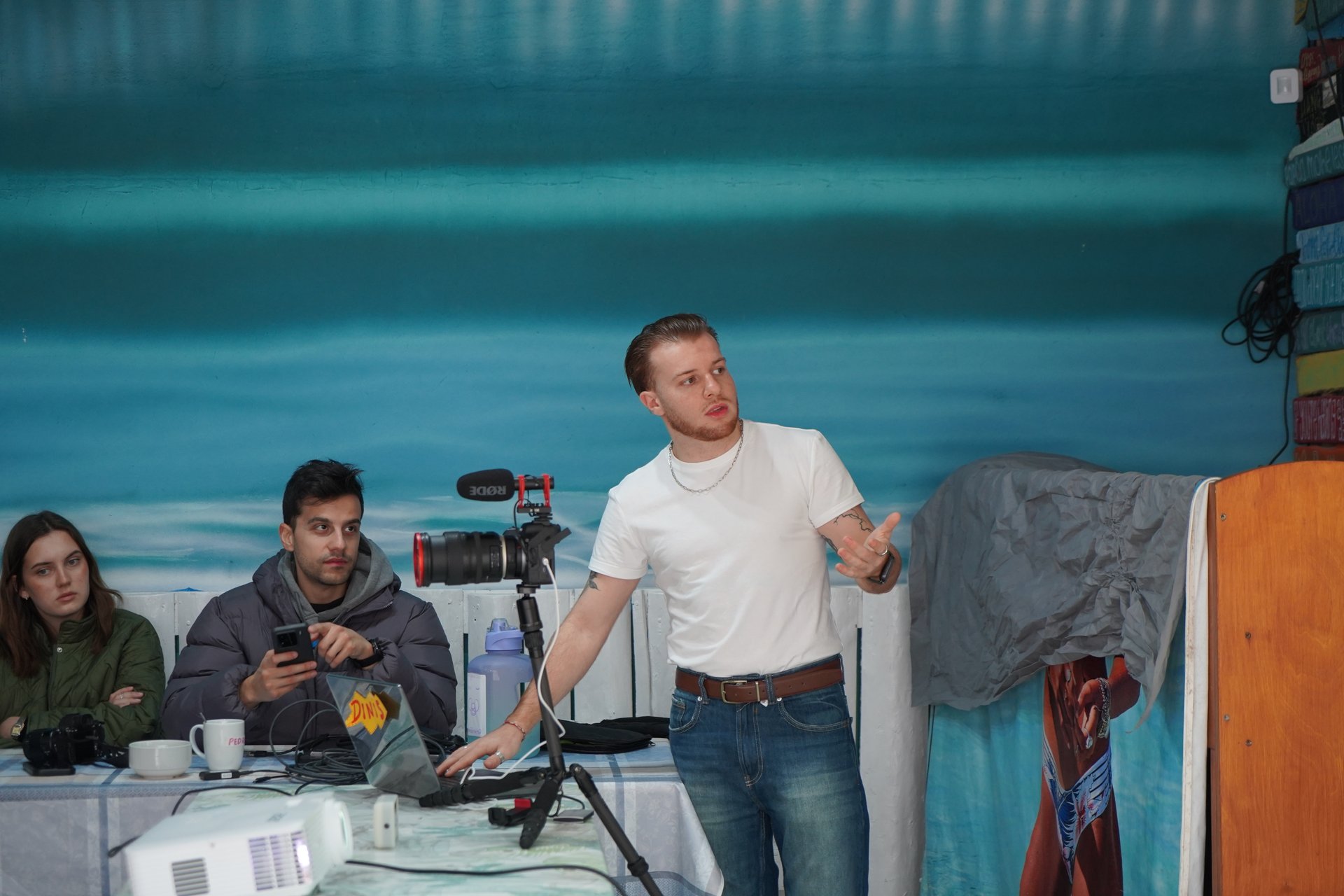
The next day reframed all of it. In Creative Process With AI, the same teams rebuilt their logos using AI tools and set the two versions side by side. The comparison became the lesson: which one had a point of view, which one was merely smooth, and what is gained or lost when a machine does the drawing. Our participants found the questions about originality, bias and ethics stuck with them longer than any single design did. A wordless warm-up, Silent 60, asked teams to tell a whole story about digital life in a sixty-second film without a single word, proof that a clear idea reads even with the sound off.
Bad Habits: a wordless sixty-second look at the loops we fall into on our phones.
Campaigns with something to say
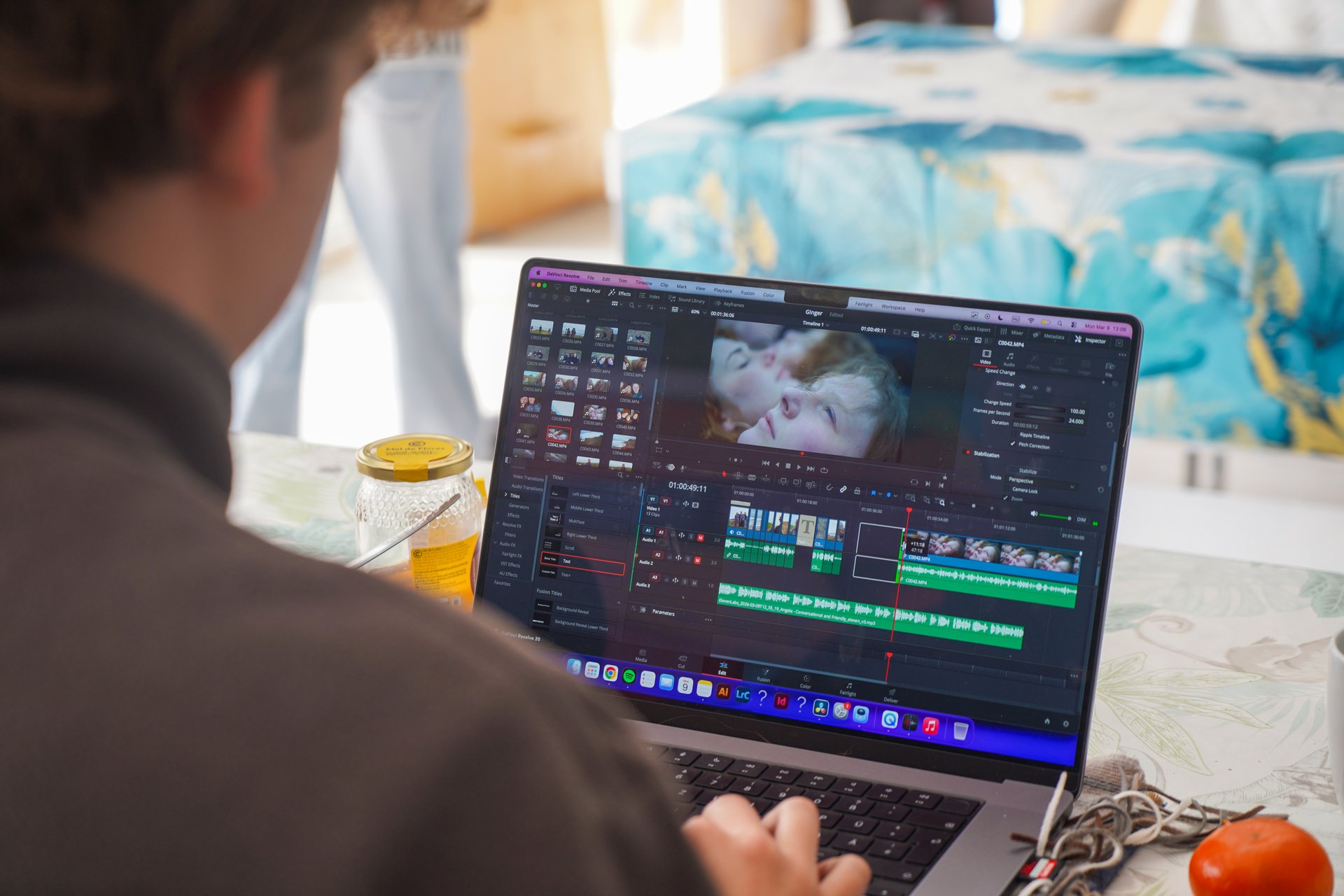
By mid-week the work turned outward. Teams formed around a message they cared about and then spent the back half of the week building a campaign around it: concept, script, shoot, edit, and back again. Each team chose its own format and carried a digital awareness piece from first idea to finished cut, video for most, still images for one.
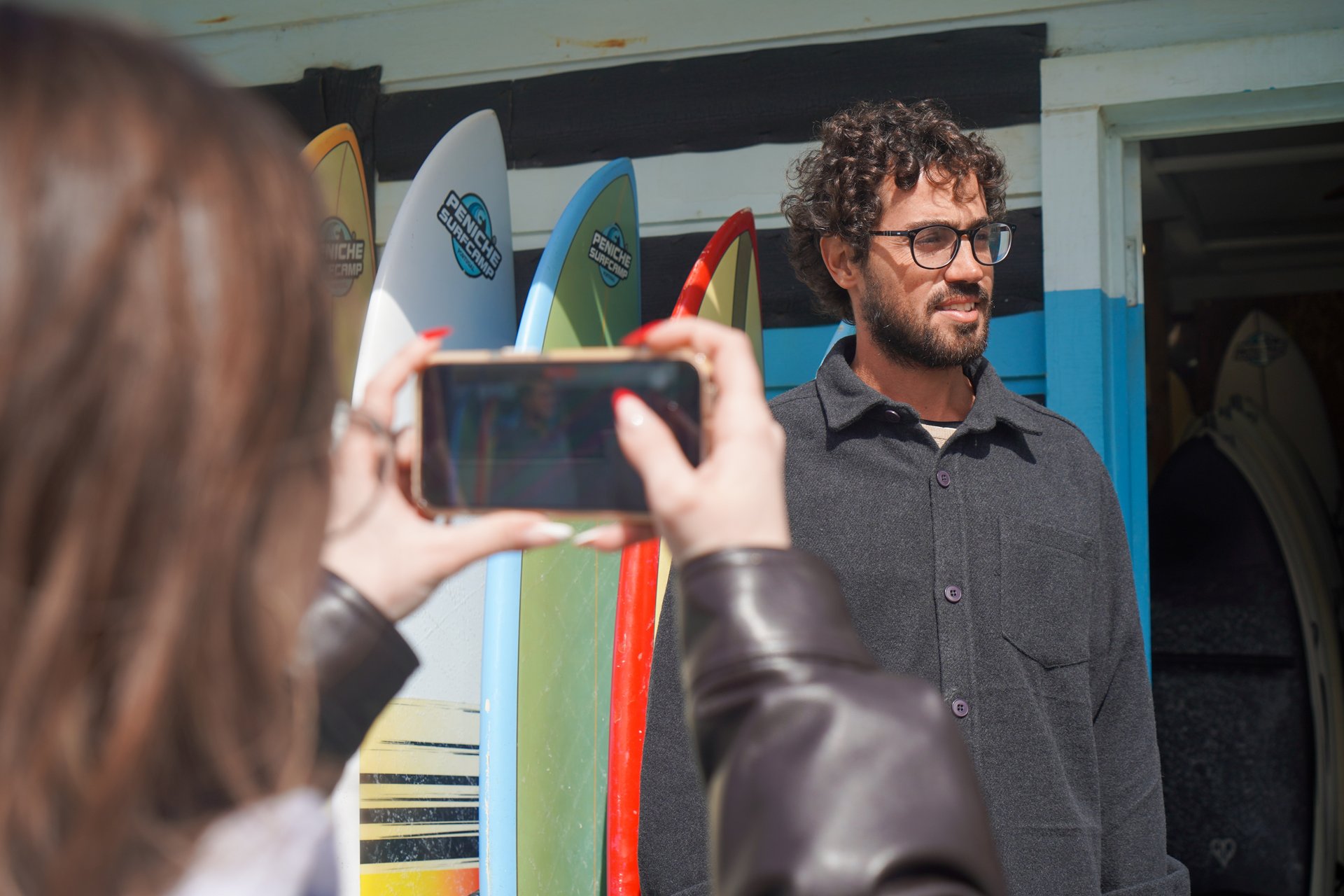
This was rebranding at full scale. The teams took heavy subjects, screen-time, oversharing, online cruelty, the pull of a feed, and remade them into something a young audience would actually stop and watch. One team turned the idea into a quiet letter of advice to a younger self.
Try It: a campaign built as a letter of advice to a younger self.
When the whole group came together to present, the thinking behind every choice came out alongside the work itself. Our participants left understanding that a campaign is not decoration on top of an idea; it is the idea, made legible to someone who was not in the room.
What our participants carried back to Slovakia
The final days drew the threads together. The Secret Friend game had been running quietly since the opening day, each person looking out for someone in particular, leaving small kindnesses, watching without being seen. On the last full day it was finally unmasked: one by one, people guessed who had been quietly taking care of them all week, and the room dissolved into the good kind of chaos, wrong guesses, laughter, a few genuinely surprised faces.
Around the same time came the Youthpass certificates. Rather than handing them out as a formality, the group was given time to sit with them and fill them in, each participant writing in their own words what they had learned and how, turning a printed page into a real record of their own reflections. The Farewell Party that followed closed the week the way it deserved to close, with people who had arrived as strangers from five countries reluctant to say goodbye.
Our participants came back to Slovakia with more than a folder of files. They came back able to frame a shot, build a brand, question an AI tool instead of trusting it blindly, and turn a vague worry about digital life into a campaign someone will stop and watch. The same small move they practised on day one, take the familiar and remake it, is one they can now apply to anything, starting with the phone in their hand.
Photo Gallery
A few more moments from this activity :)
Check these and more photos in the activity’s photo album.