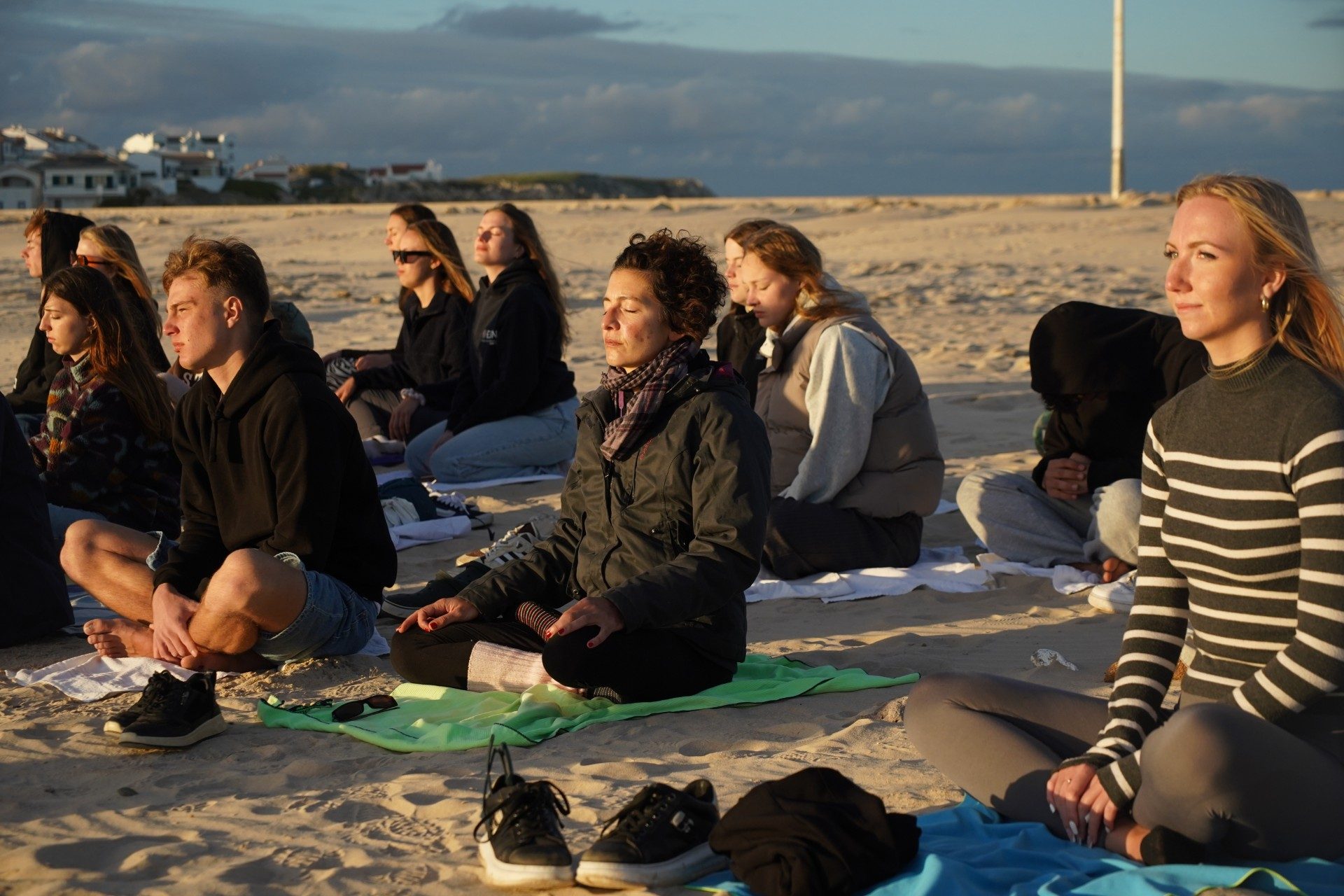
A finished event looks effortless. A karaoke night where locals and visitors take turns at the microphone, a beach left cleaner than it was found, a yoga session on the sand at golden hour. What none of that shows is the list. The booking. The argument about who handles materials and who keeps the whole thing accessible to people who might otherwise stay home.
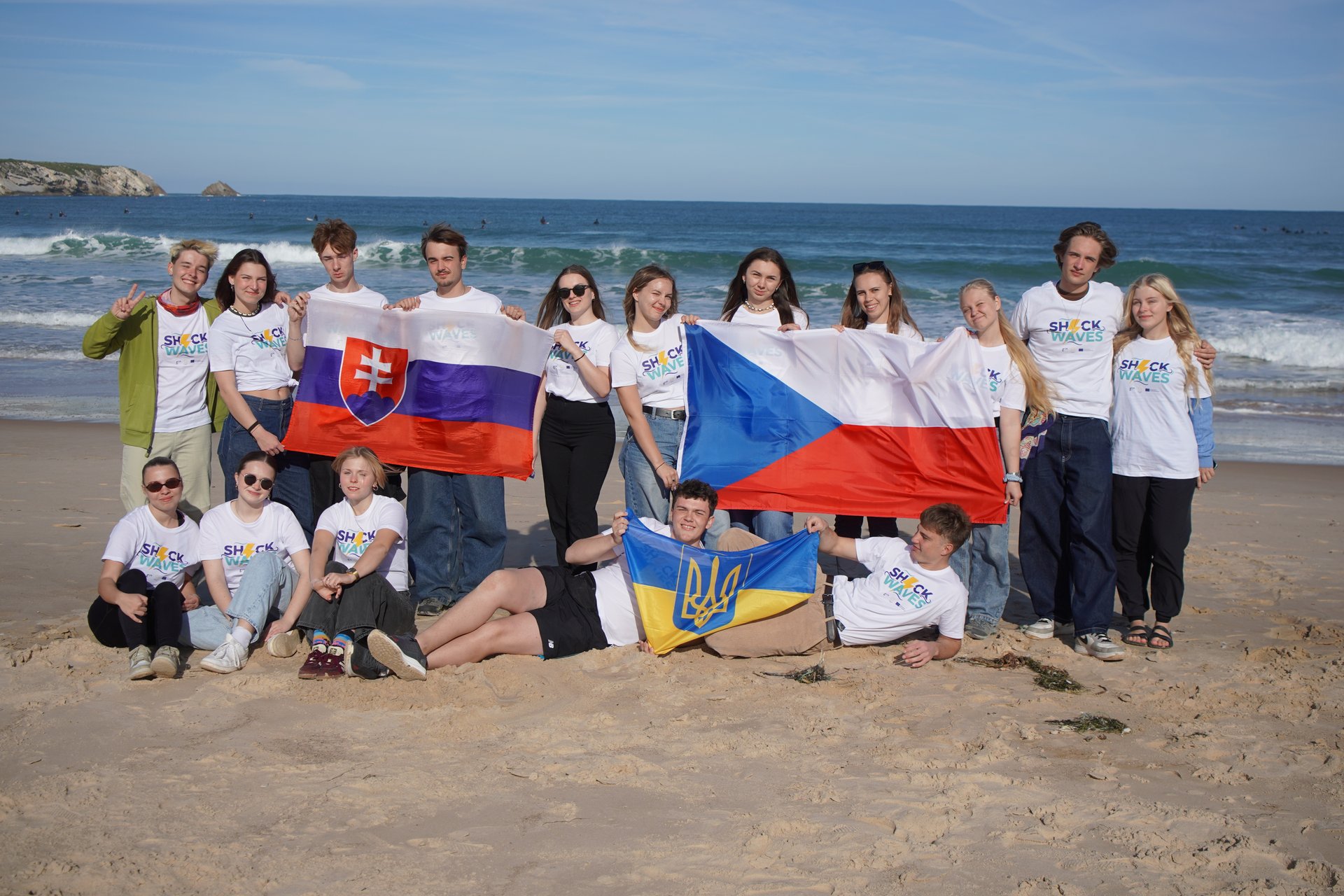
That backstage work was the real subject of Shock Waves, the youth exchange our participants joined in Peniche, Portugal, alongside groups from Czechia, Hungary, Romania, and the host Portuguese team. Five countries, one week, and a deceptively simple challenge: take what you notice about a community and turn it into something the community can actually use.
Finding a role, then finding the work
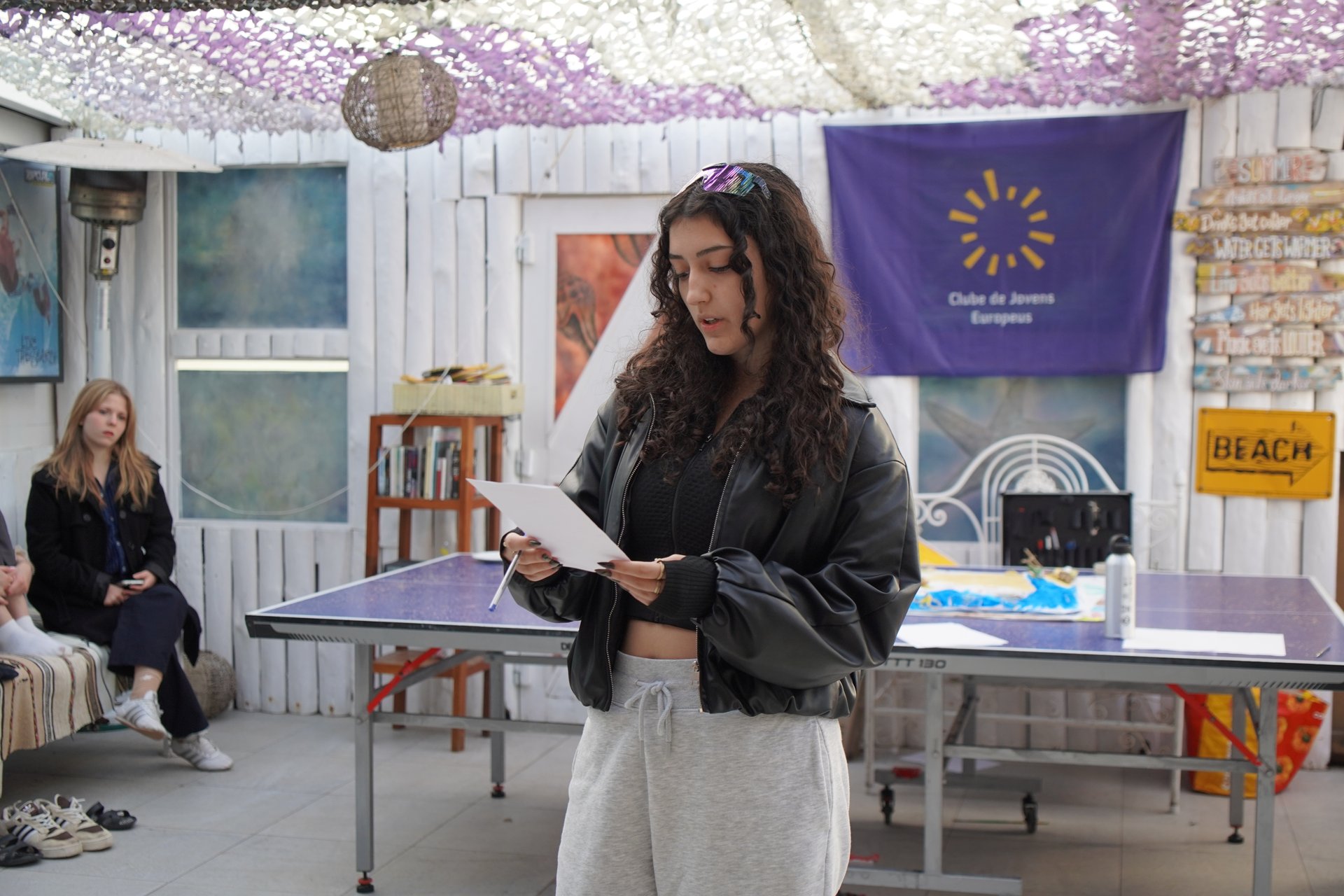
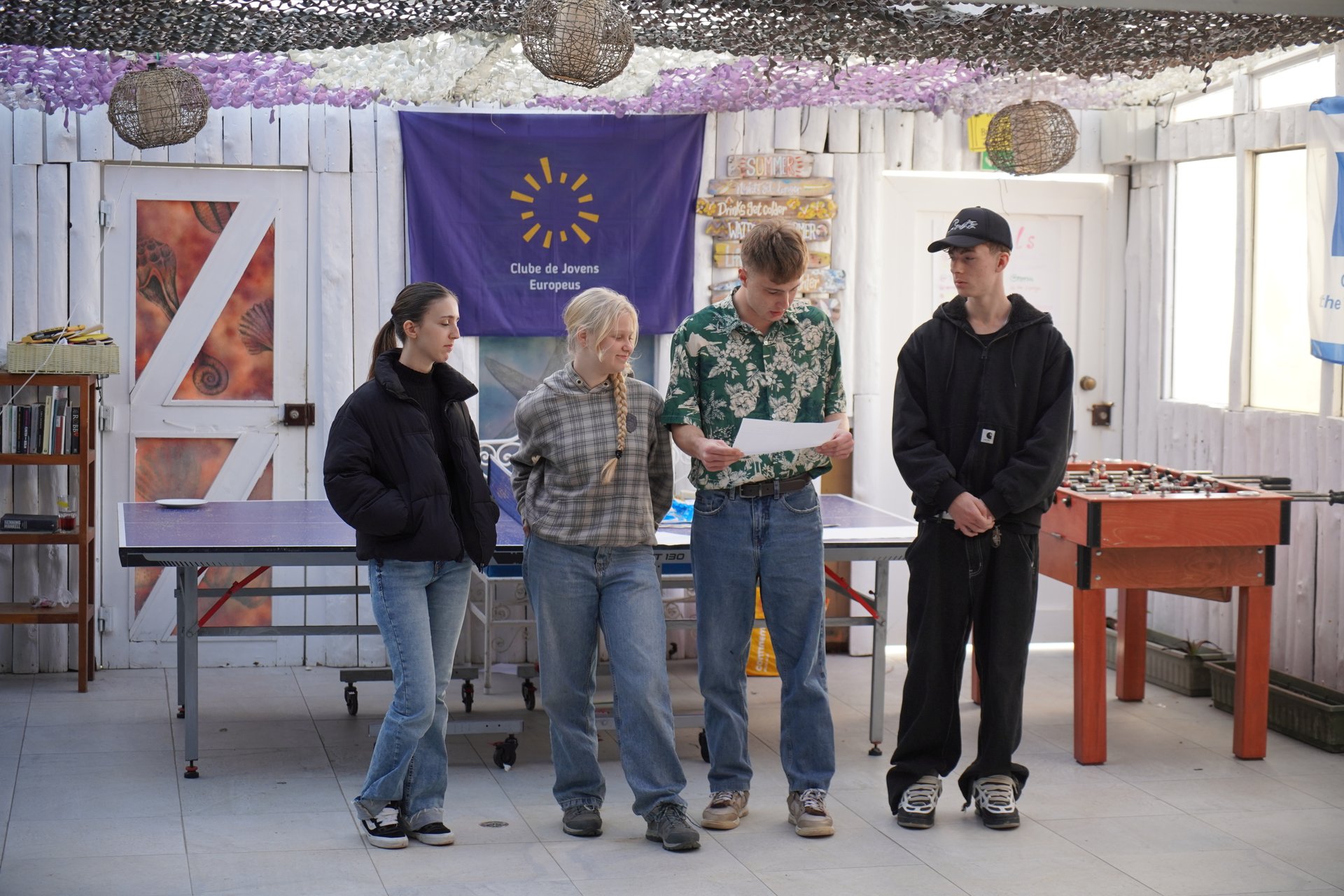
Before any event existed, the group sorted itself out. National teams rotated through the jobs that keep a week like this moving: a recall team to reopen each morning by revisiting the day before, an energizers team to break the mid-afternoon slump, a cleanup team to keep the shared space usable. It was small, practical, and it set the tone. Nobody was a spectator.
From there the group read the town. They interviewed Peniche residents on camera, watched documentaries about local life off-season, and sat with the gaps they found: who gets left out, what the place is missing, where a young person with energy could actually help.
One of the short films the group made from their interviews with Peniche locals.
The unglamorous middle
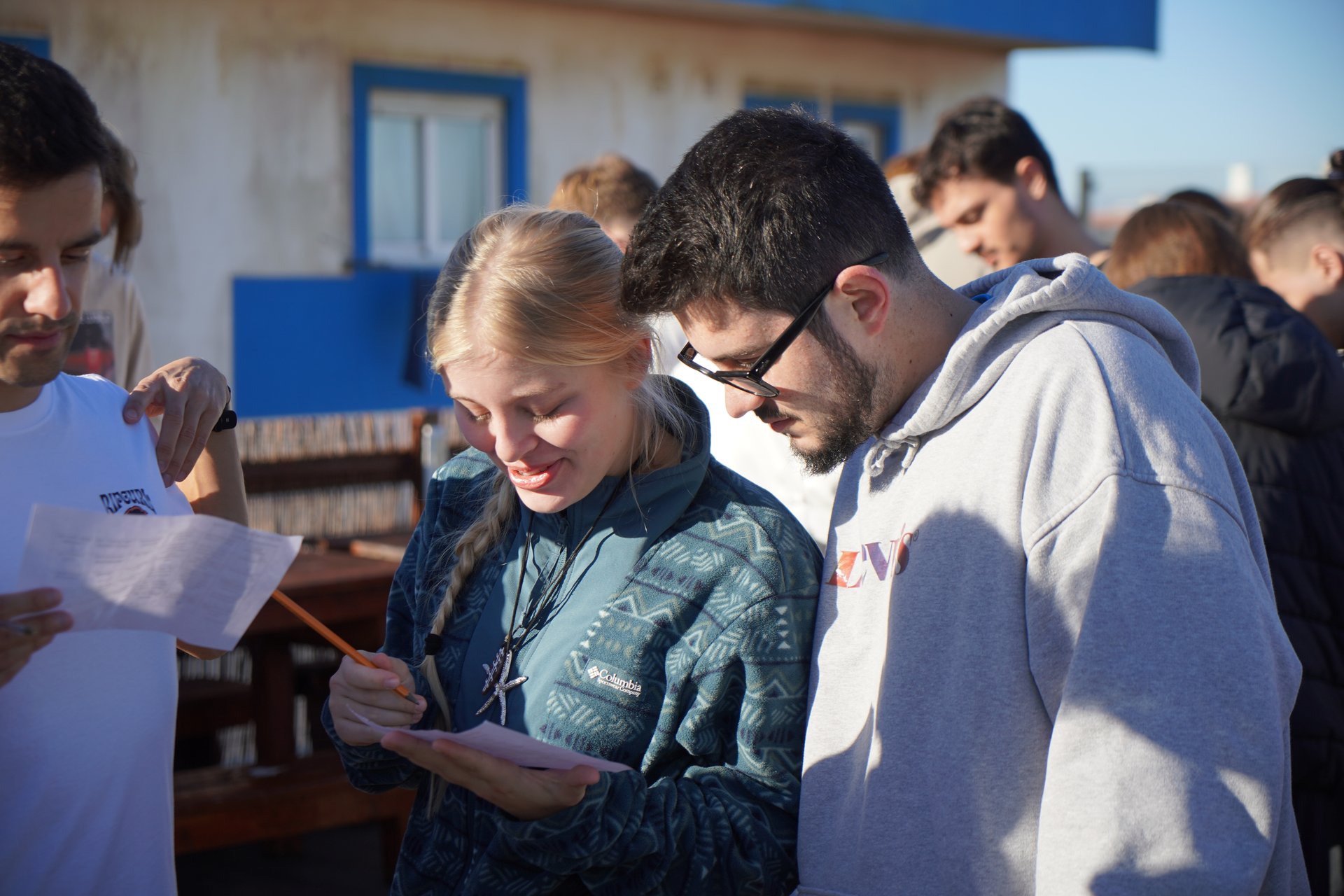
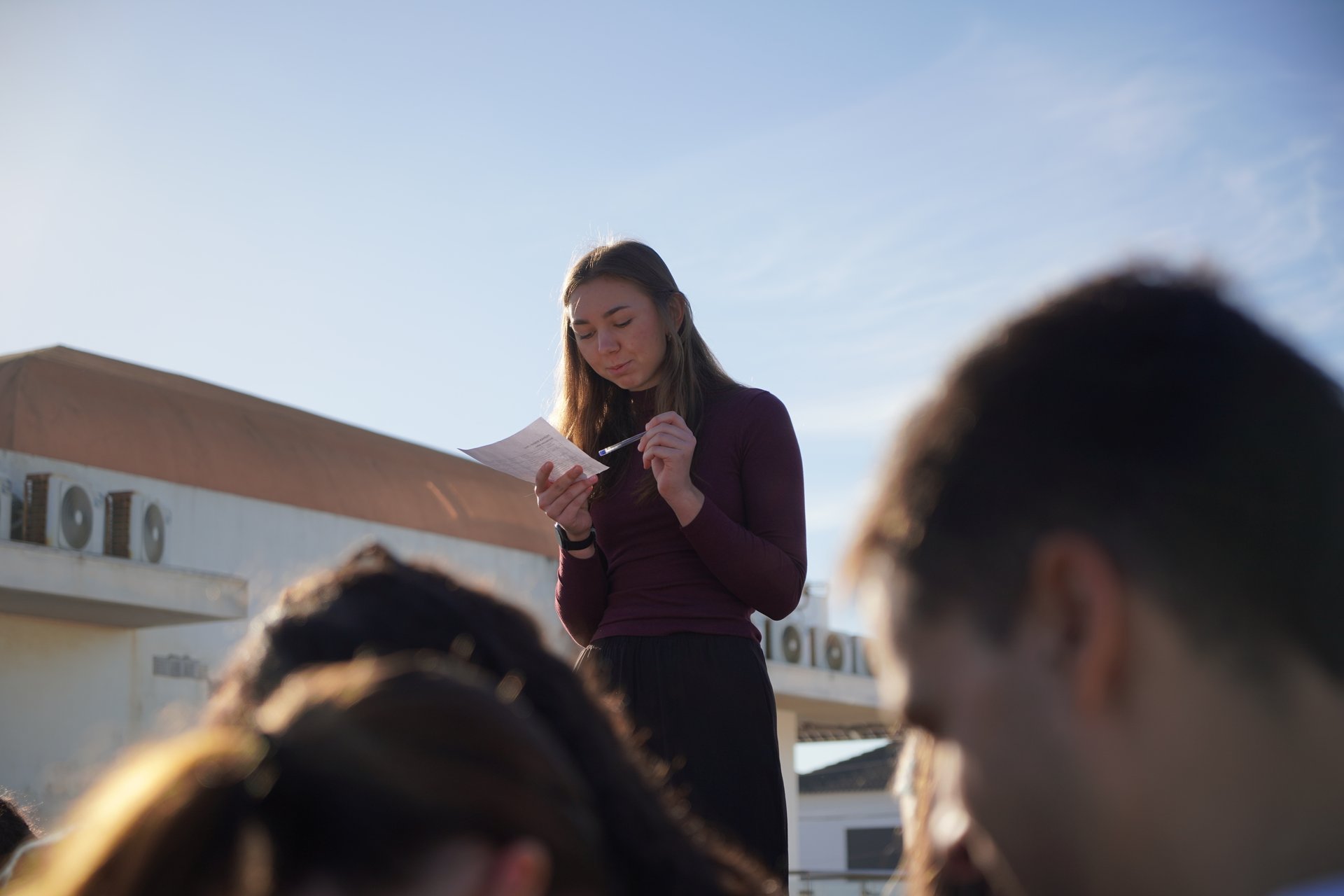
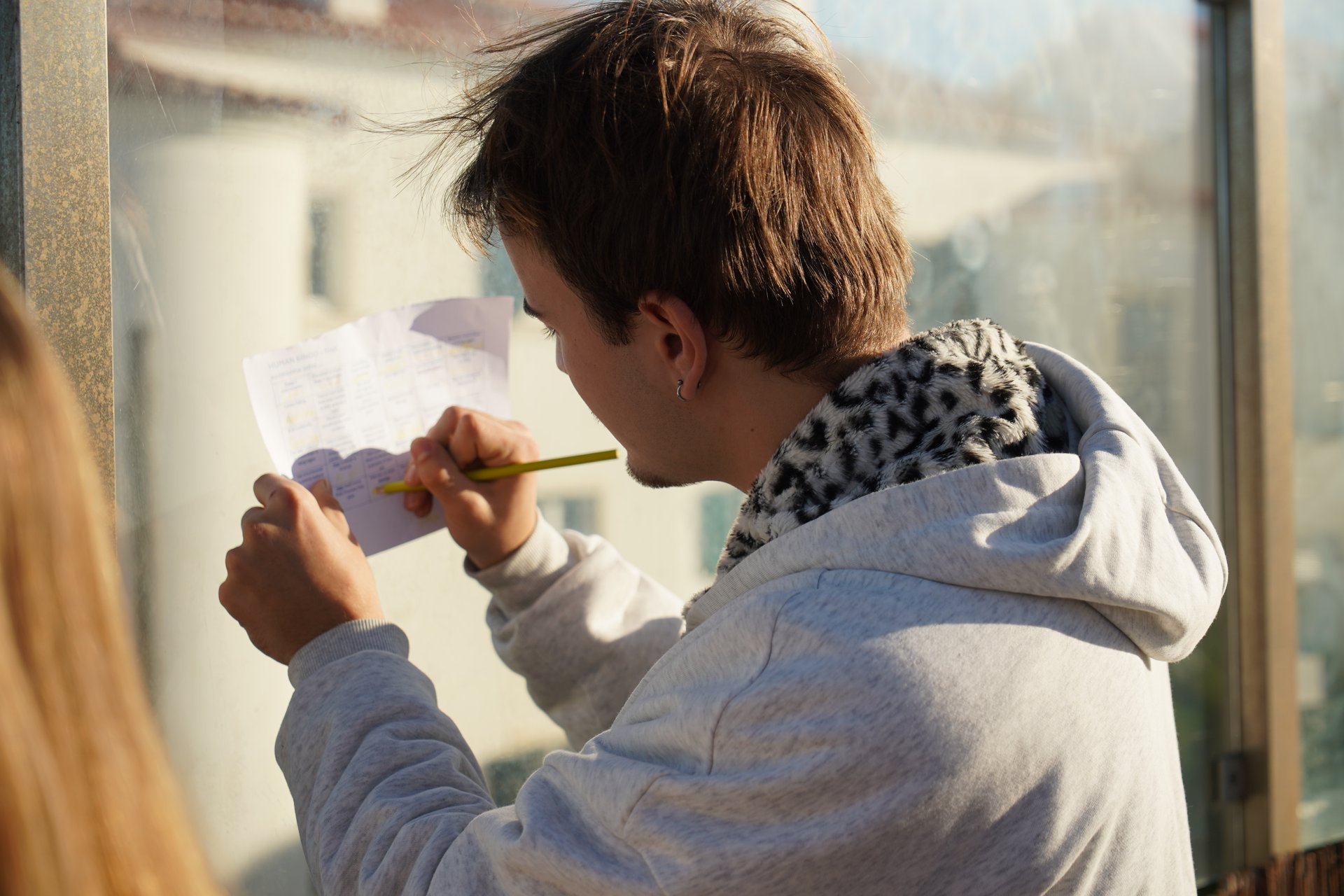
This is the part most write-ups skip, and it was the part that mattered most. After ideas were pitched and voted on, teams pulled each one apart with a SWOT analysis, naming the weaknesses and risks before they became problems on the day. Then came the Task List Hunt: identify the ten real tasks behind an event, including at least two about accessibility, cut them into slips, and put them in the right order. Several of those slips were hidden around the accommodation, so retrieving them turned into a lesson in team communication, the kind where you find out fast what happens when two people assume the other booked the venue.
With the plan in hand, the group built it out: assigning duties, scouting venues, checking whether a space worked for someone with reduced mobility, and making the promotional materials. Then they took those materials into town, stood on real street corners with posters and QR codes, and invited residents face to face.
The night it all paid off
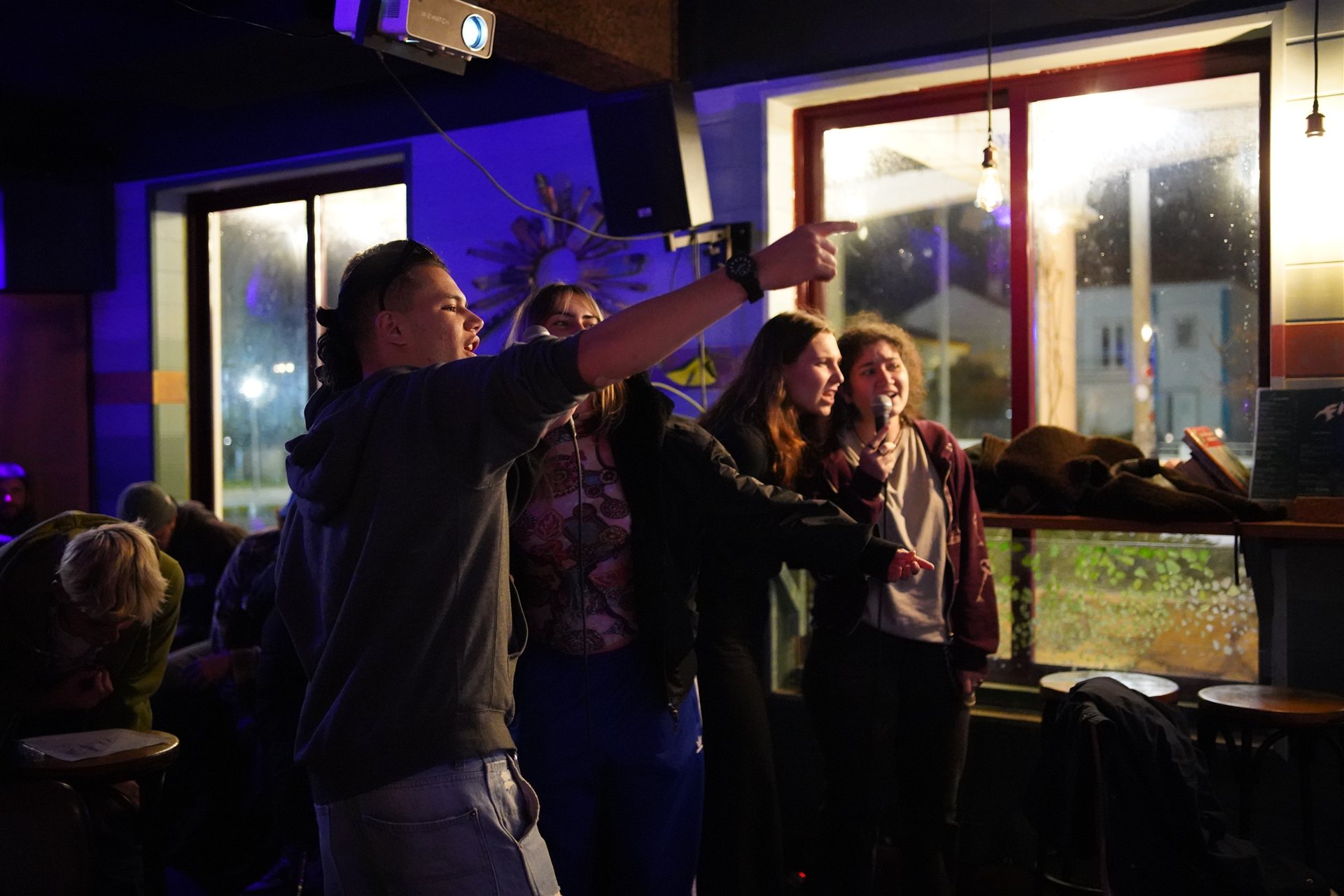
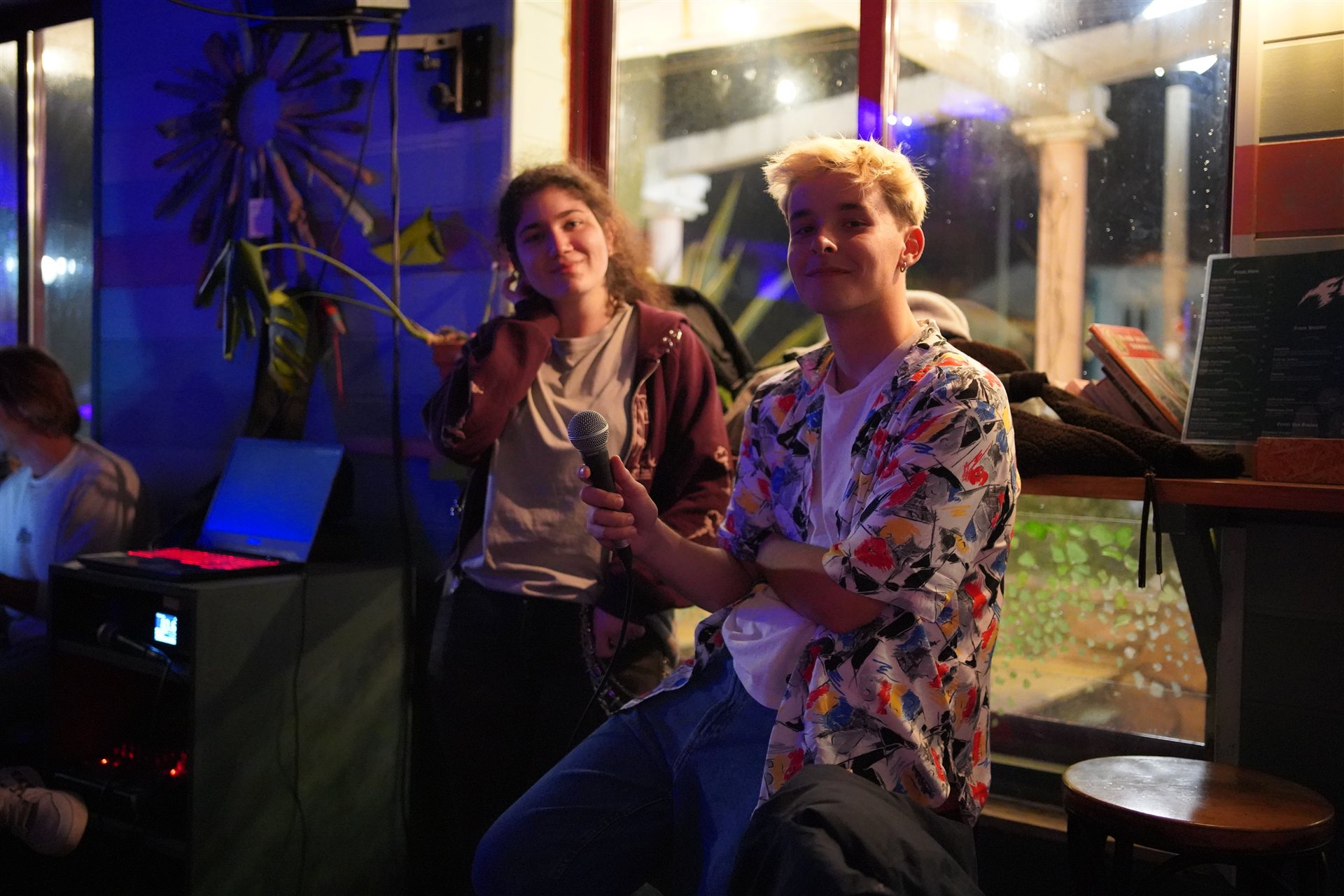
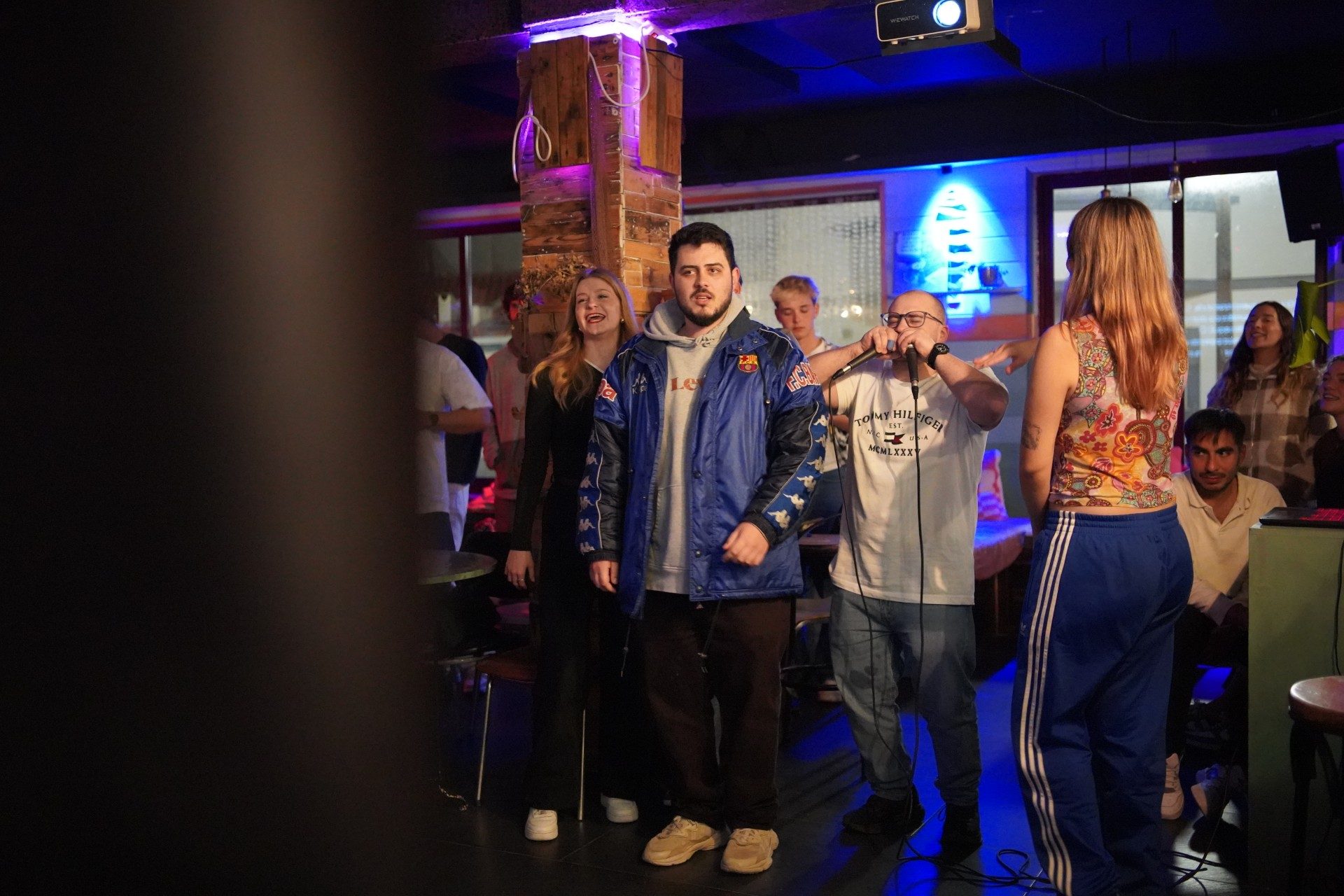
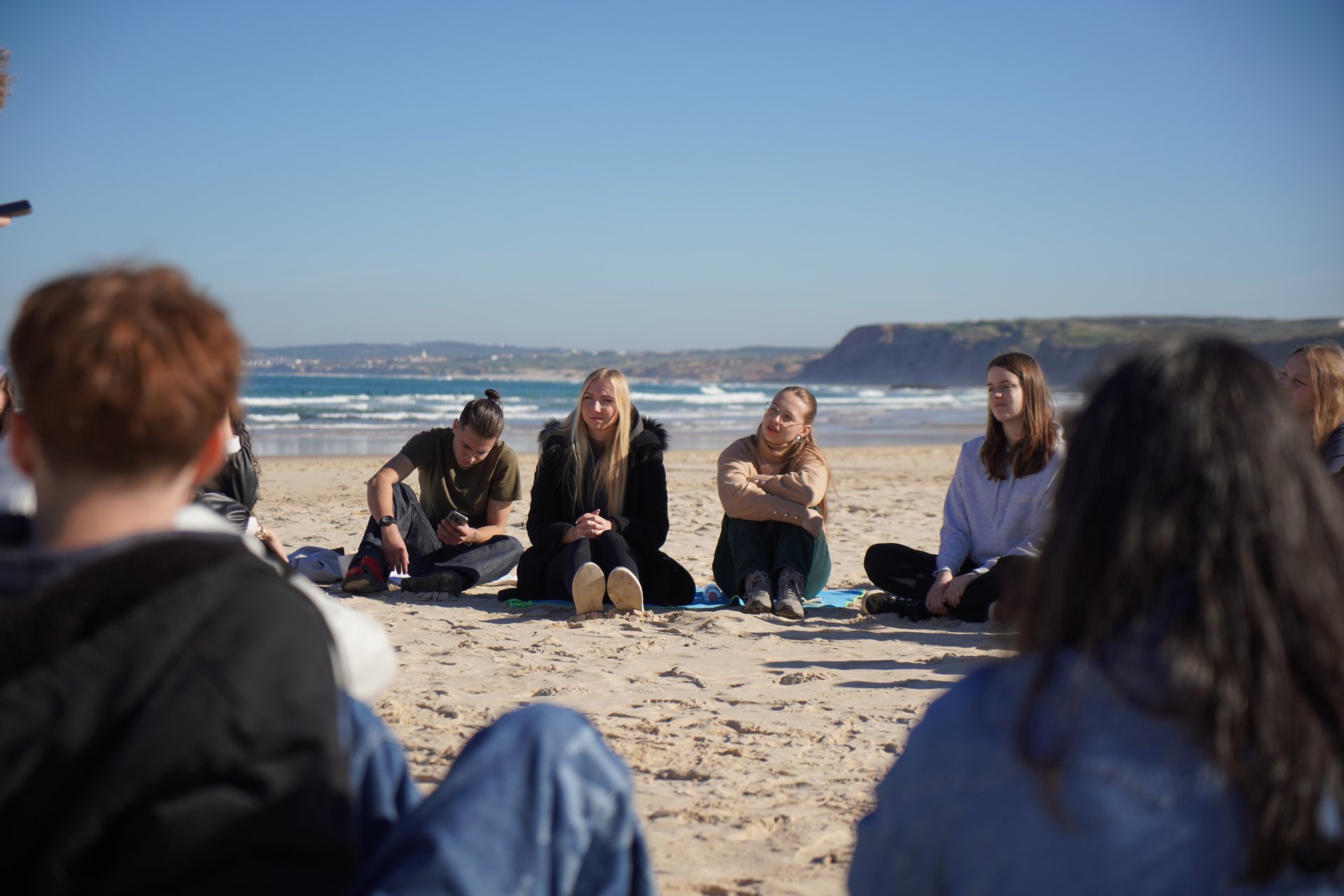
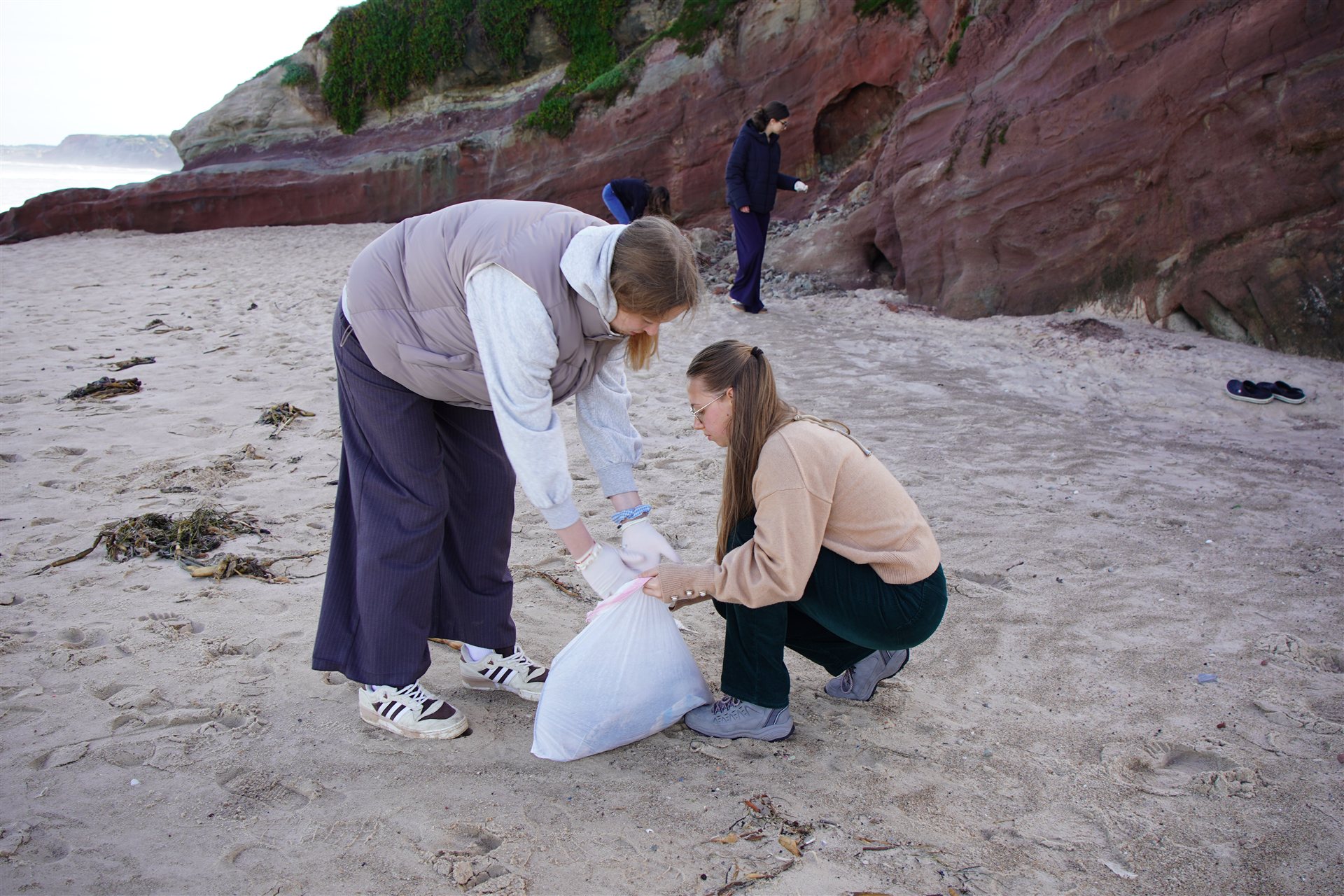
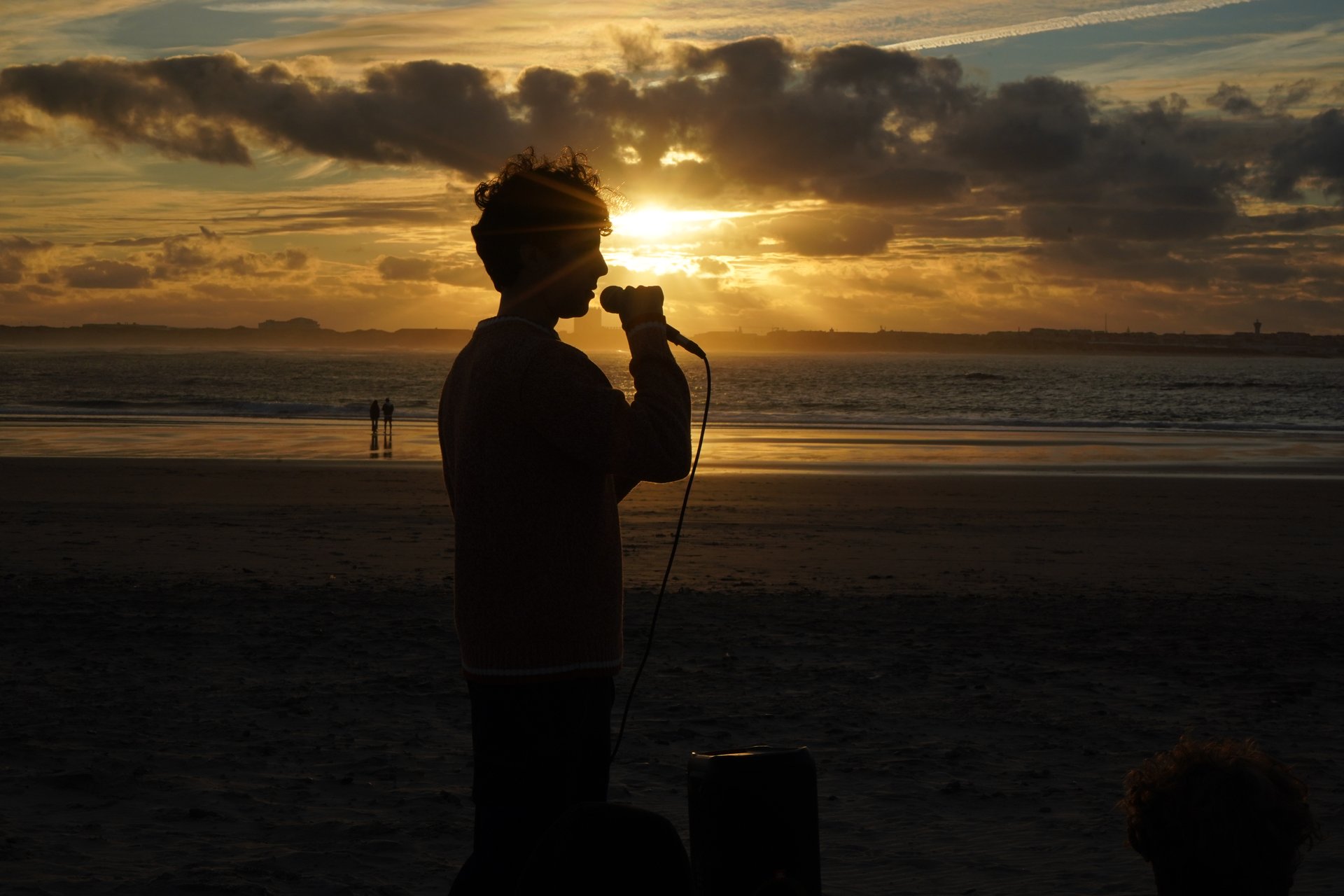
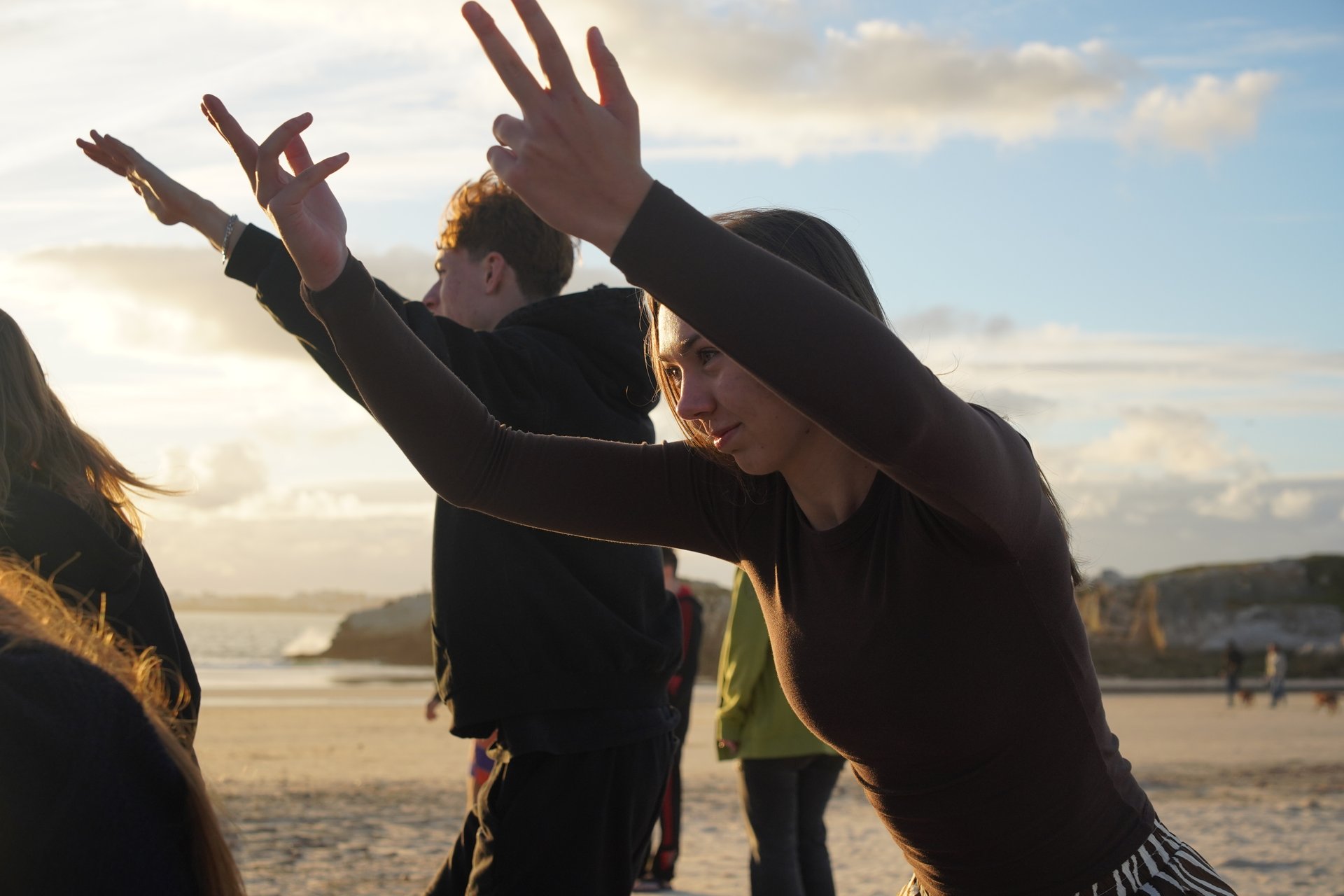
The three events landed across the closing days. The beach clean-up turned a stretch of coast over to a group who divided it up and worked through it. The yoga session drew locals onto the sand. And the karaoke night, held on the final evening because that was when the venue was free, ran on a voting system the participants built themselves, with Peniche residents singing right alongside the group.
A short recap of the yoga and meditation session the group hosted on the beach.
What made the karaoke work was not the singing. It was the week of lists behind it: the venue secured, the staff coordinated, the space made welcoming. The group cleaned up afterwards and took feedback on how it had gone. They had learned the whole arc of an event by running one end to end.
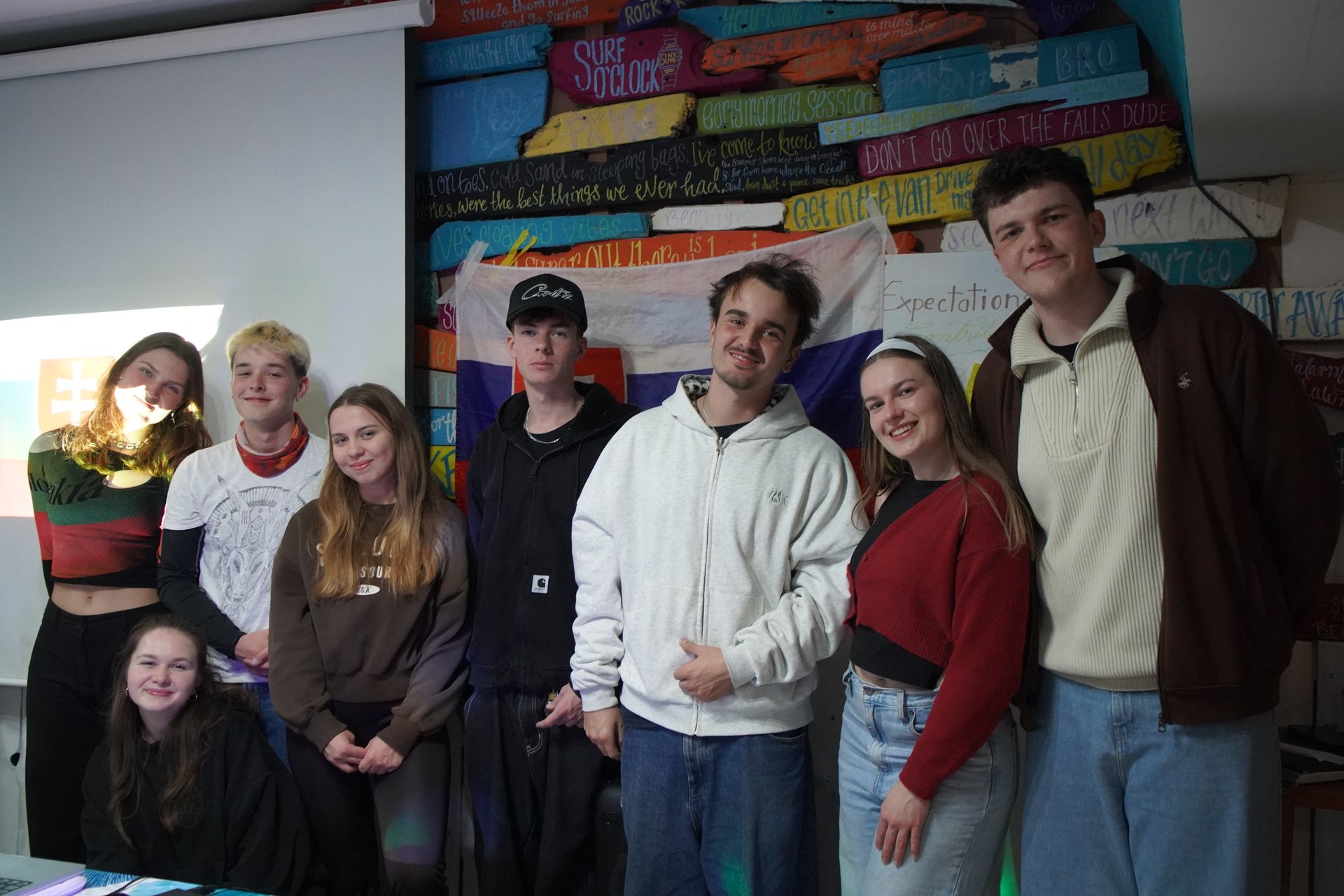
A Slovak night for five countries
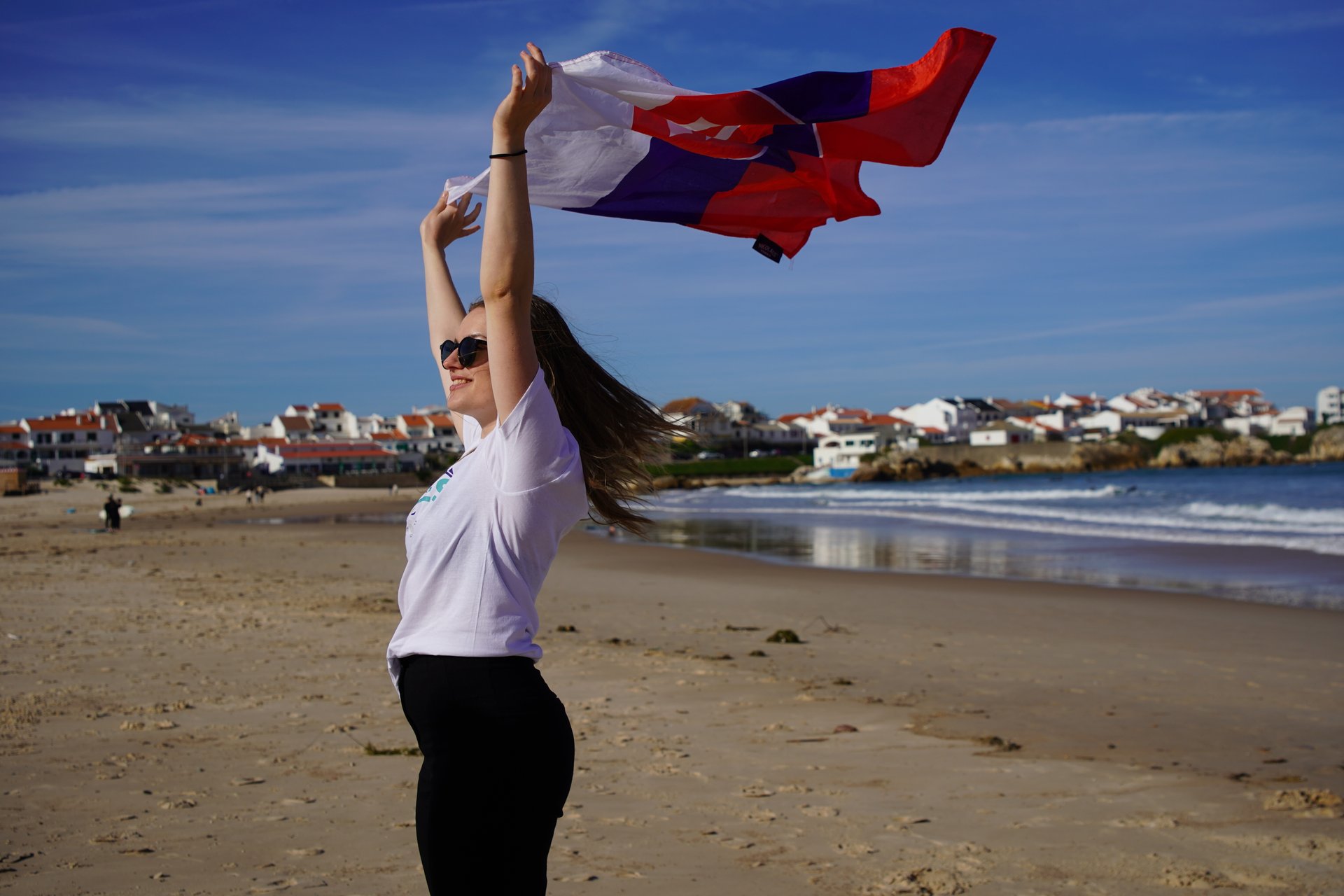
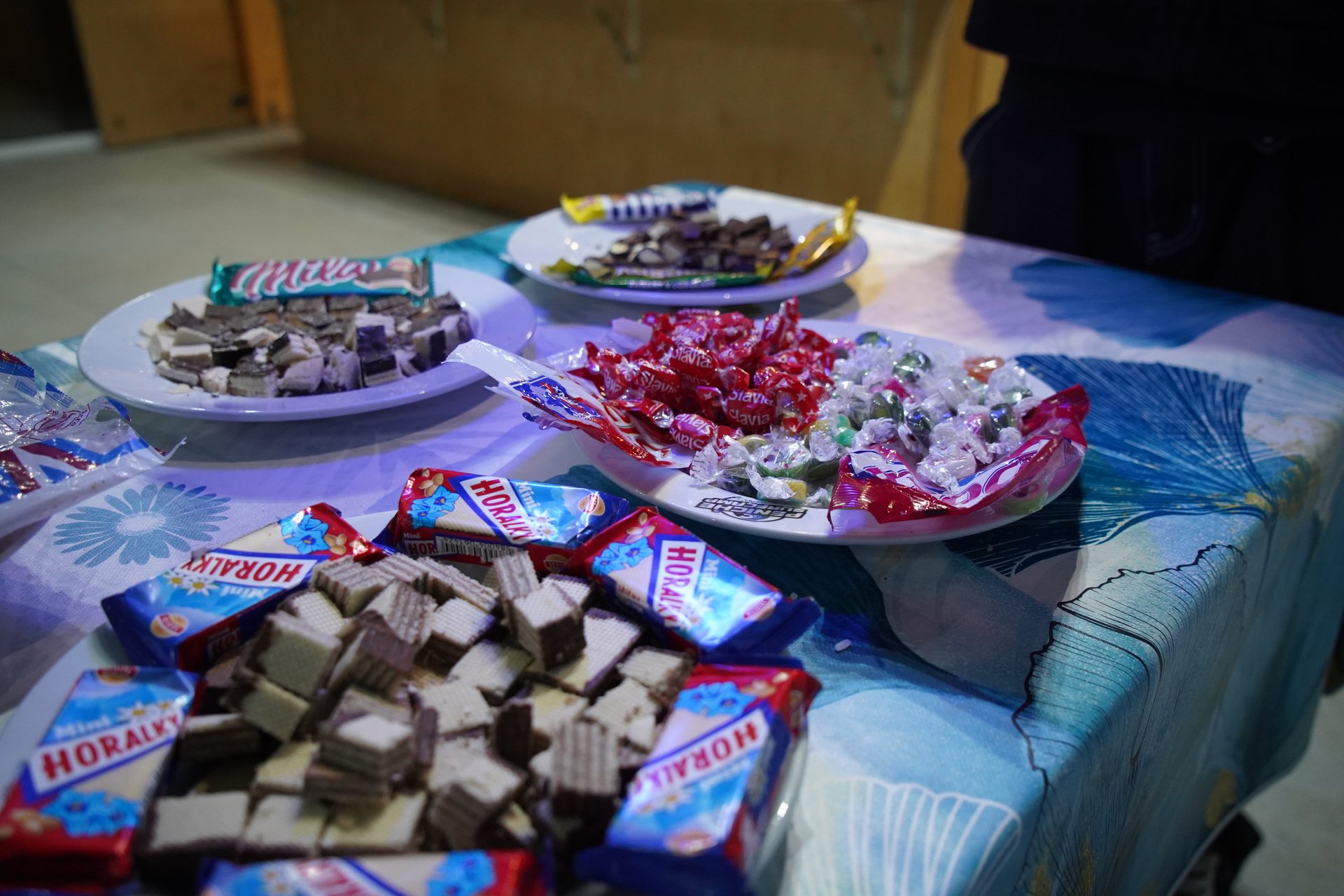
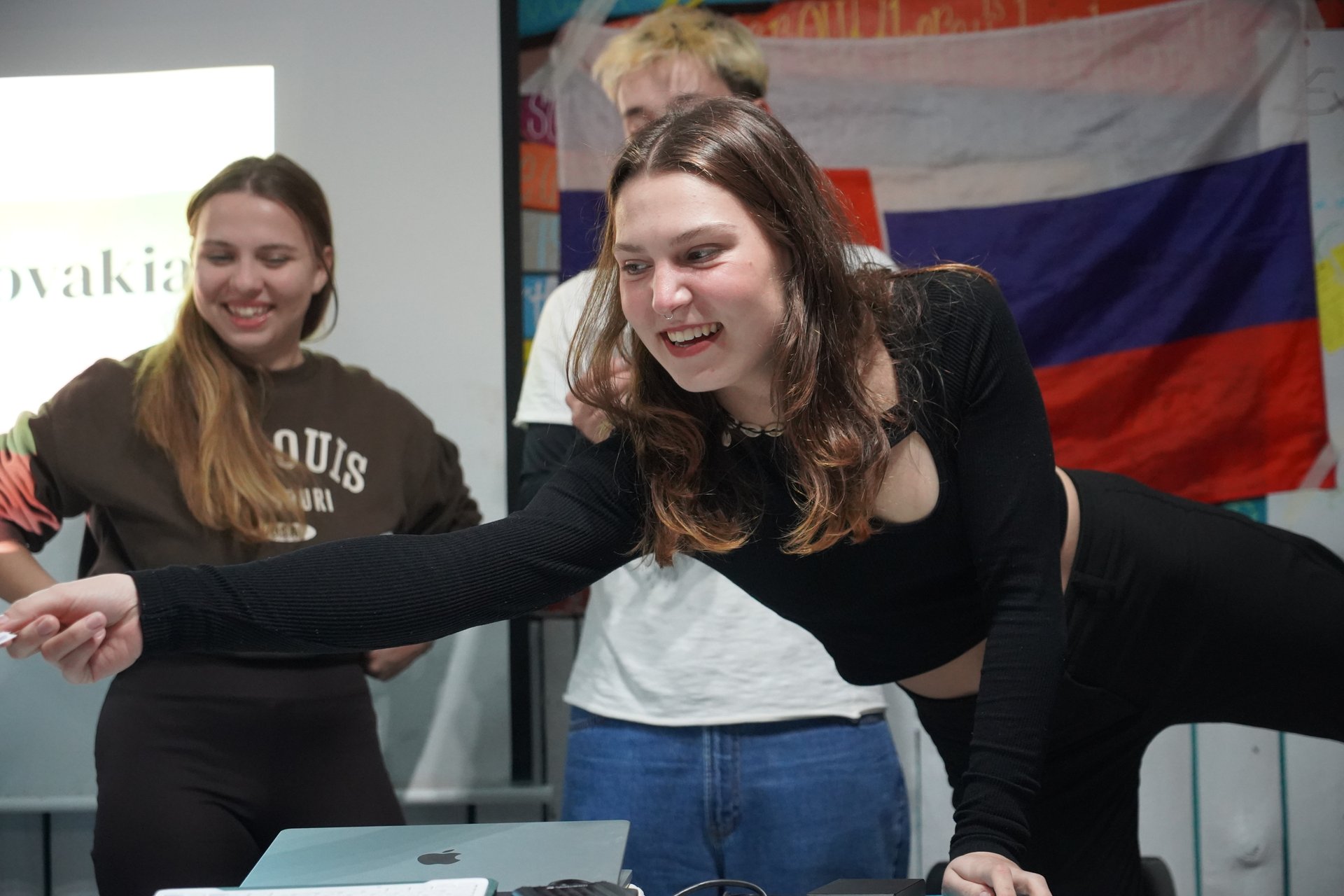
On the evening our group hosted, the table did the introductions. Stacks of Horalky, the hazelnut wafer bars half of Slovakia grew up on, sat beside plates of chocolate-covered treats, while two of our participants walked the room through a short presentation on Slovakia with the flag pinned up behind them. It was the easiest kind of sharing: hand someone a Horalka, tell them where it comes from, and a border stops mattering for a while.
What our participants brought home
This week was made possible as part of CJE’s Accreditation. Our participants came back from Peniche able to do something concrete that they could not do before: take a vague good intention and turn it into a planned, promoted, accessible event that real people show up to.
That skill does not stay in Portugal. It travels home with them, into the schools, dormitories, and student groups where they have since been telling others how a youth exchange actually works, and showing, by example, that organising for your own community is closer than it looks.
Photo Gallery
A few more moments from this activity :)
Check these and more photos in the activity’s photo album.