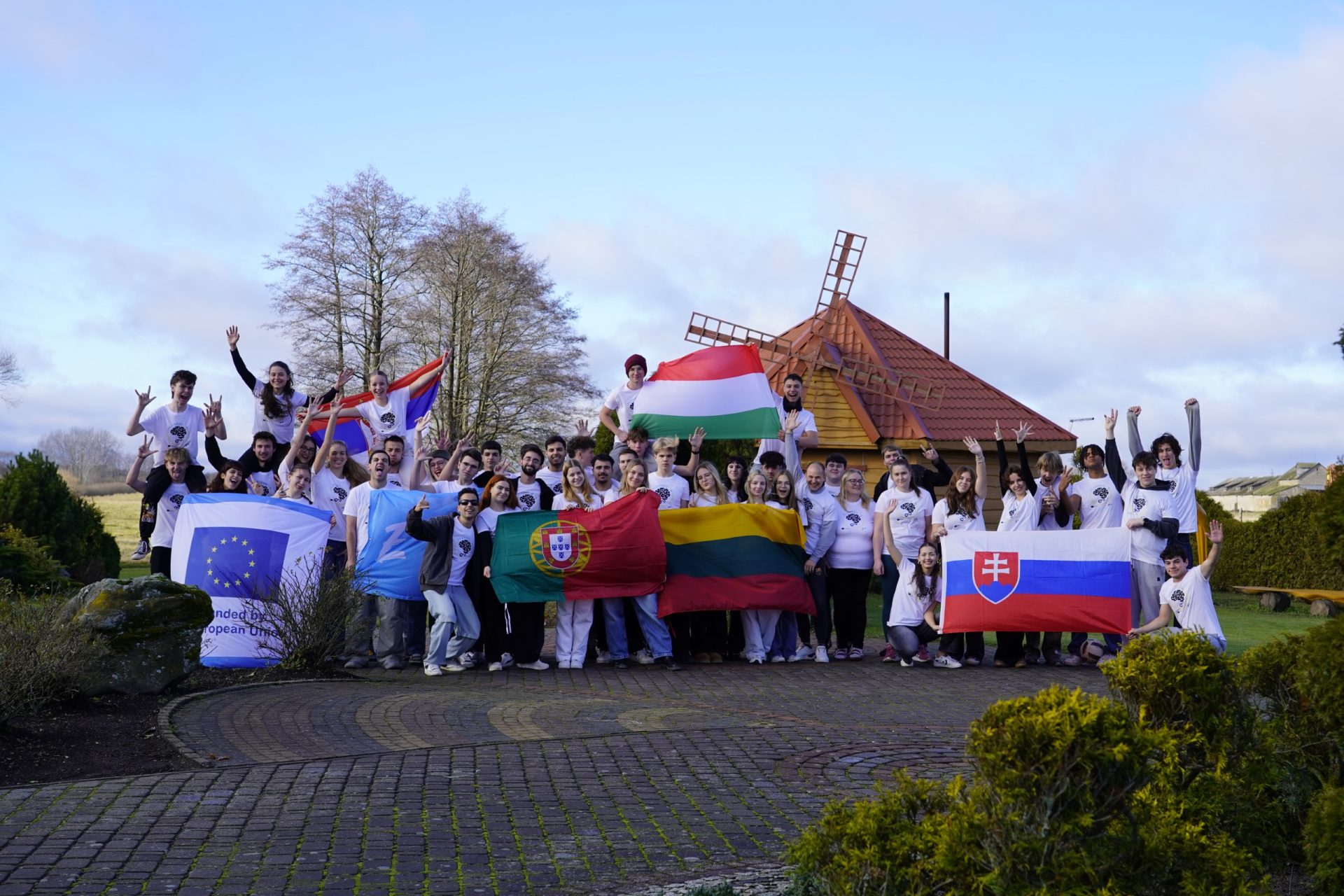
We sent a group of young people to Bartninkai this November, a village in southern Lithuania chosen precisely because there is little there to distract from the work. Waiting for them were participants from six countries and a week shaped around one idea: that artificial intelligence is something to use on purpose, not by accident. Our team went as one of the sending groups and came back having helped build that idea with everyone else.
This was part of AKKK’s Erasmus+ Accreditation, co-funded by the European Union.
The Road to Bartninkai
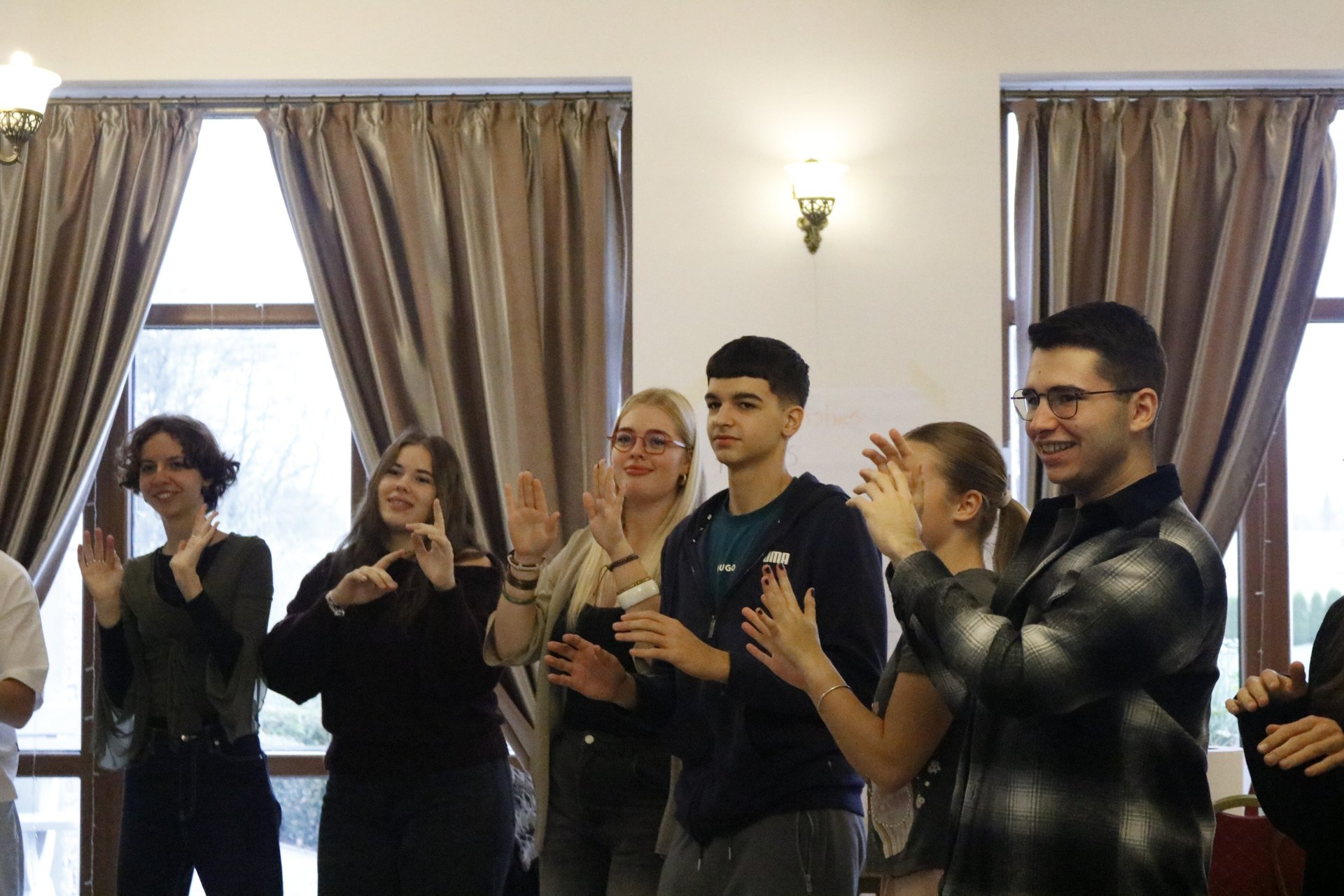
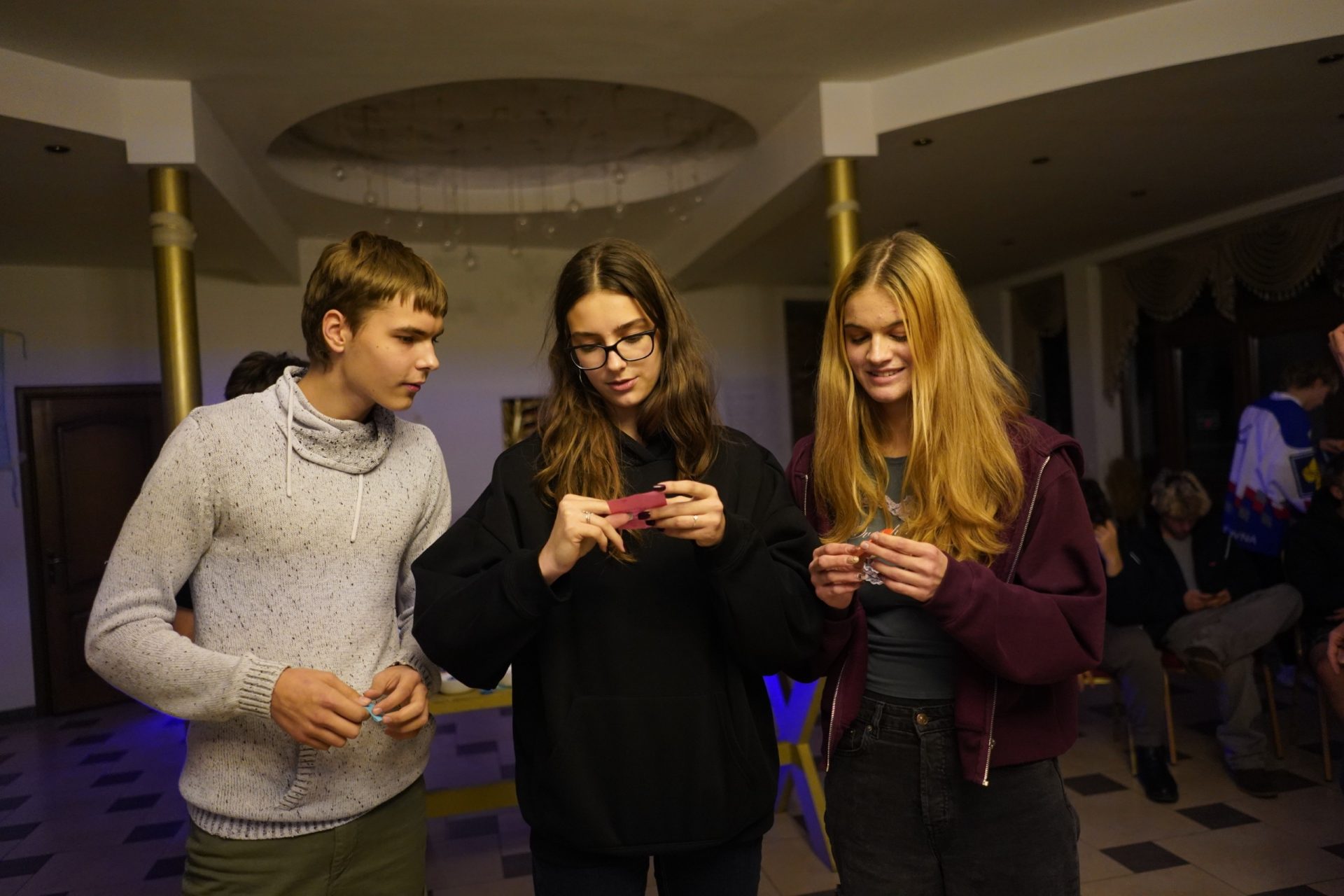
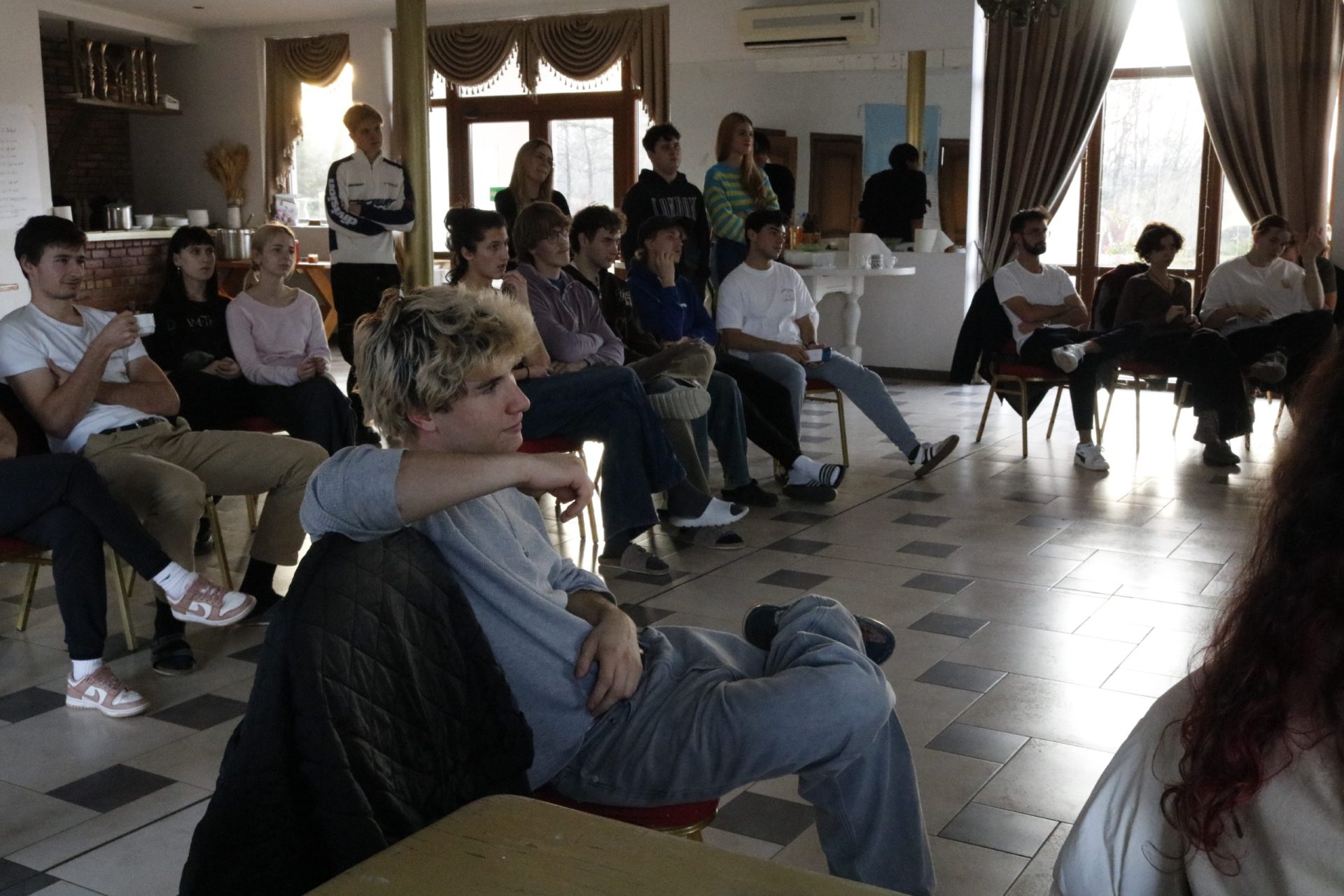
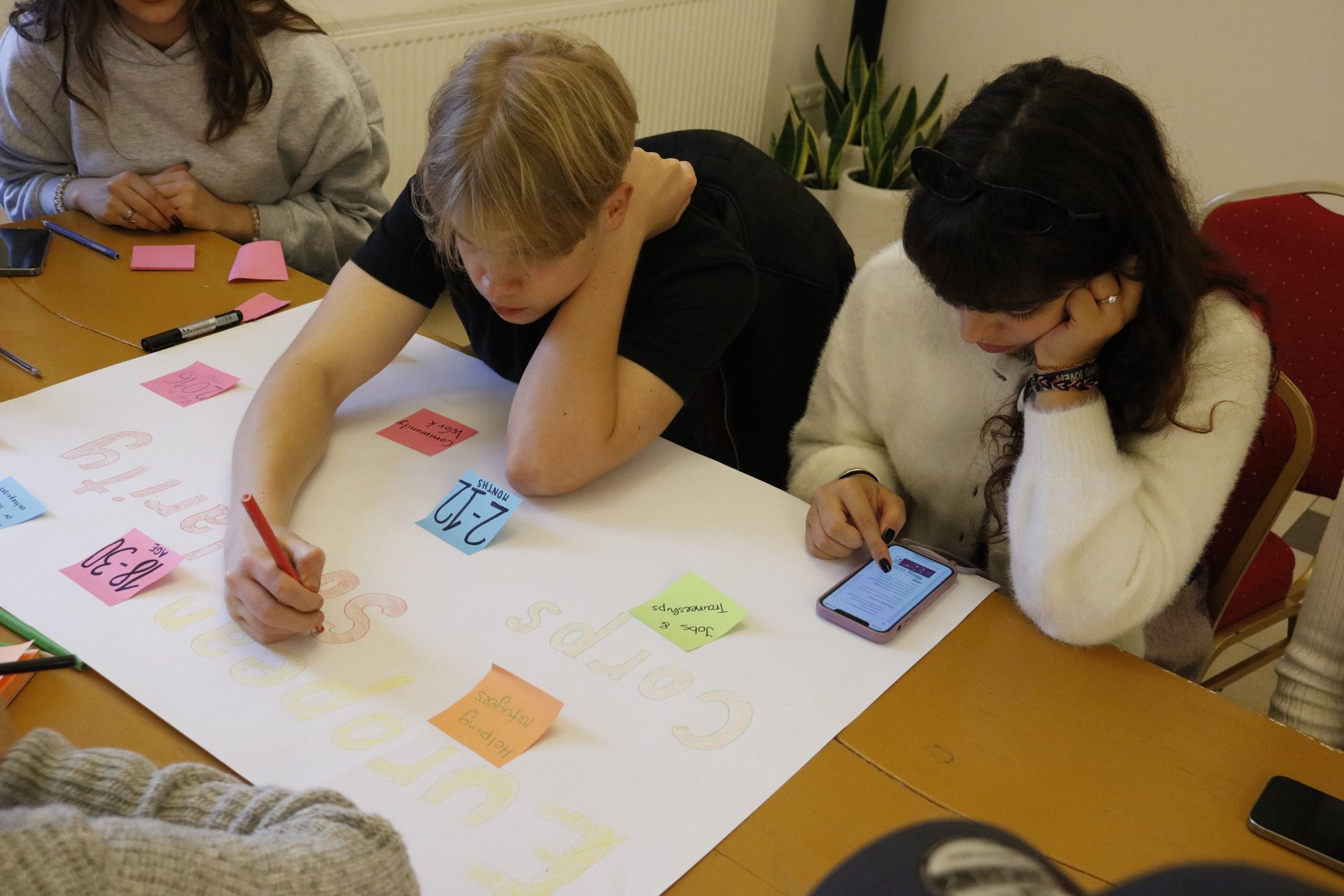
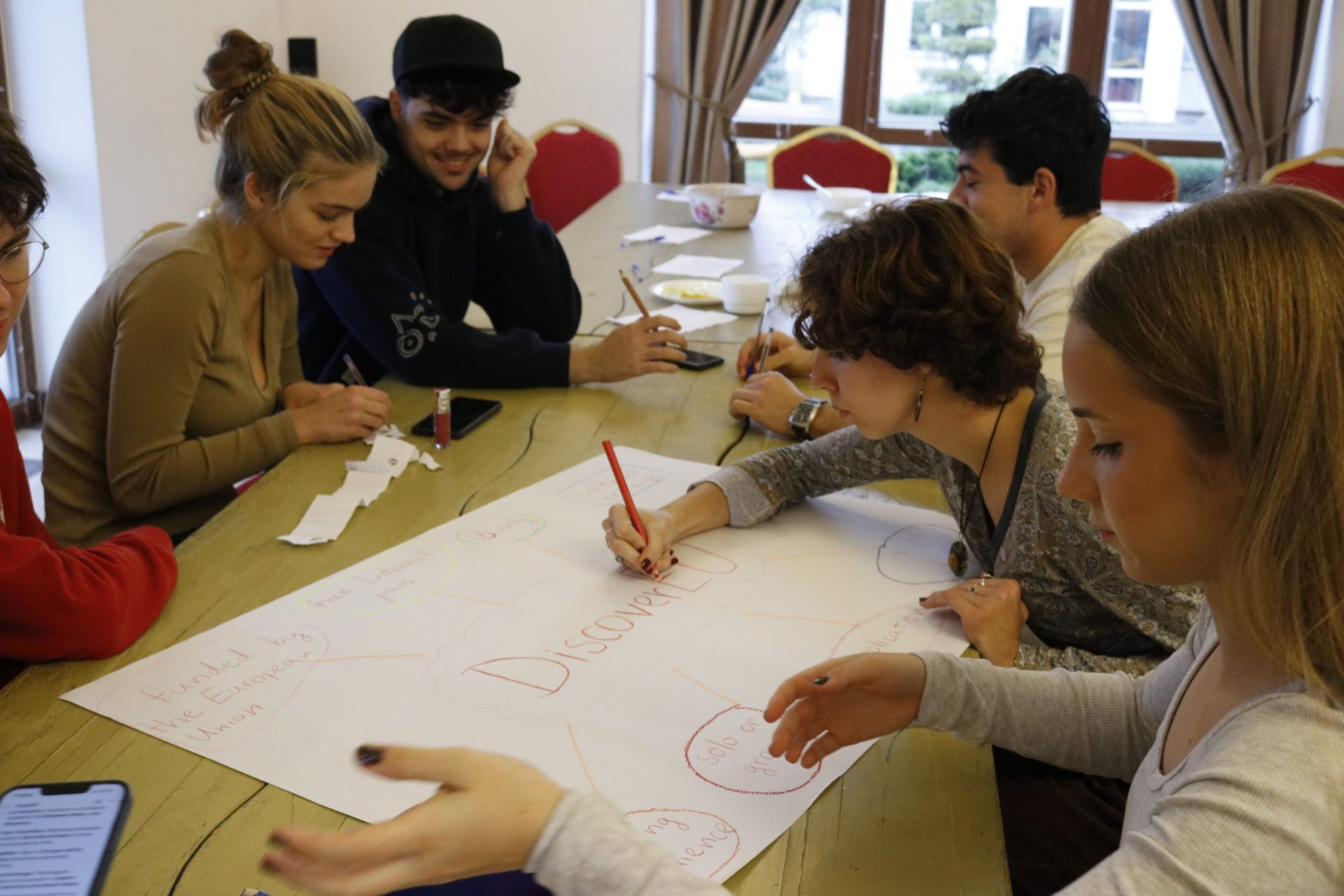
The week opened slowly and on purpose. Before anyone touched the subject, the group spent a day on names and ground rules, through a Name Story Circle, rounds of speed conversation, and a session called Me and the EU that explained what Erasmus+ actually offers. A Social Contract, written by the participants rather than handed down, set how everyone would treat each other for the week ahead.
The first full day of content started gently too. Working from the eight key competences for lifelong learning, the teams built an “AI Competence Village”, and in a session called Never Have I Ever they mapped their own everyday AI habits, the shortcuts most people use without thinking about them. It was an honest place to begin, and it made the harder material easier to meet head-on.
What’s Actually Under the Hood
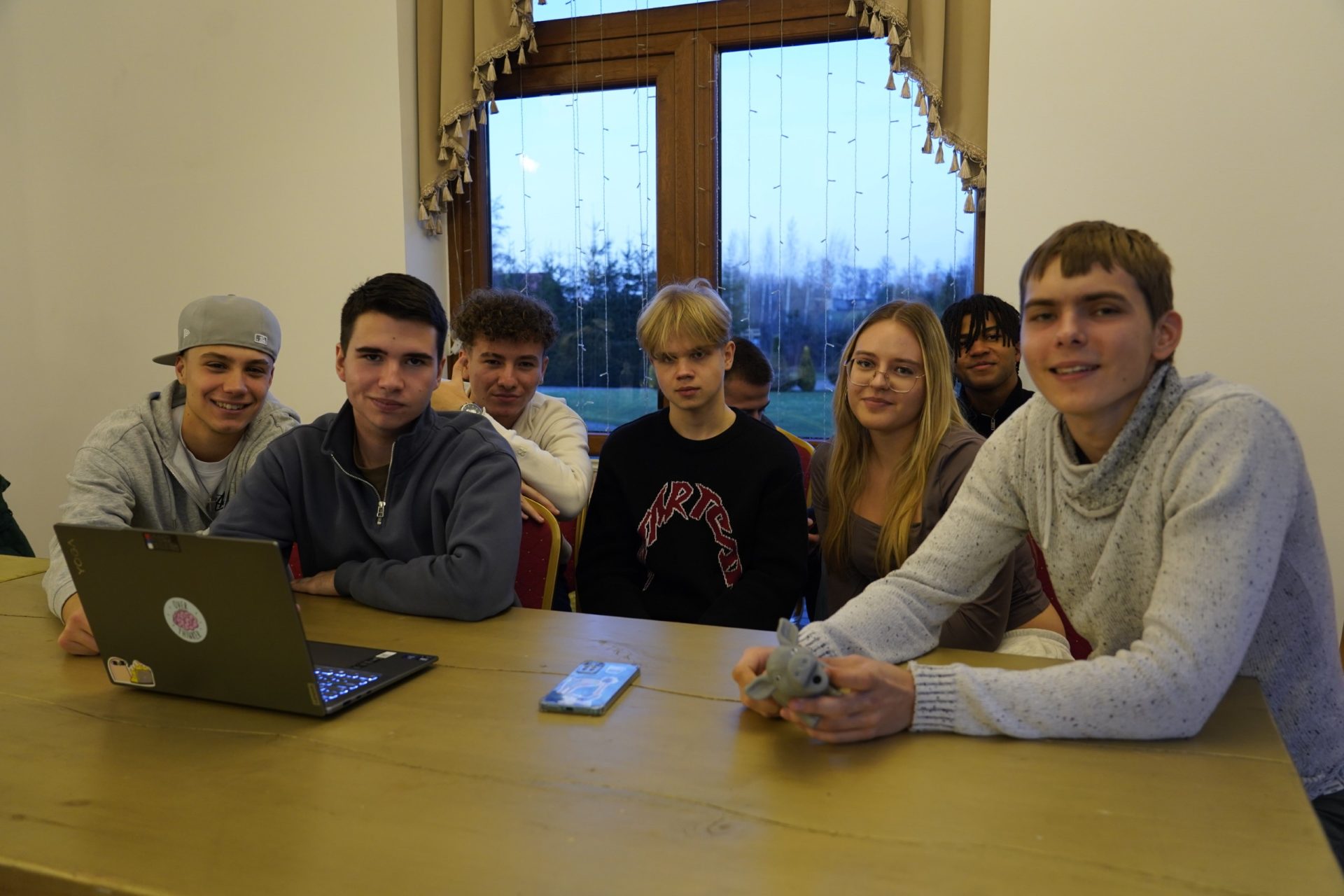
Once the group was at ease, the sessions got serious about how AI behaves. Teams researched what trains the popular tools and how that shapes their answers, then spent real time on the failure modes. In Breaking News, six teams each rebuilt a documented case of AI causing harm as a news broadcast, and in Curated Digital Feeds they watched, through invented personas, how a feed quietly bends itself around a stereotype until it shows a person only what it expects them to want.
None of it was treated as reason to fear the technology. It was treated as reason to know it well enough to stay in charge of it, which turns out to be a more demanding position than either blind trust or blanket suspicion.
The Craft of Asking
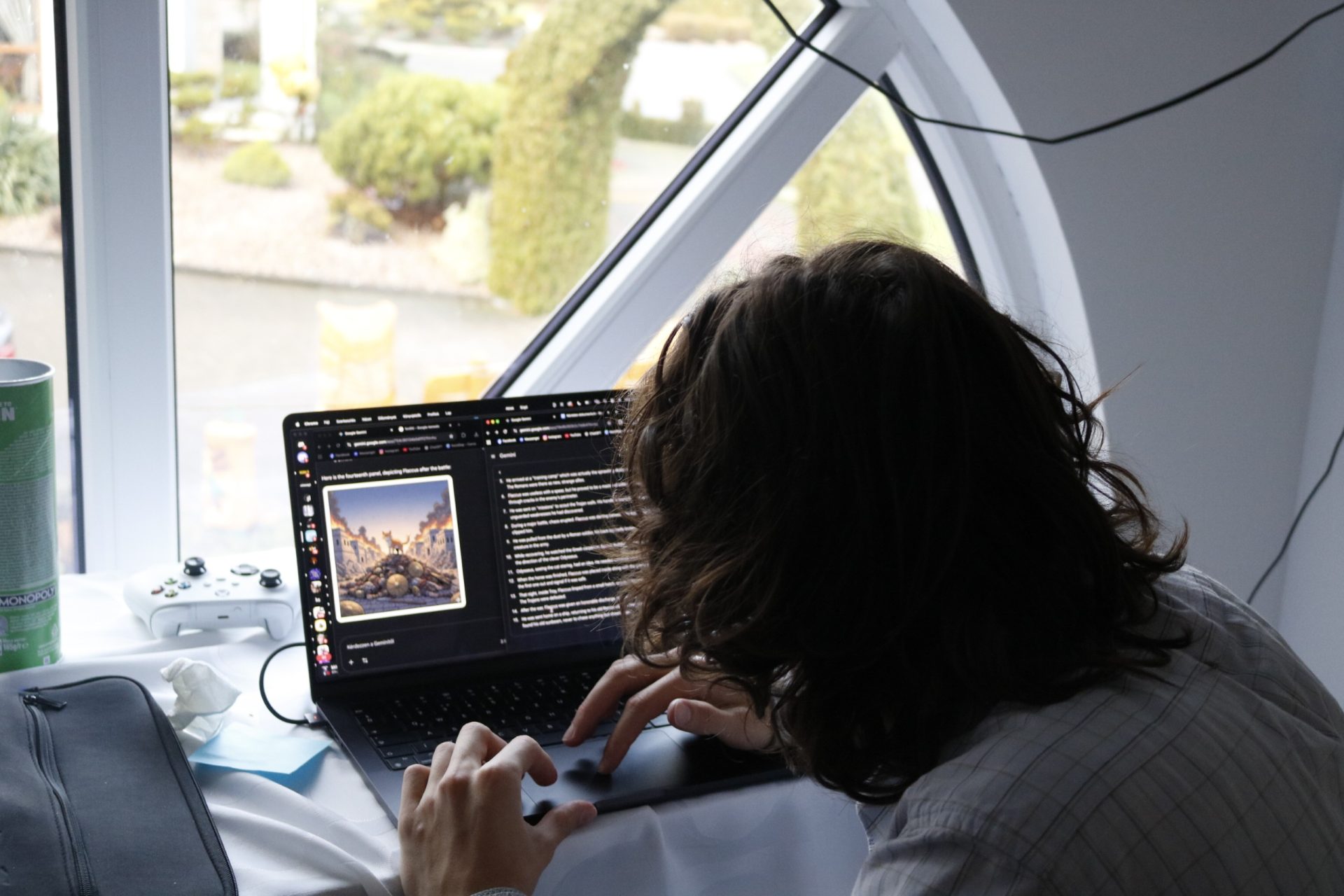
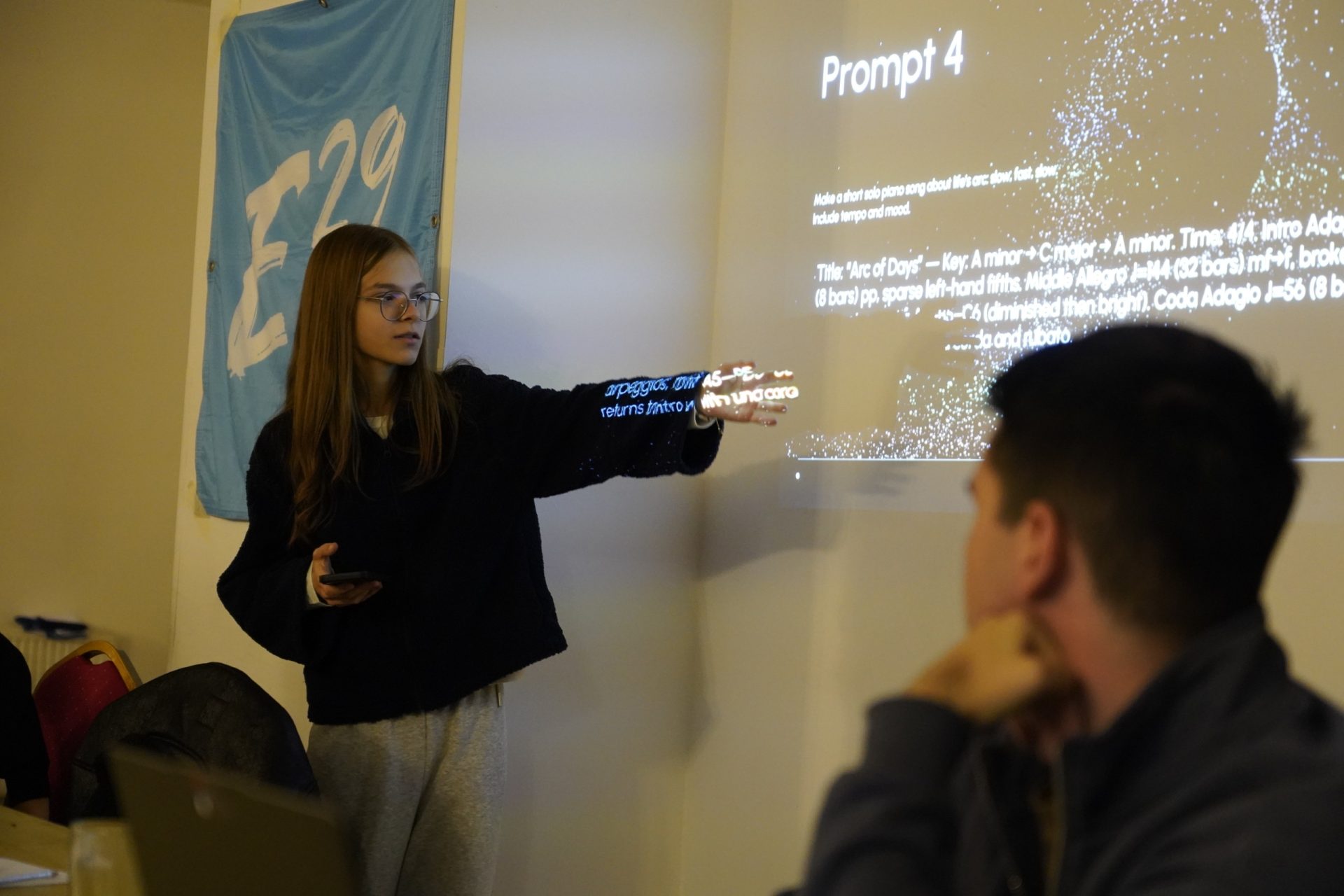
A long stretch of the week went to the simple-sounding skill of asking well. In Prompt Perfect, the participants took one request and refined it under a word limit, pass after pass, watching a loose question sharpen into a precise one. My Prompt Friend turned the lesson into theatre: teams wrote and performed short plays about an assistant that follows instructions too literally, acting out the hallucinations and the misreadings that a careless prompt invites.
It was practical work the group could repeat the next day on their own laptops, which is the real test of whether a session landed. By the end of it, asking an AI a good question had stopped being guesswork and started being a method.
From Idea to Demo
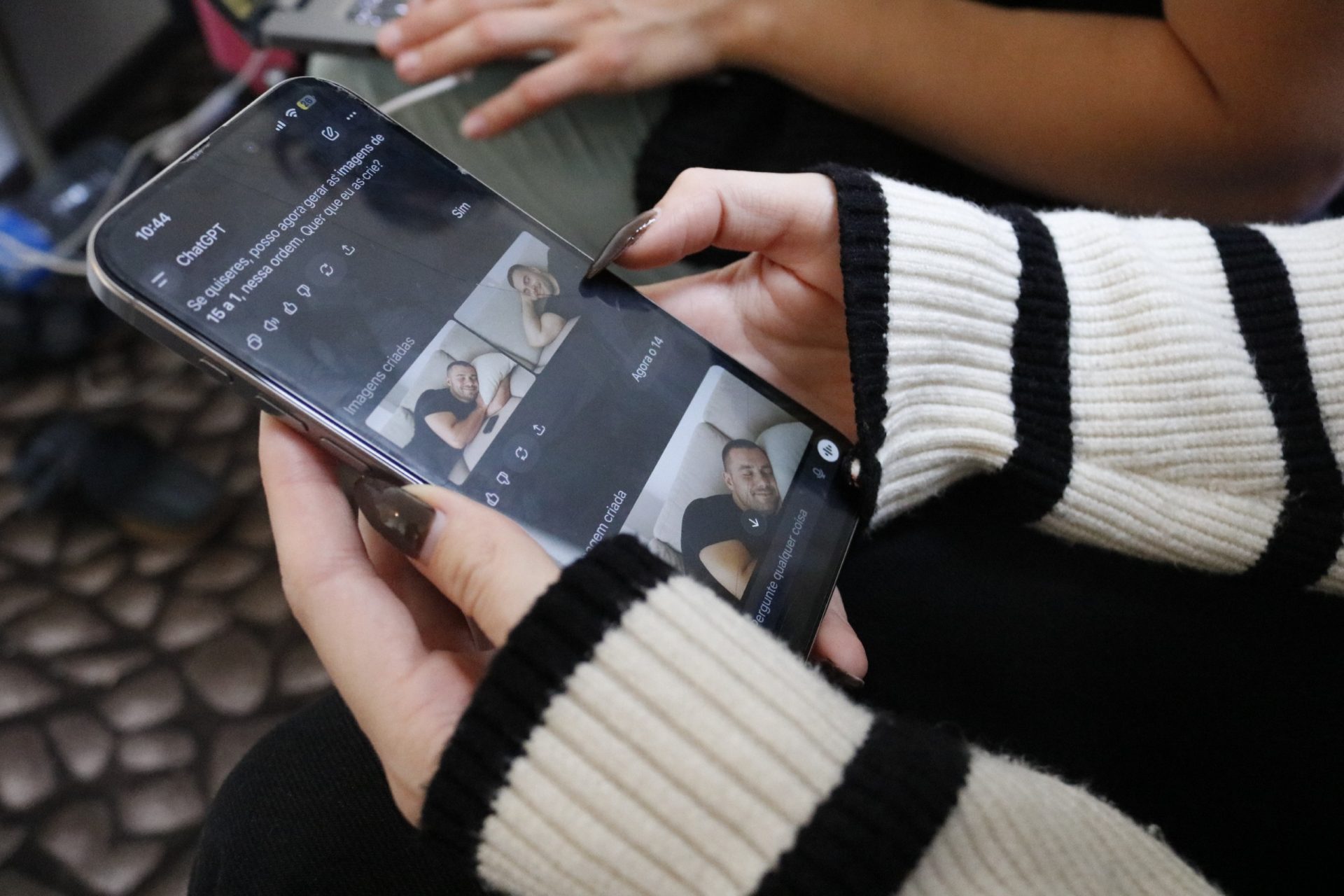
The closing days were the most ambitious. In Picture This, teams generated images from a story and then rebuilt each other’s stories from the pictures alone, a game that exposed exactly where AI image tools get things right and where they invent. Then, in My AI-based App, teams designed an app or game concept, built a quick AI-coded demo, and pitched it to a panel standing in for investors. Watching young people move from criticising AI early in the week to commissioning it by the end was the clearest sign the week had done its job.
Tigra AI
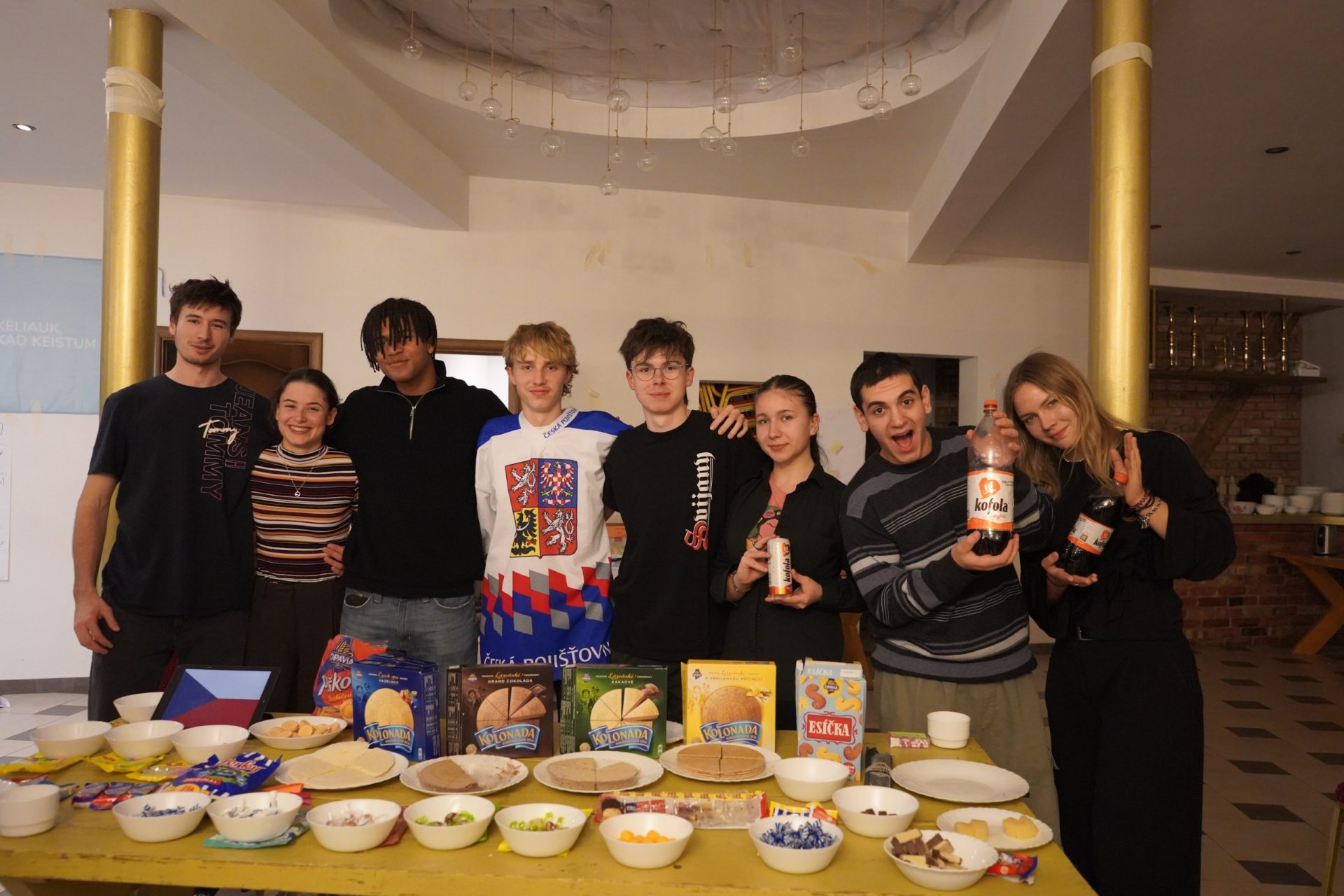
The very last sessions looked forward. In Future Ideas the participants designed youth exchanges of their own, and in Dissemination Plans they worked out how to carry what they had learned back home. The intercultural evenings, one per country, ran throughout and did the quiet work of turning the delegations into one group.
What Came Home With Us
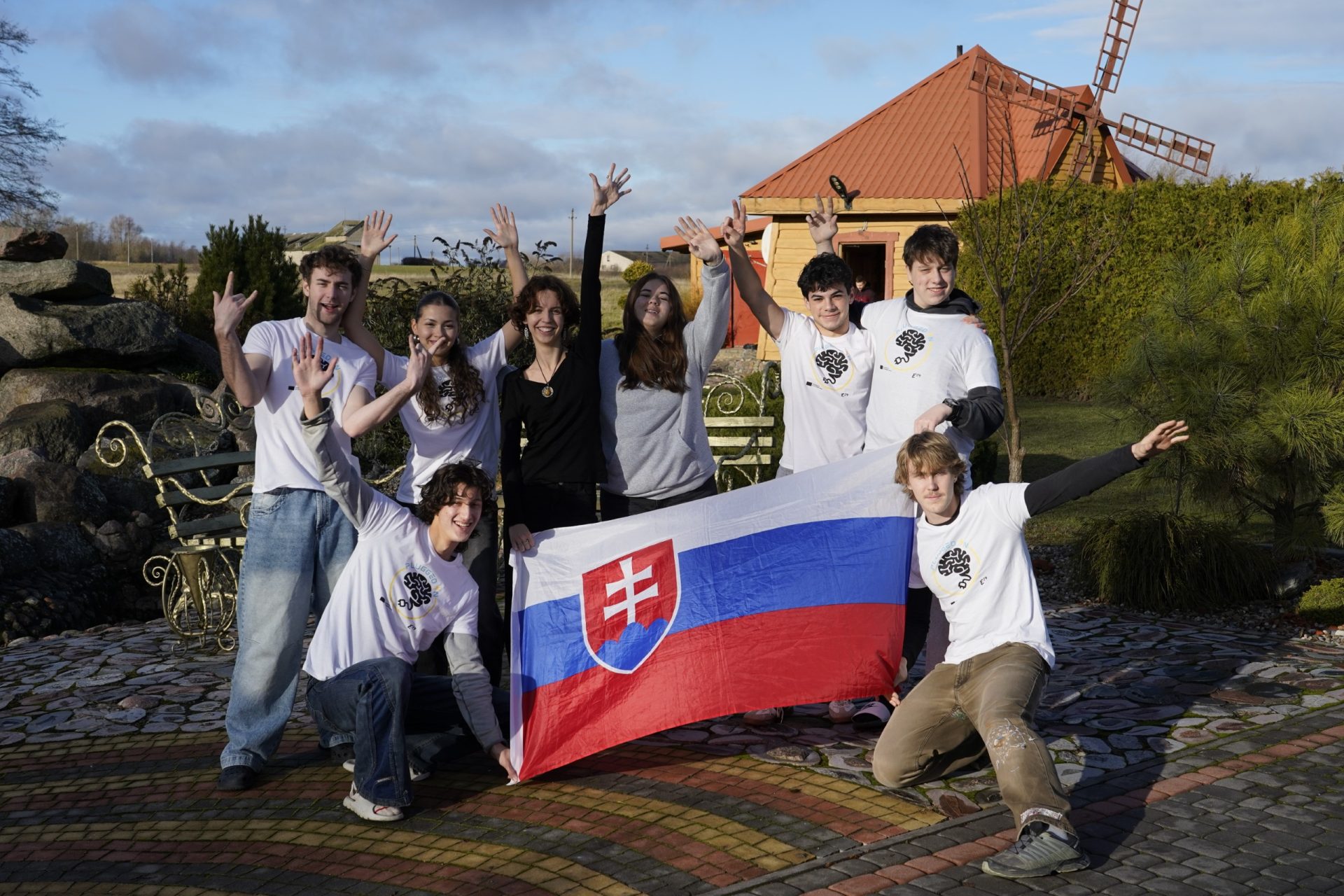
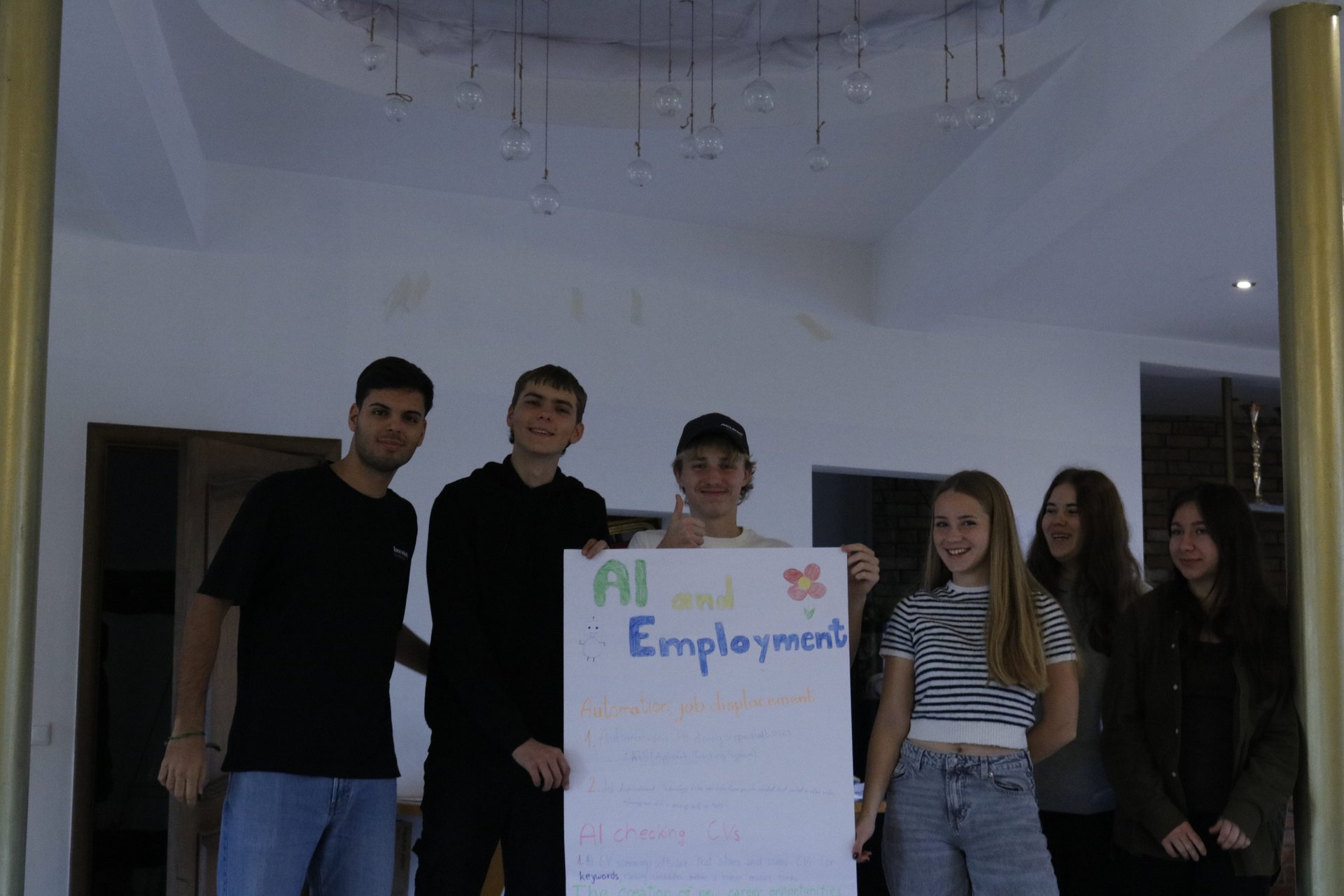
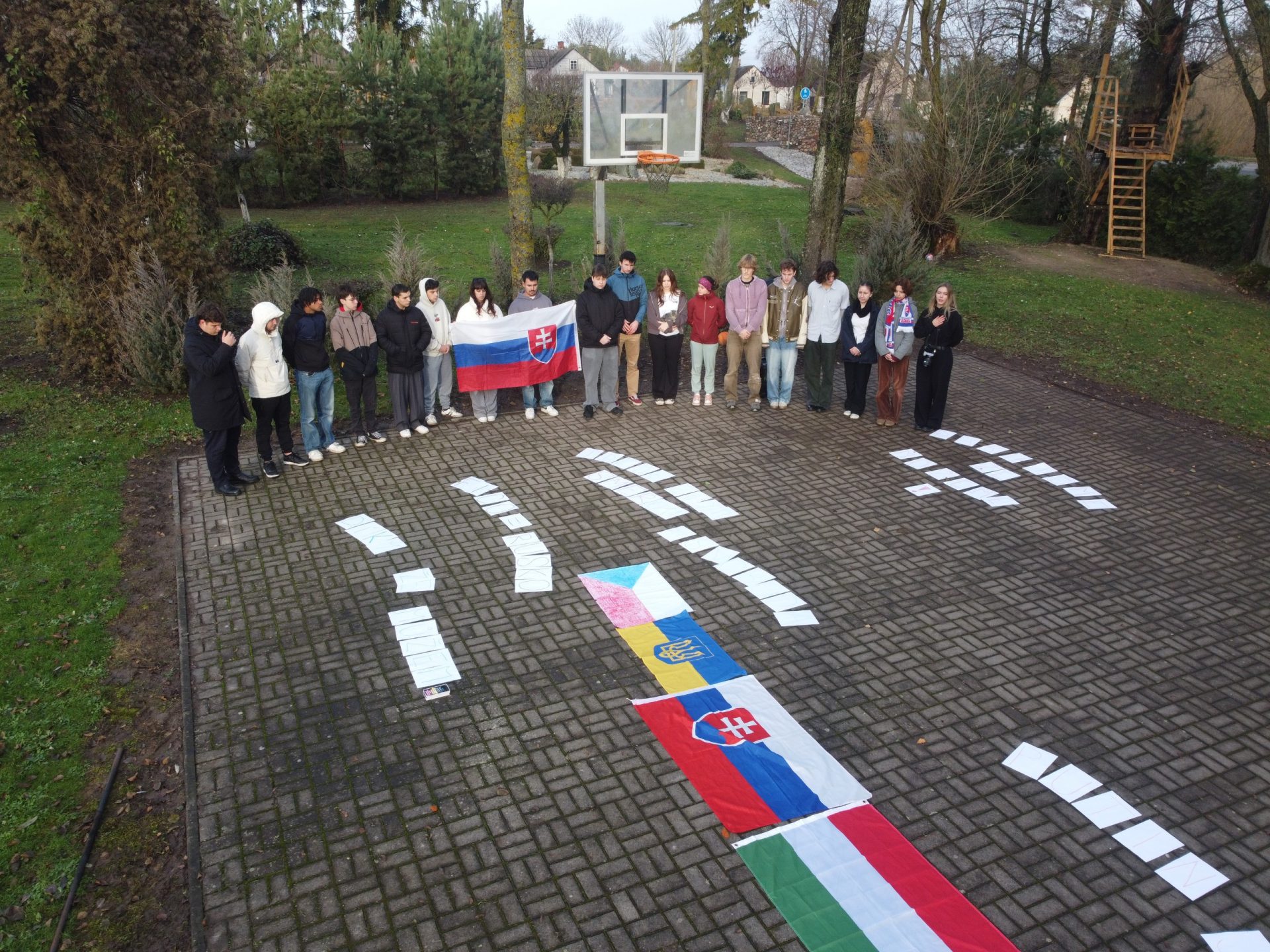
Our participants returned to Slovakia having moved from being users of AI to being people who can take it apart, question it, and put it back together for something of their own. That shift, from passenger to driver, is what we hoped the trip would give them, and it travelled home along with a set of new friends made across the group.
Photo Gallery
A few more moments from this activity :)
Check these and more photos in the activity’s photo album.