How do you feel right now, and how do you feel after? That question came back again and again through Glow Up, before a session and after it, before a game and after it, until noticing how we felt stopped being an interruption and became a habit. Learning to ask it well was, in the end, most of the point.
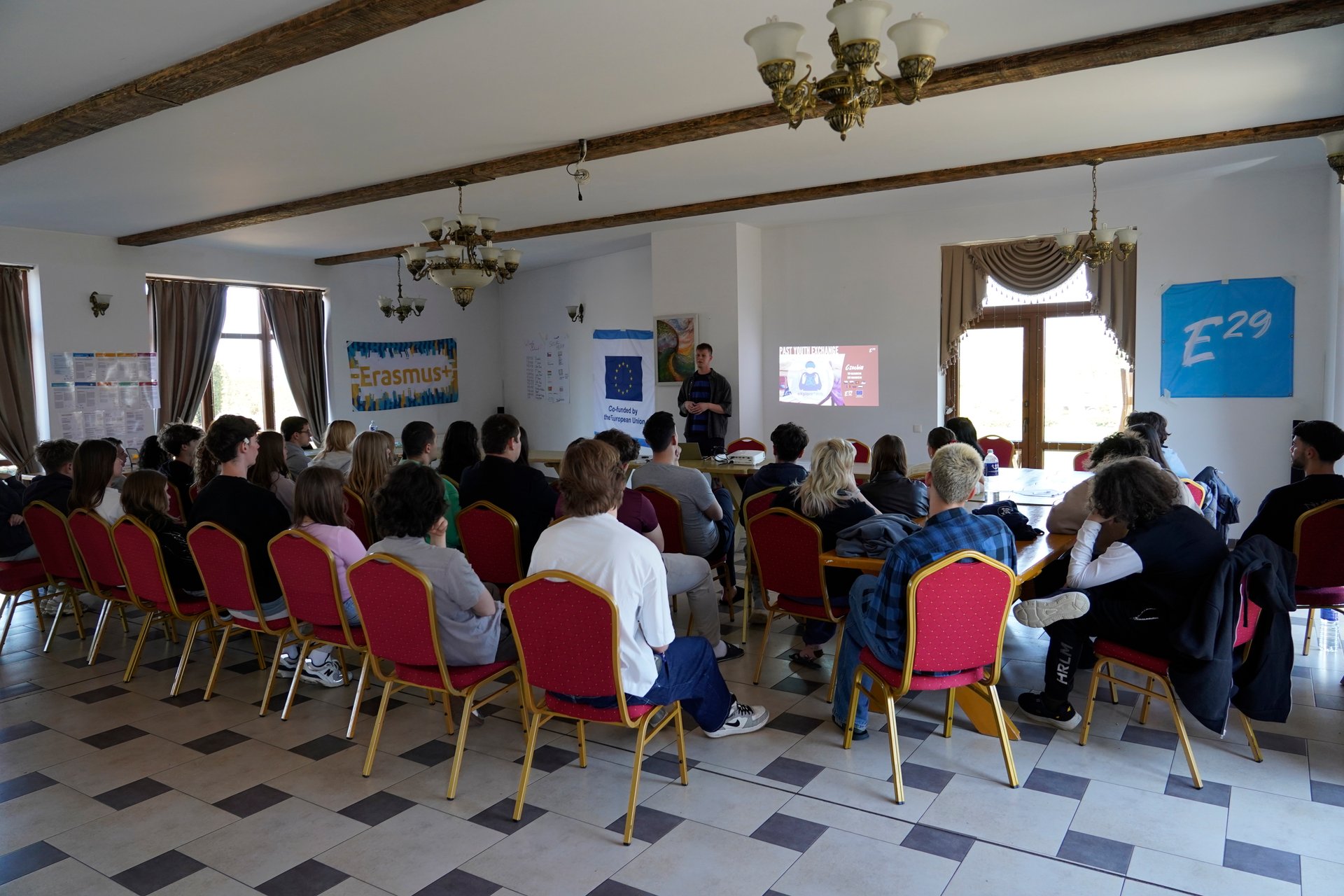
The week happened in Bartninkai, a small town in Lithuania, where our Slovak team joined groups from Portugal, Czechia, Hungary, Romania, and the Lithuanian hosts. Six countries, one shared aim: to understand a balanced life from both the mental and the physical side, and to do it through experience rather than instruction, with the participants steering the week themselves.
Learning to Notice
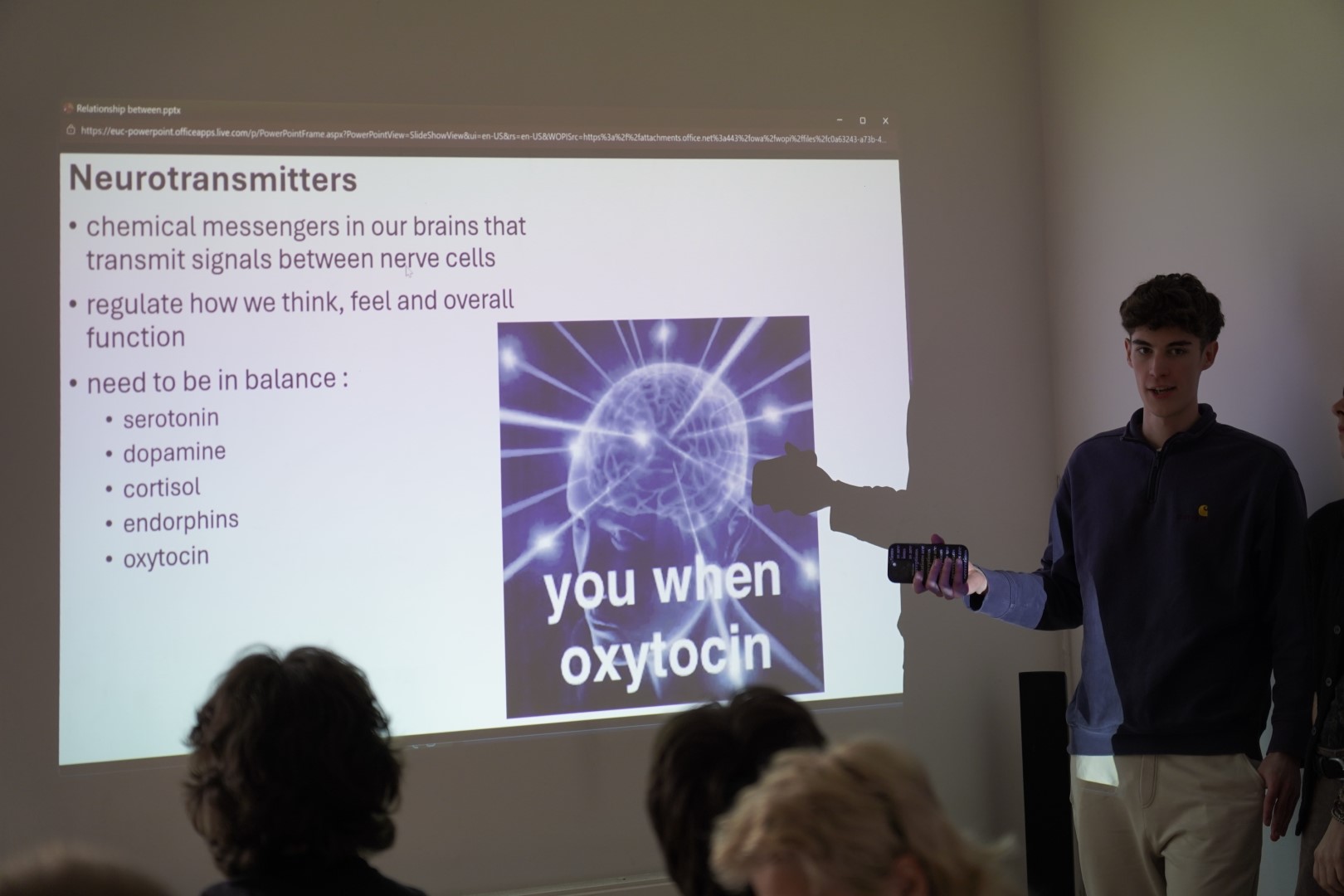
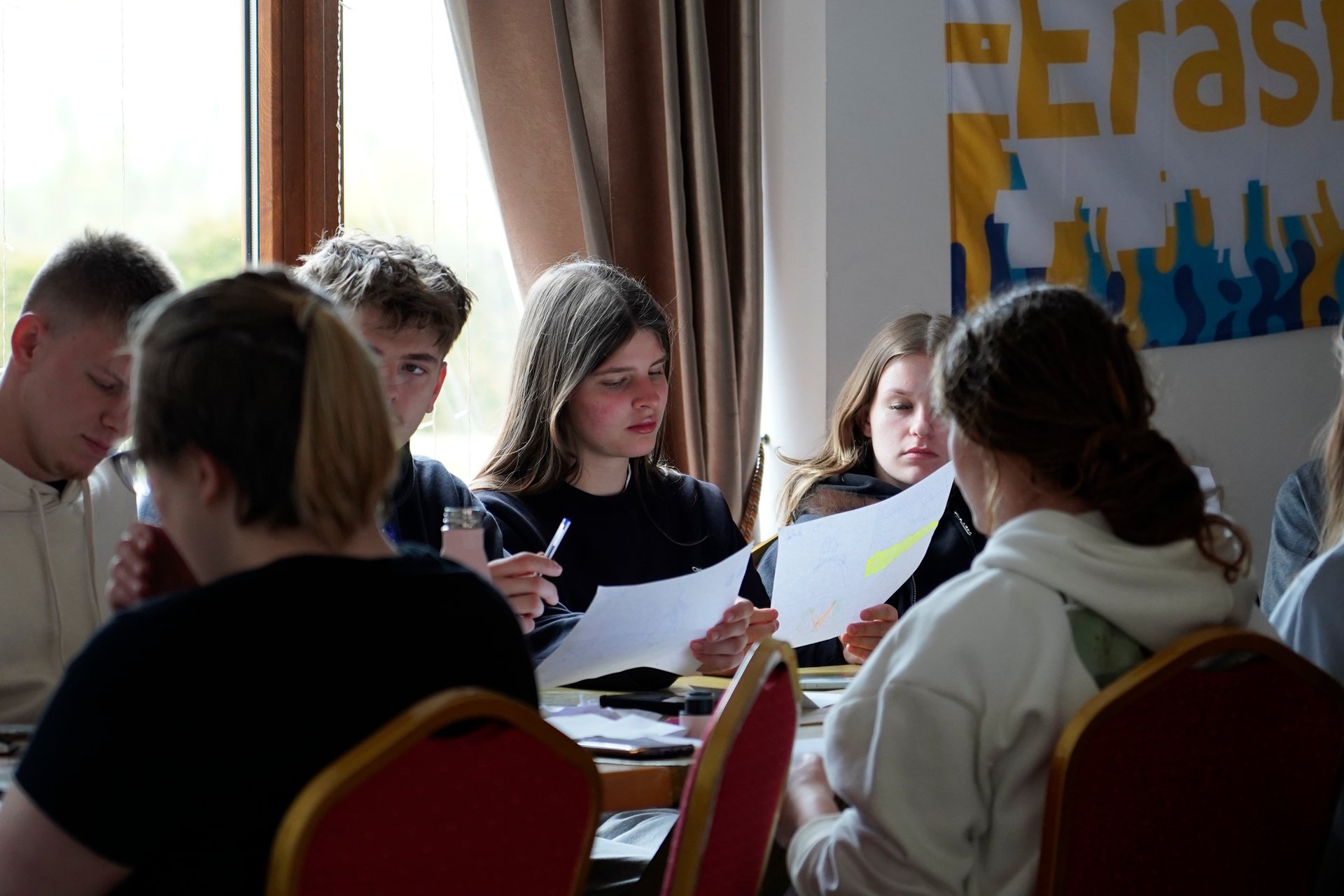
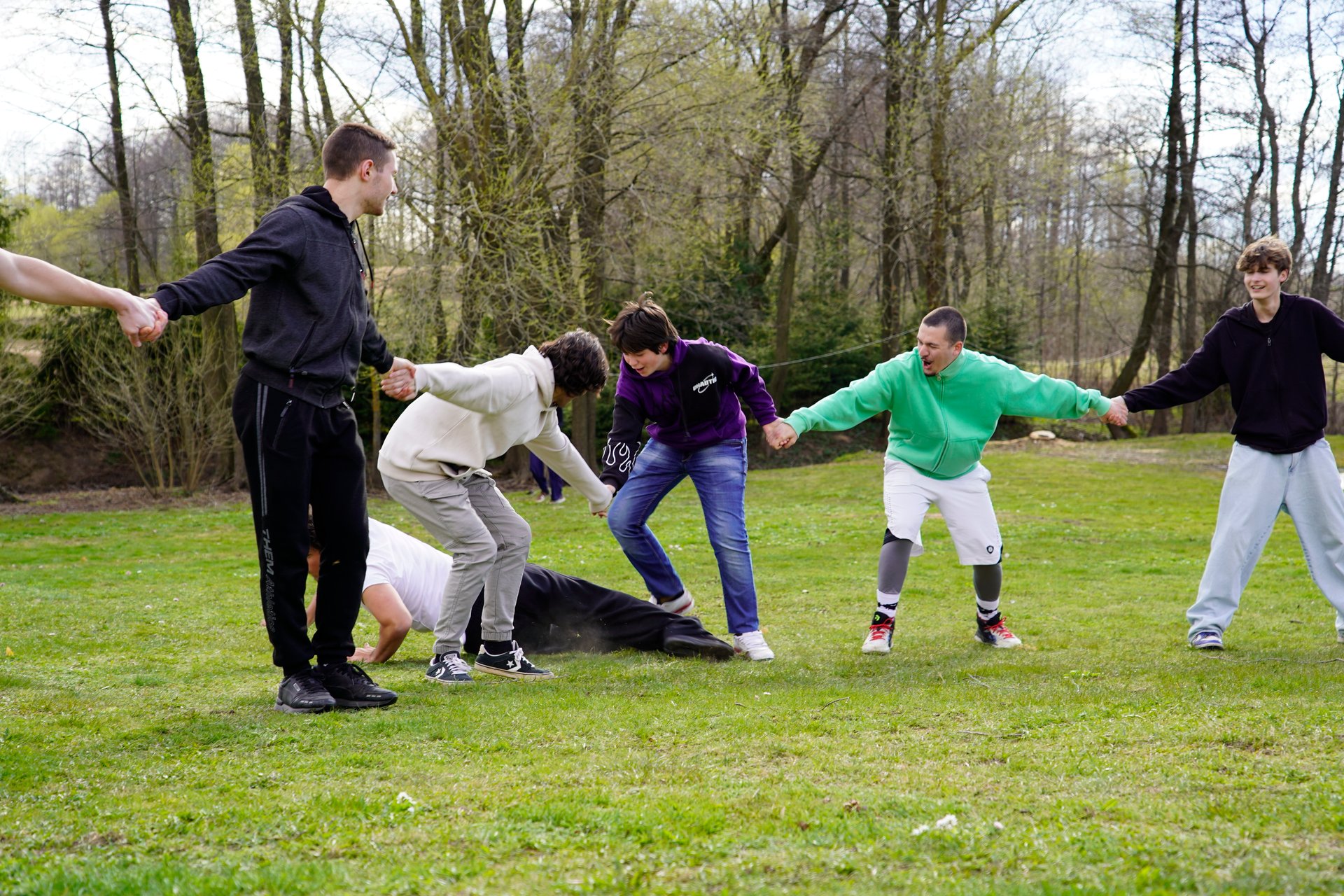
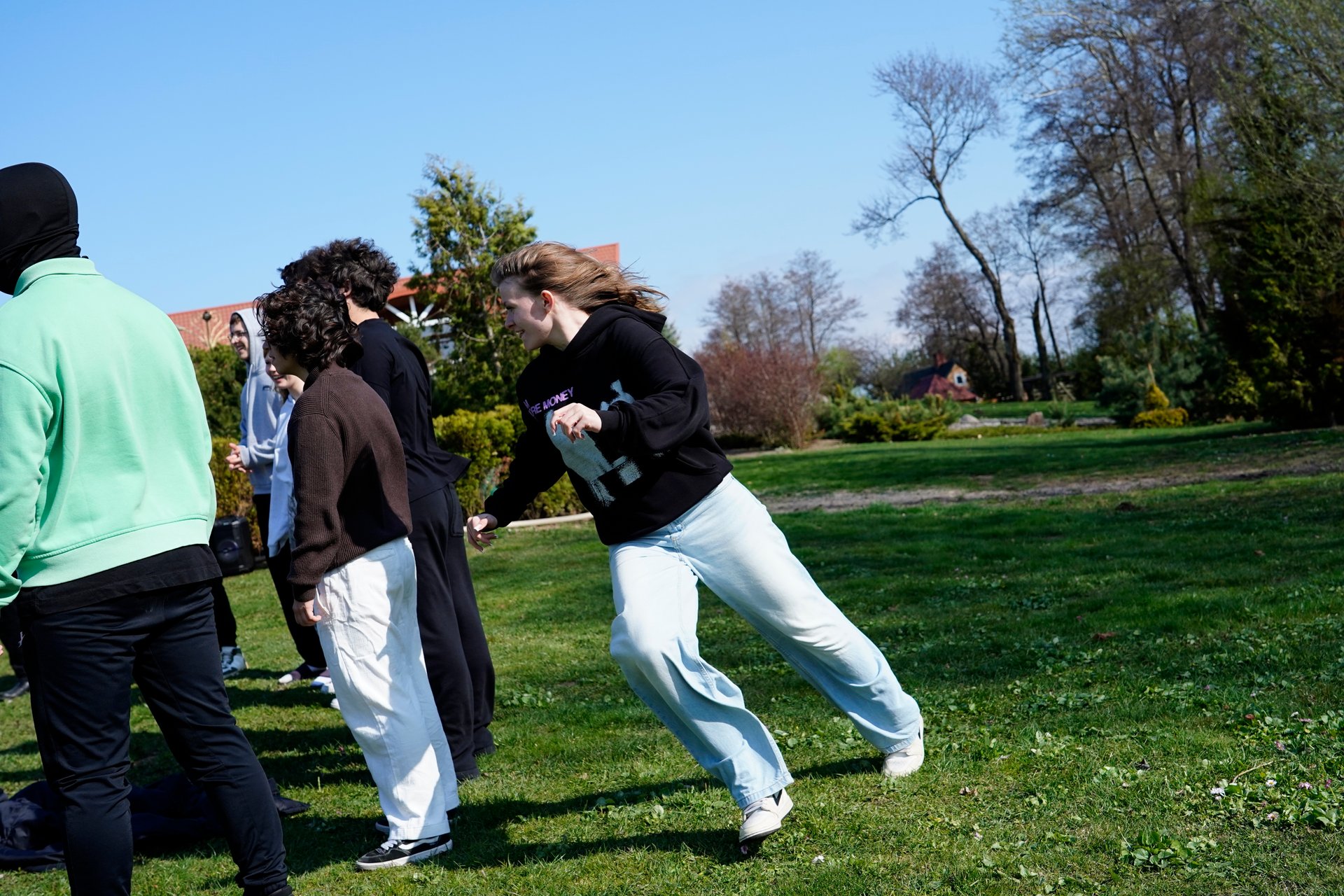
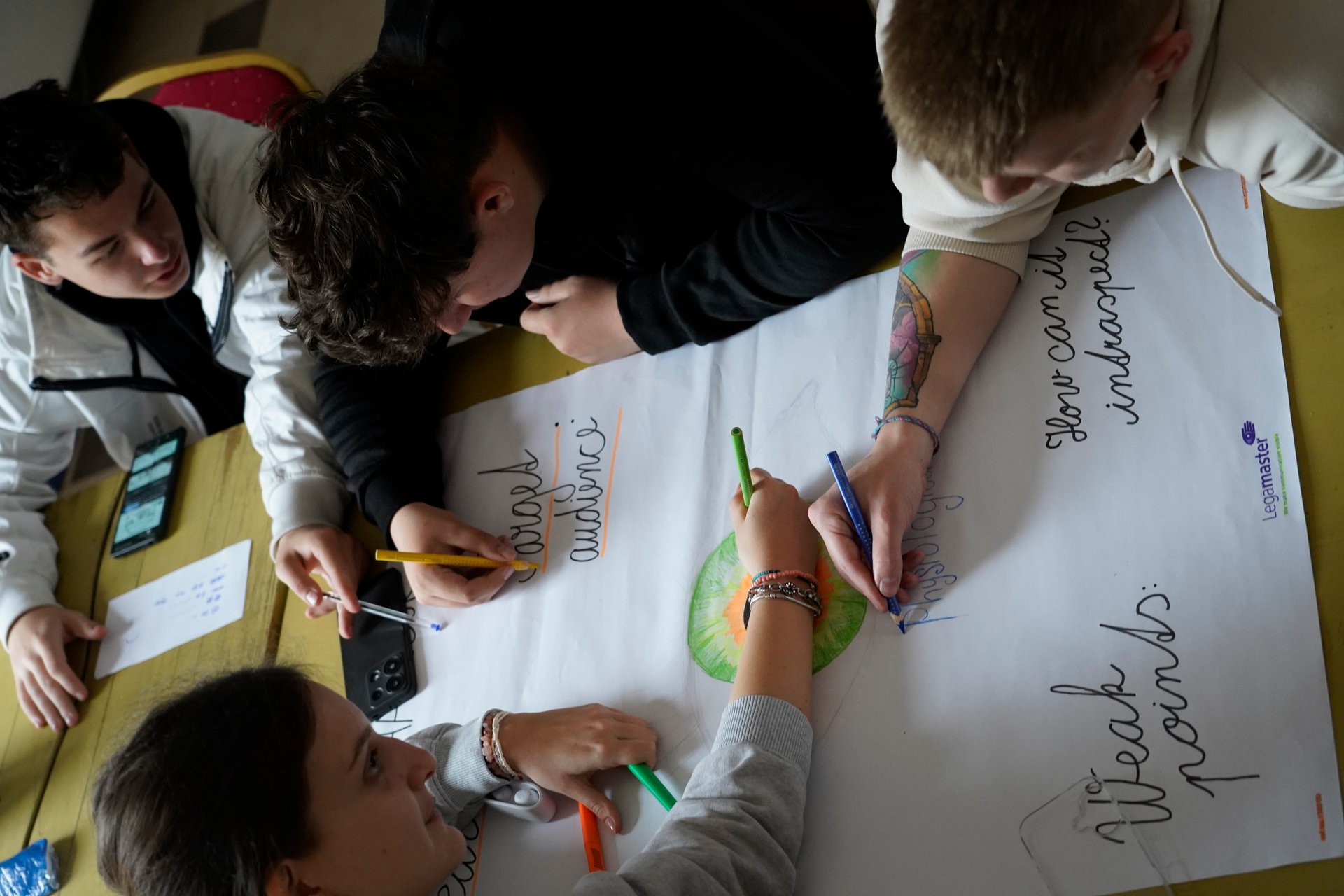
Noticing a feeling is easy. Naming it is the hard part, and that is where the week started once the icebreakers and a team challenge called Crazy 29 had turned separate groups into one. In mixed teams, the participants dug into mental health from a few angles, how attitudes to it have shifted over time, how technology pulls at it, how closely it ties to the body, and shared what they found with the room.
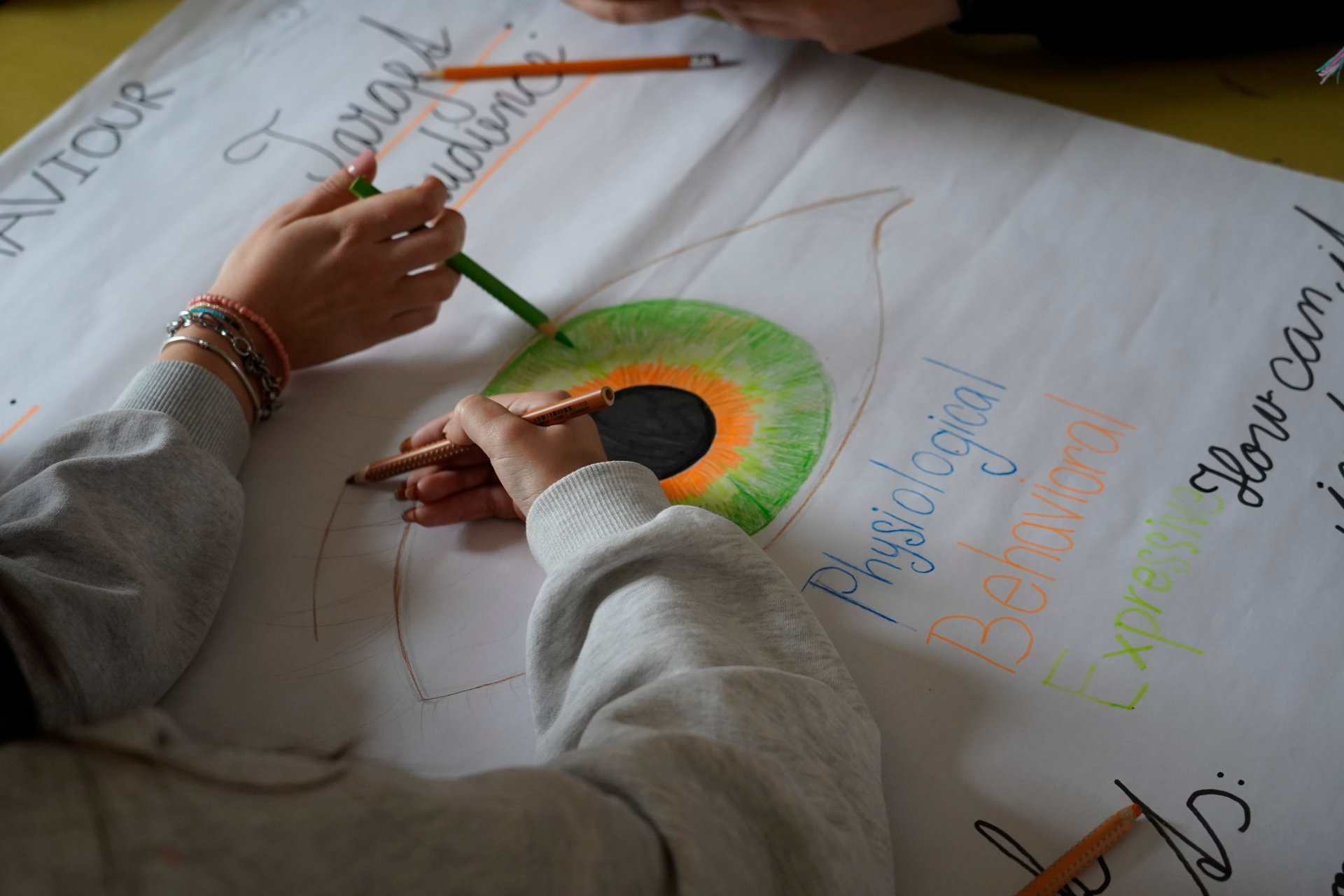
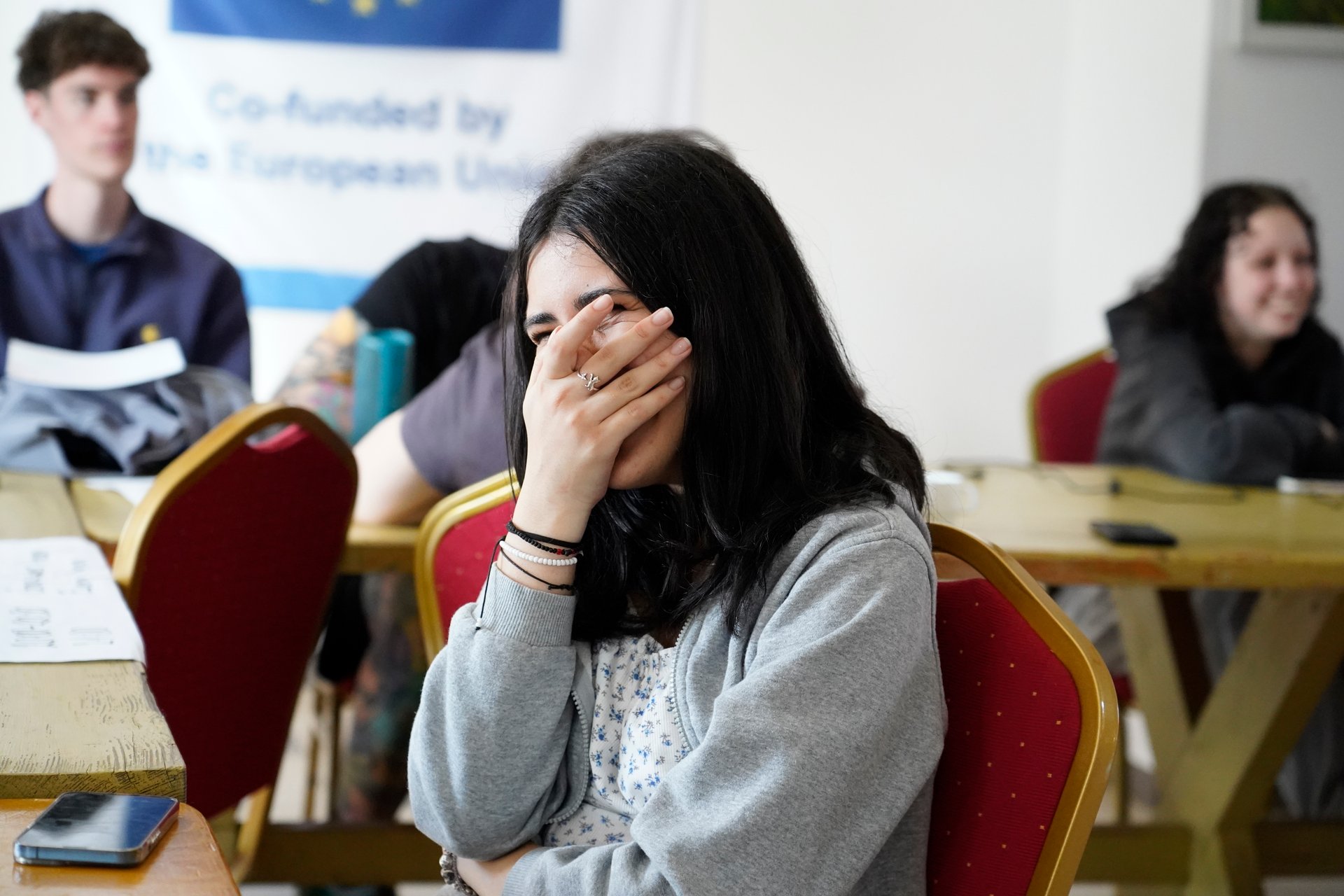
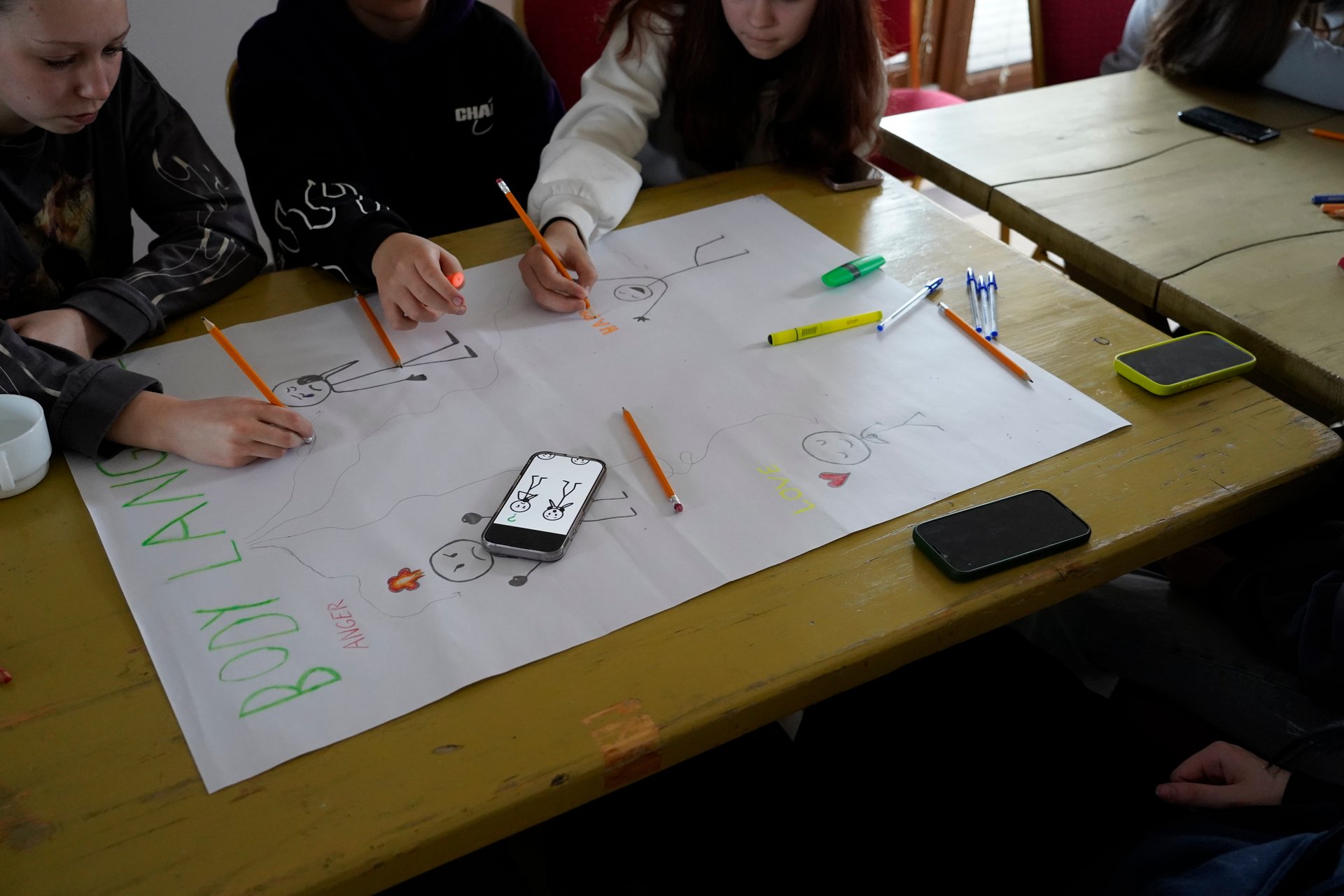
From there the group reached for the practical ways of reading emotion: facial cues, eye behaviour, a mood meter. These gave the vague sense of being “off” a name precise enough to act on, and turned the recurring check-in question into one the group could actually answer.
Feelings, Made Visible
Some feelings are too slippery for a label, so the week found other ways to get at them. The group drew life maps, whole lives laid out on paper, and traced the quiet relief of seeing the shape of one all at once. They drew to a run of songs and watched their mood move with the sound. In a session on language and emotion, they noticed how differently a feeling lands in a native tongue than it does in English, and how much the available words shape what can be said at all.
The louder feelings got their own outlet too. In Theatre of the Oppressed the participants stepped into deliberately exaggerated scenes and practised steering them back from the edge, a test of composure and teamwork. And in a session they named Beyond Yes, an honest talk about people-pleasing, about the cost of always saying yes, turned into short films on how the habit shapes the smallest everyday choices.
The Body Keeps Score
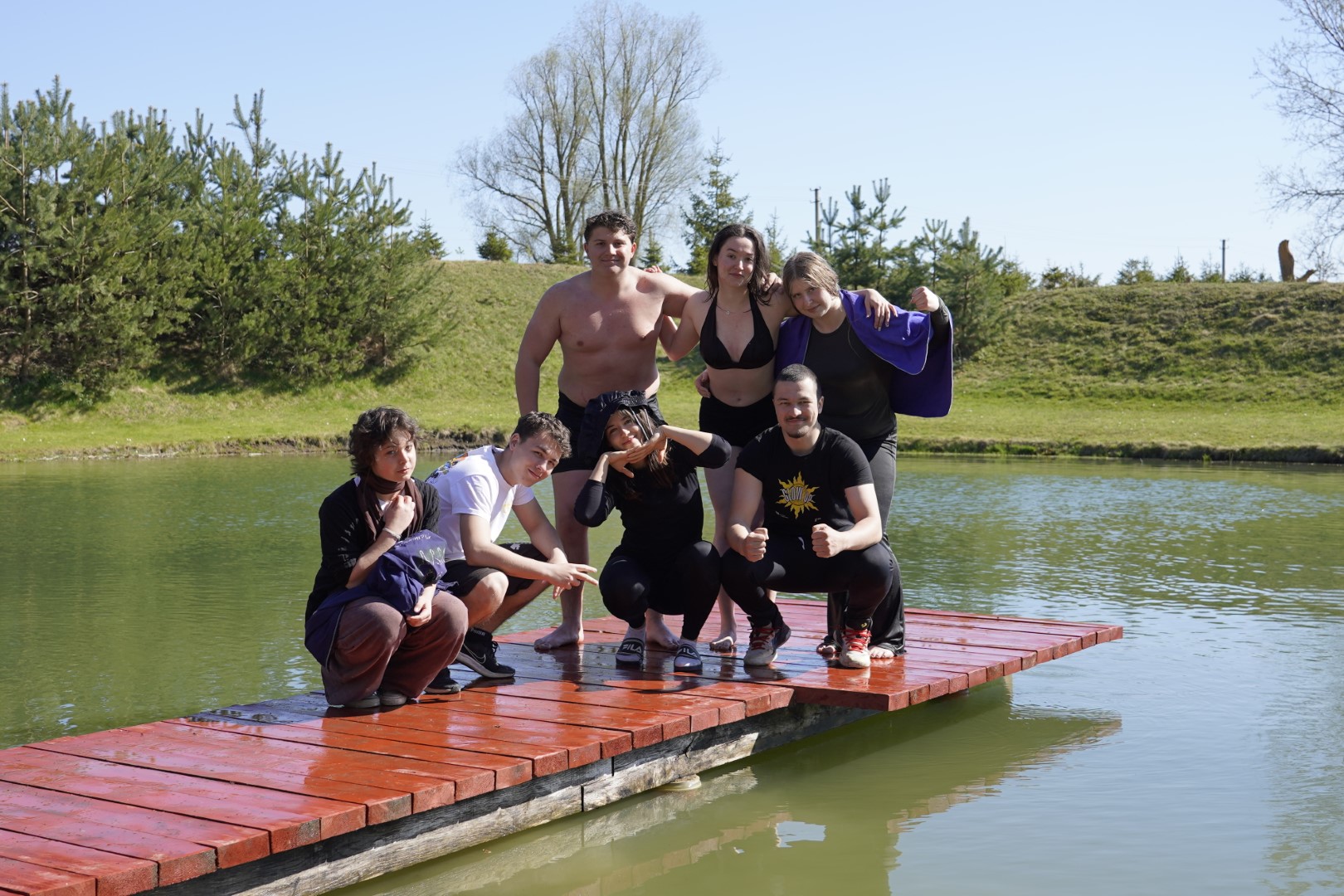
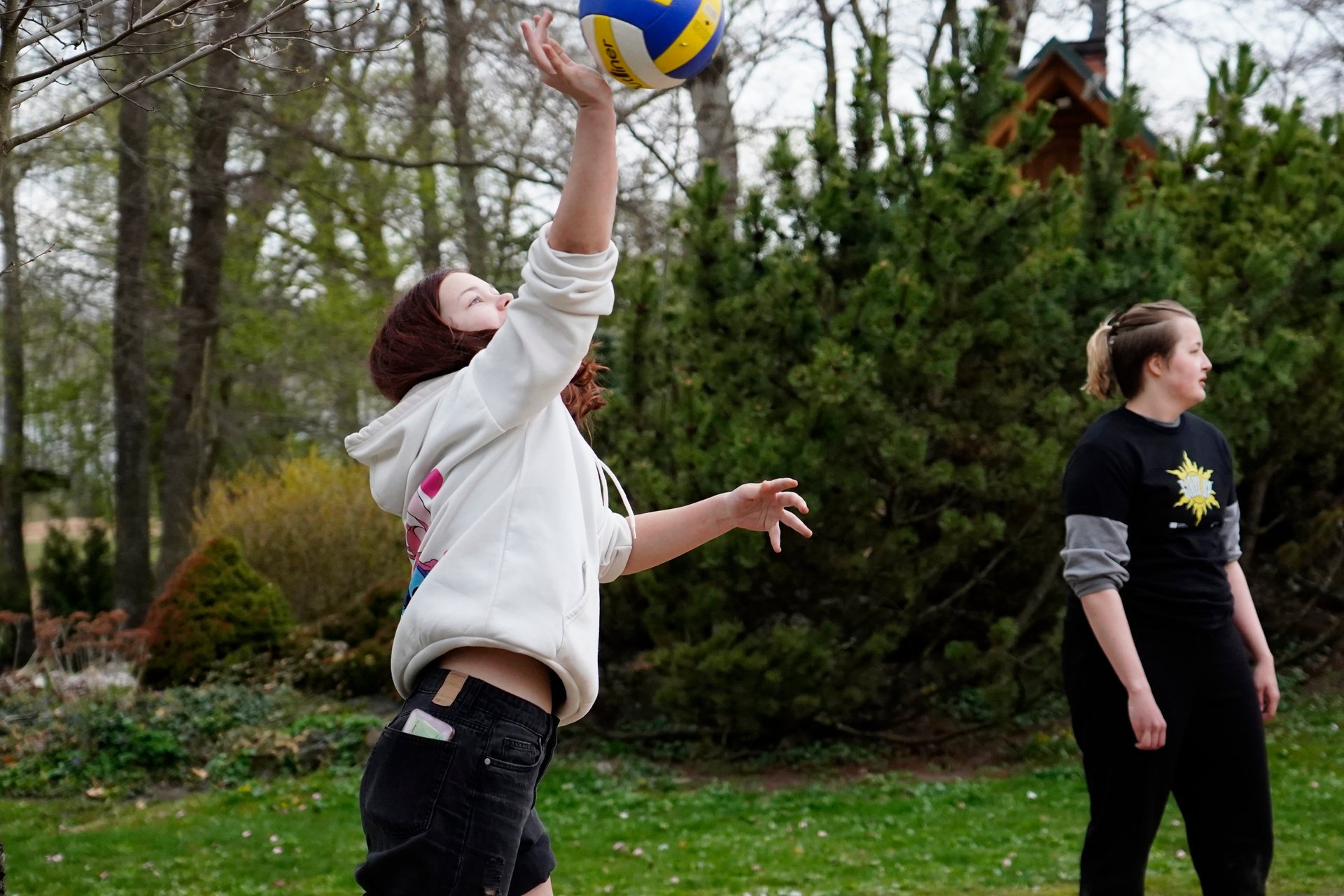
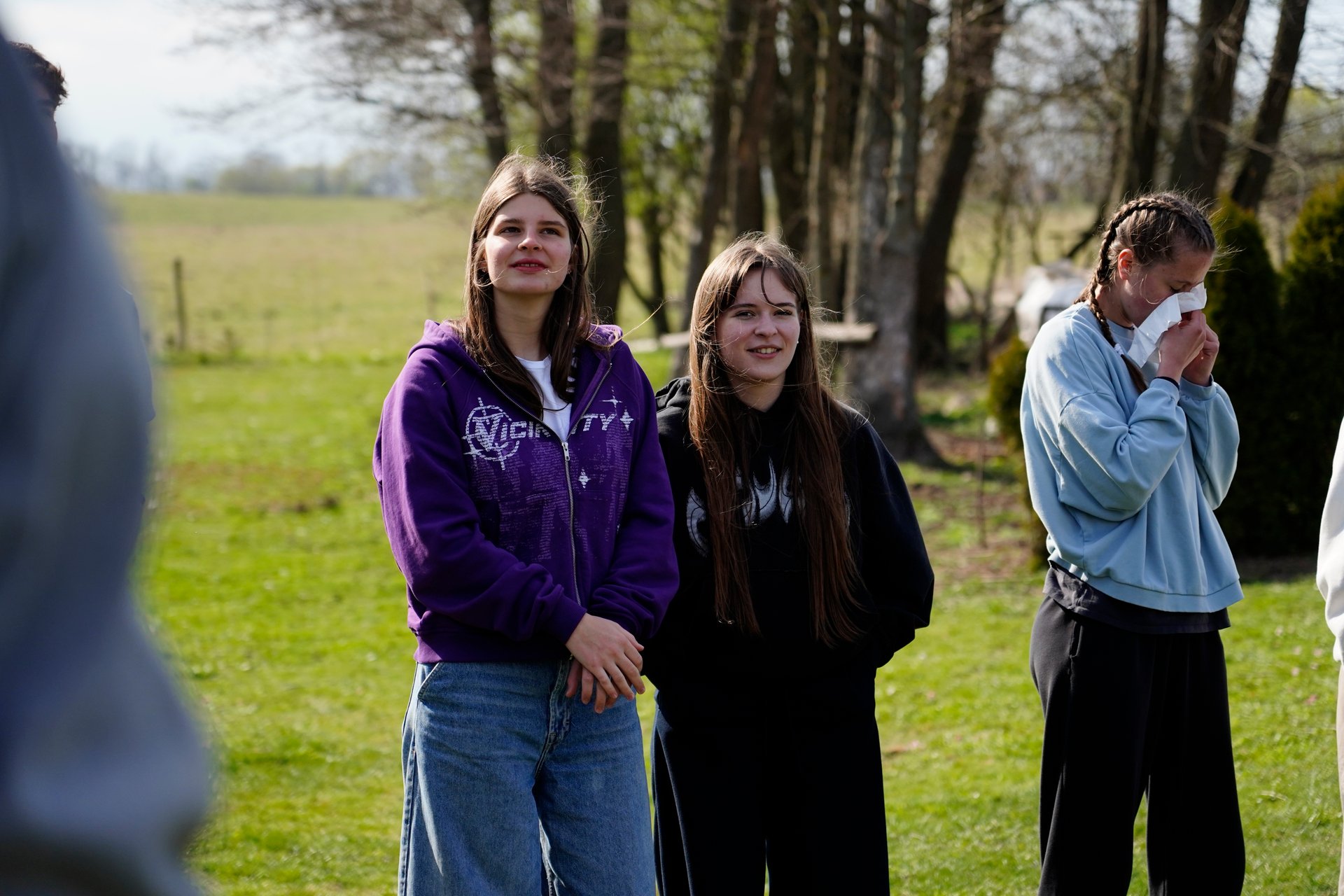
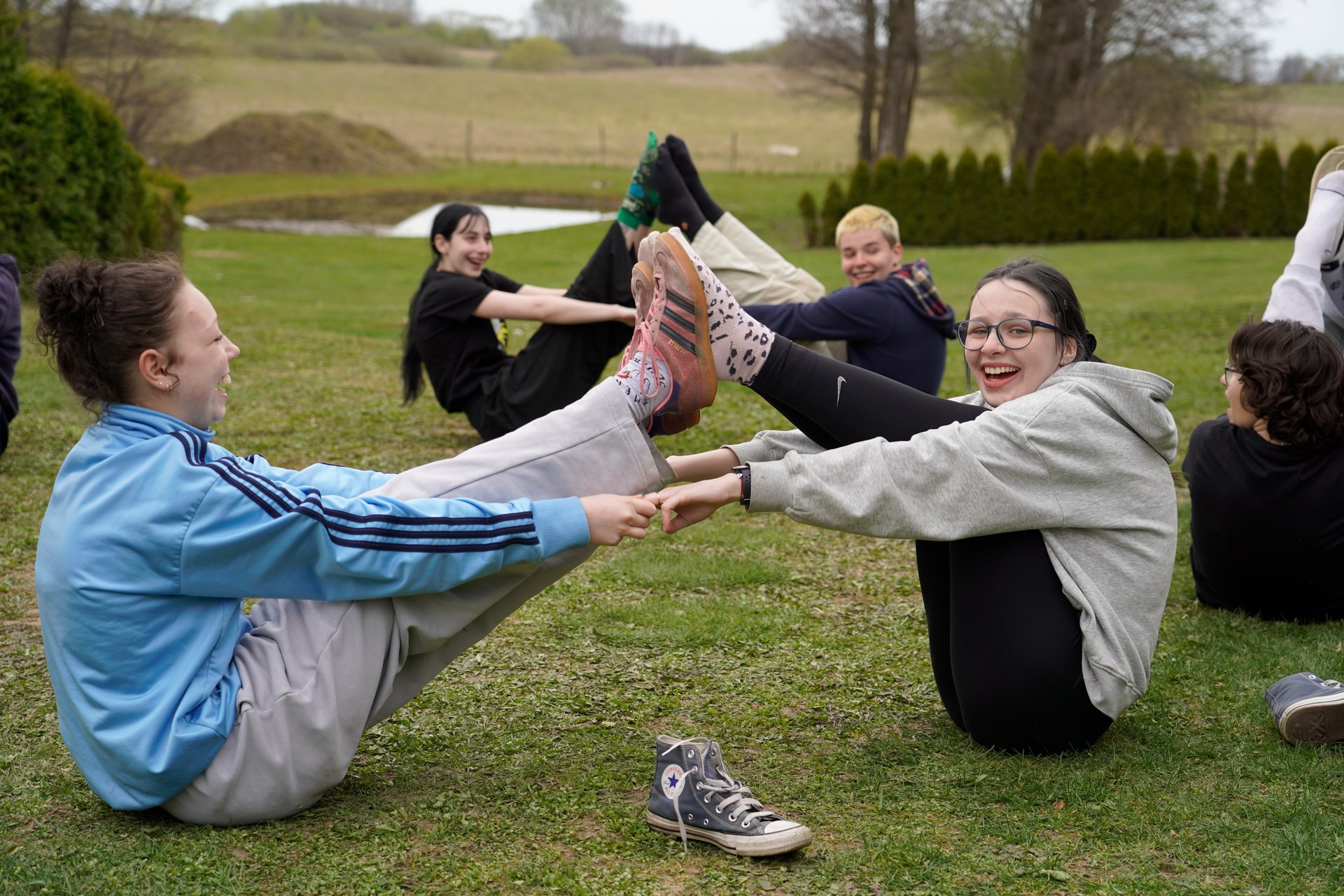
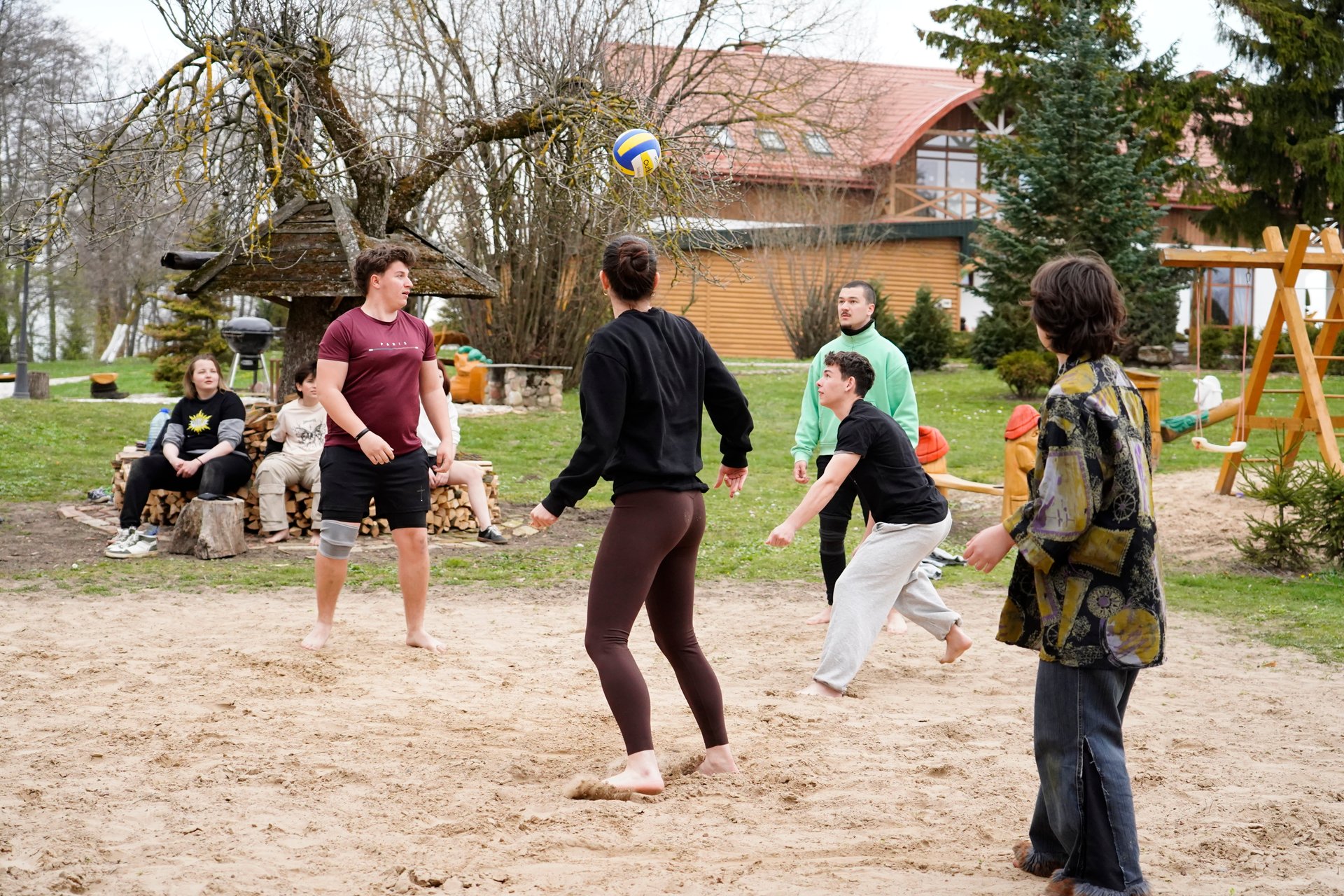
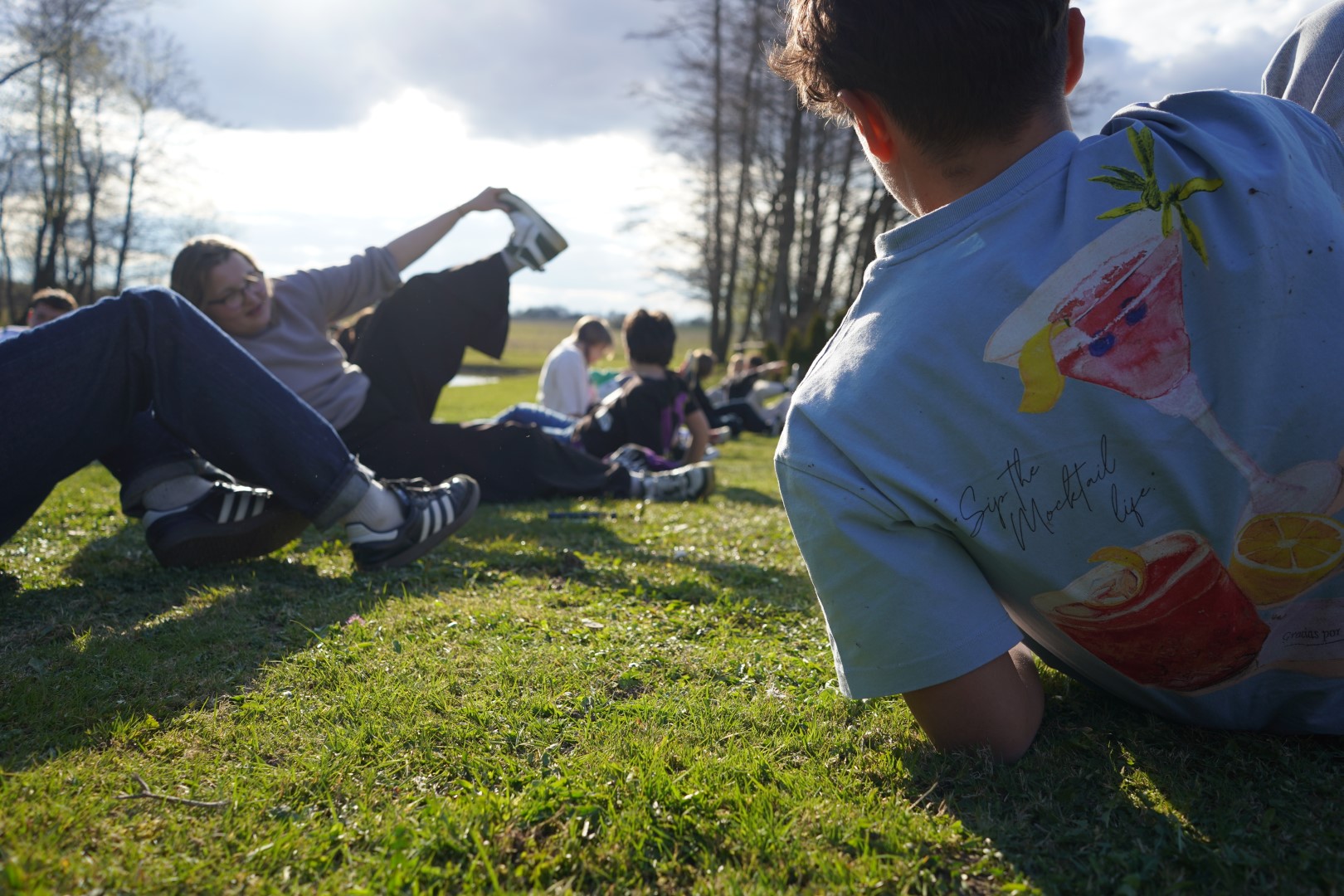
The physical half of balance answered the same check-in question with the body instead of words. A full day went to sport, volleyball, basketball, pilates, and yoga, and the before-and-after spoke for itself. A forest walk and a slow nature meditation earlier in the week had made the quieter version of the case, that attention and stillness settle the mind much as movement lifts it. The lesson the group kept landing on was simple: the mind and the body report to each other, and a balanced life listens to both.
A Week We Ran Ourselves
The exchange was the participants’ to run from the start, and a session called My Struggles, My Resolutions made that plainest: there they named the well-being topics that mattered most to them and built the sessions around them, shaping the week as it went.
The evenings ran on the same footing. Three intercultural nights, each shared by two countries, laid out food brought from home and a steady run of curious questions, and one night turned into karaoke, favourite songs passed around long after the sessions had ended. Those unhurried hours did as much for the group as the structured ones.
What We Carried Back to Slovakia
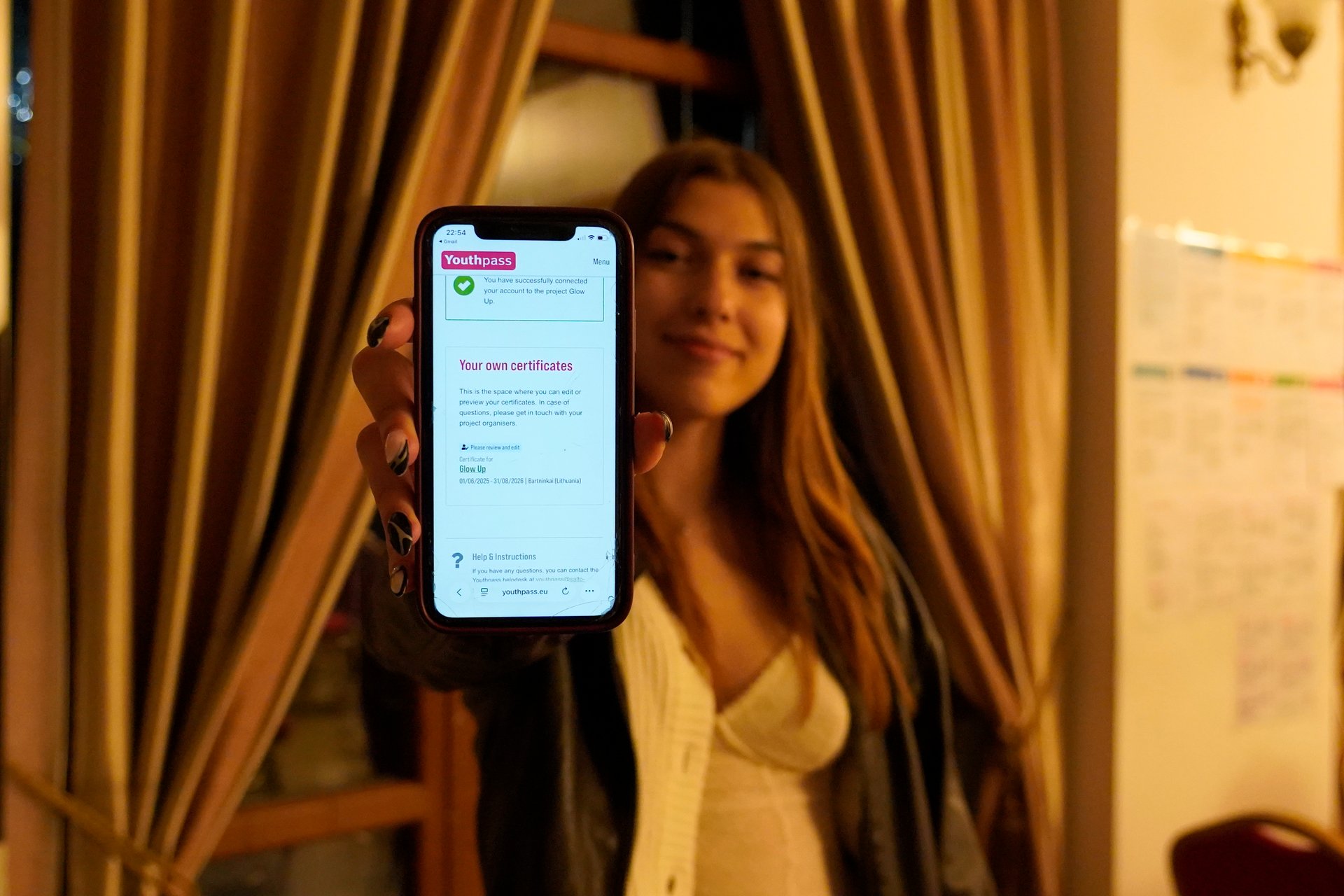
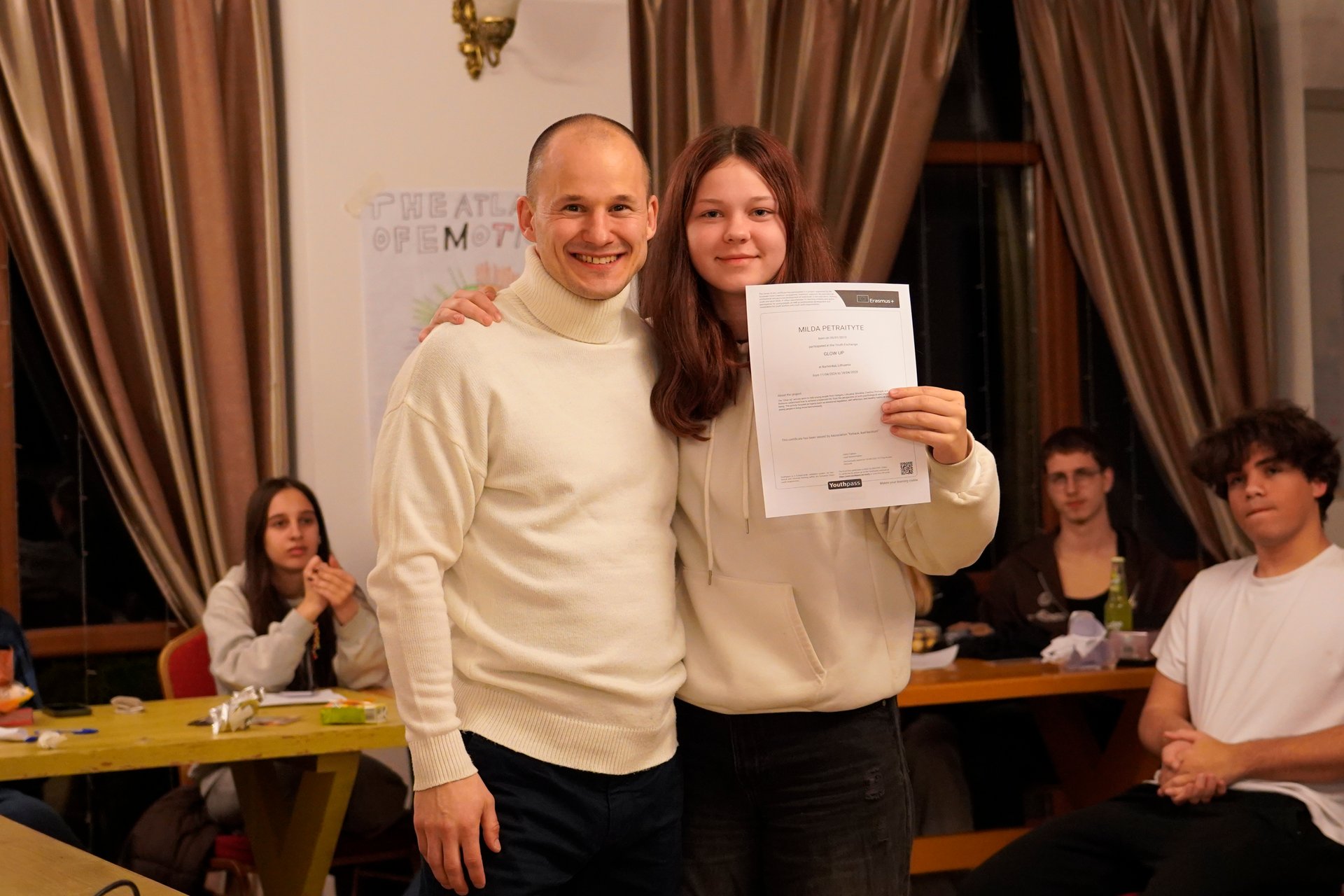
By the final day there were Youthpass certificates and goodbyes that landed harder than anyone had braced for. What our Slovak team brought home, though, was quieter than any certificate: the habit of stopping to ask how they actually feel, and the words to answer honestly.
That small practice, the check-in that ran through every day in Bartninkai, is the kind that does not stay behind when a week ends. The activity was co-funded by the European Union through Erasmus+, under Keliauk Kad Keistum’s Accreditation.
Photo Gallery
A few more moments from this activity :)
Check these and more photos in the activity’s photo album.