By the third round of pitching, every team knew the rules of the game. Stand up, present your fictional connected product, defend it against questions, survive to the next stage. The IoT Startup sessions at eXploreTech ran Shark Tank style, and somewhere between the first nervous pitch and the final confident one, our participants stopped thinking of the Internet of Things as someone else’s subject.
We sent our participants to Rokytnice nad Jizerou, a town in the mountains of northern Czechia, for this ten-day youth exchange about connected technology, data, and digital responsibility. Young people from seven countries took part. What set it apart was how much of the learning arrived disguised as competition.
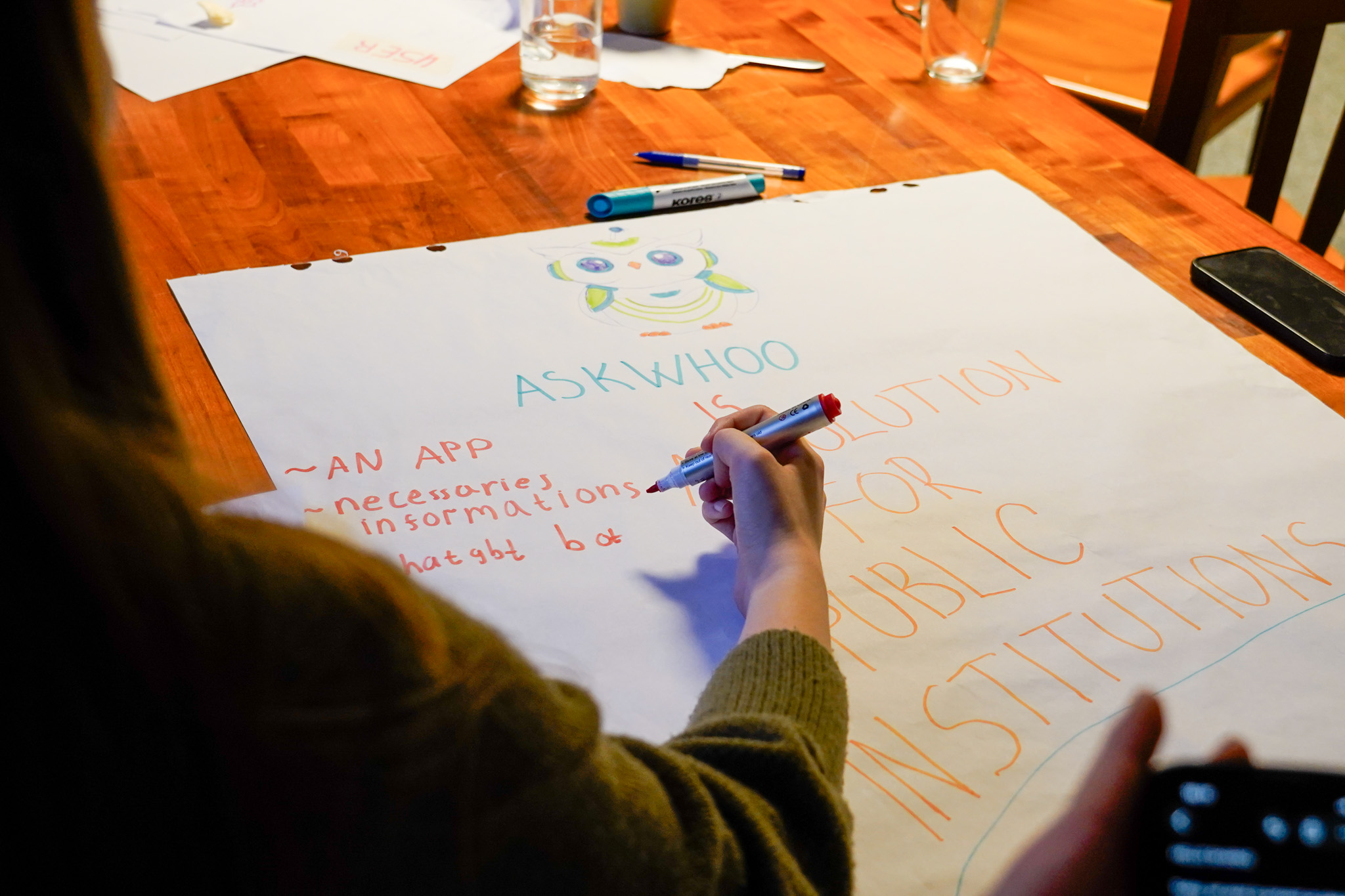
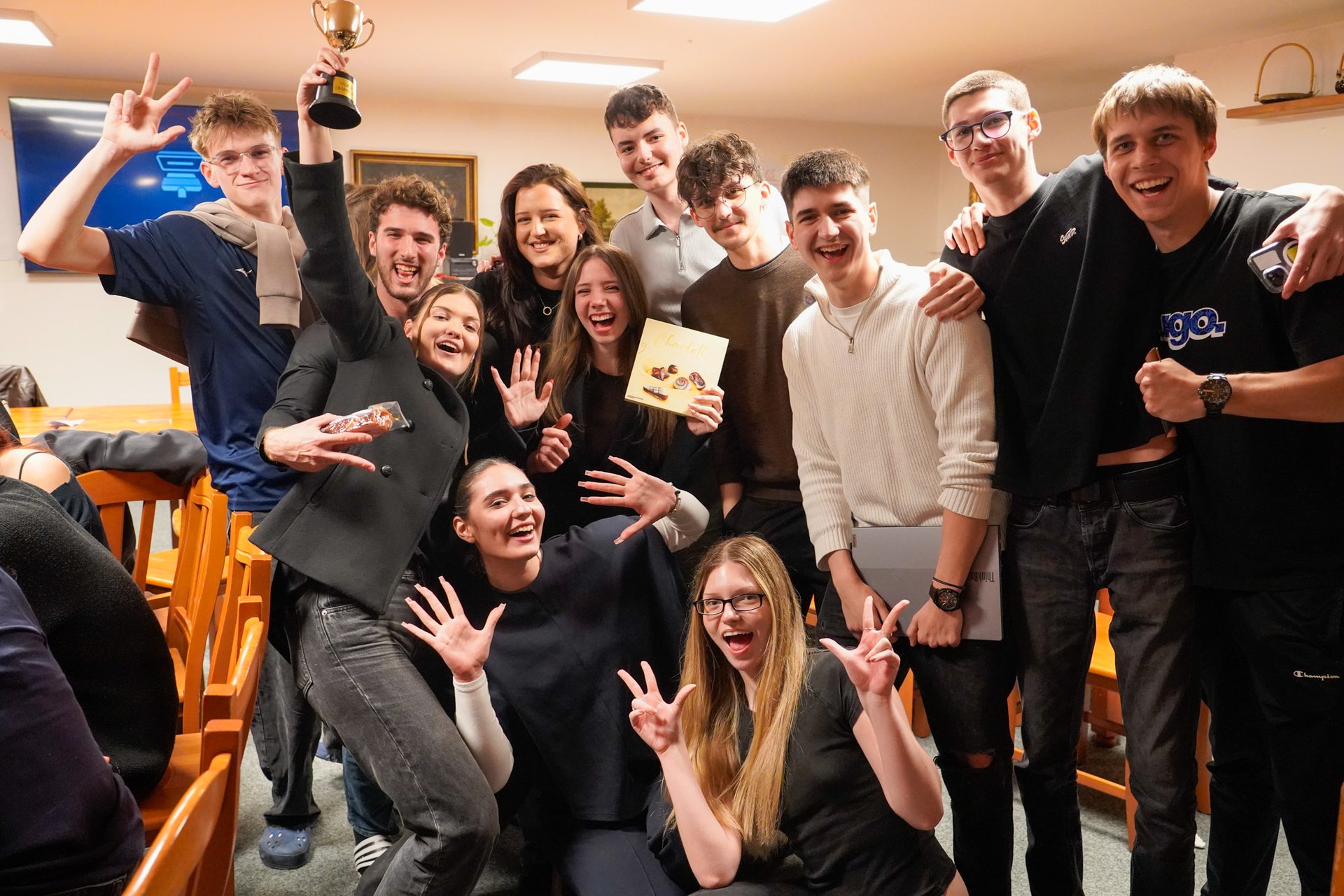
Pitching the Impossible
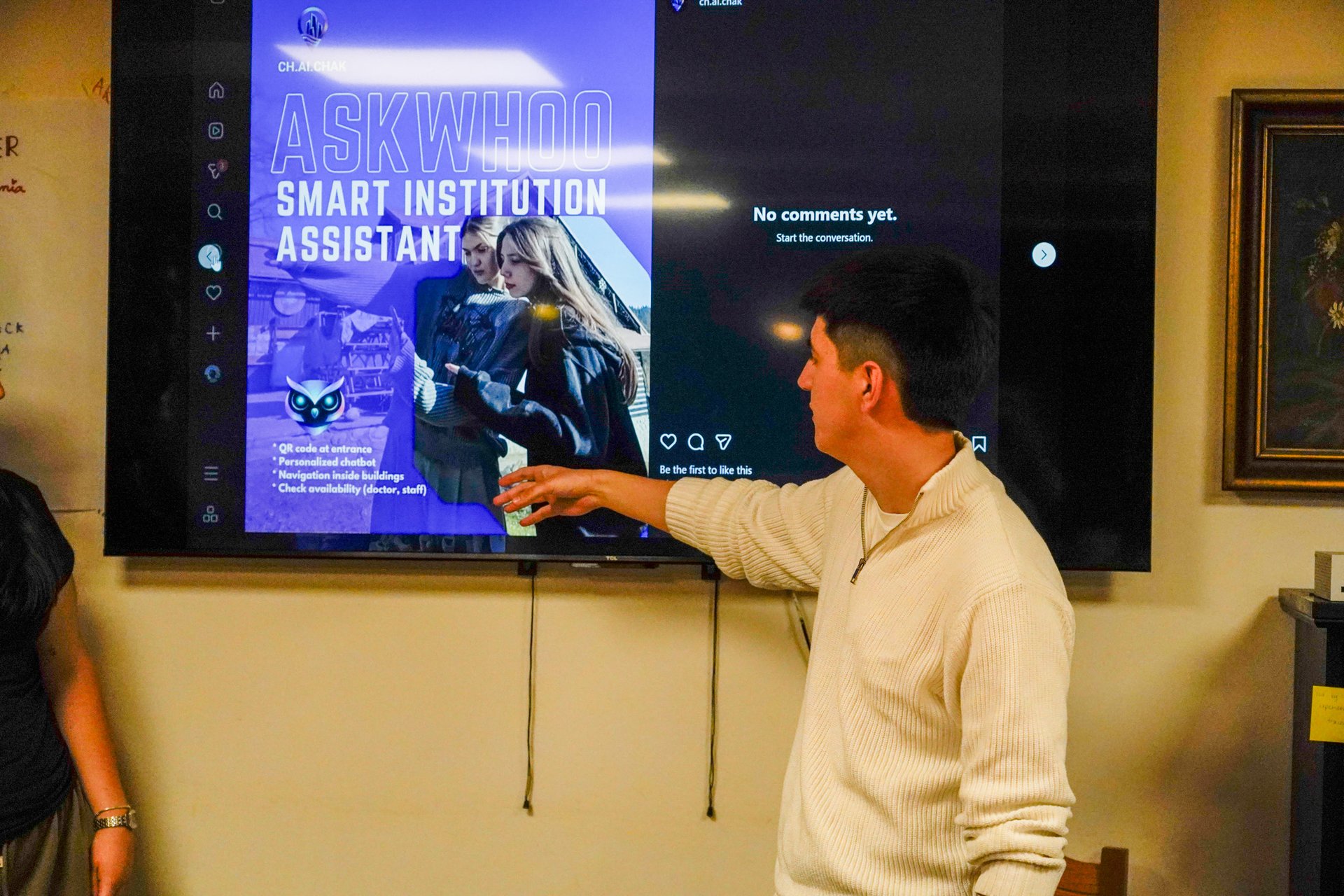
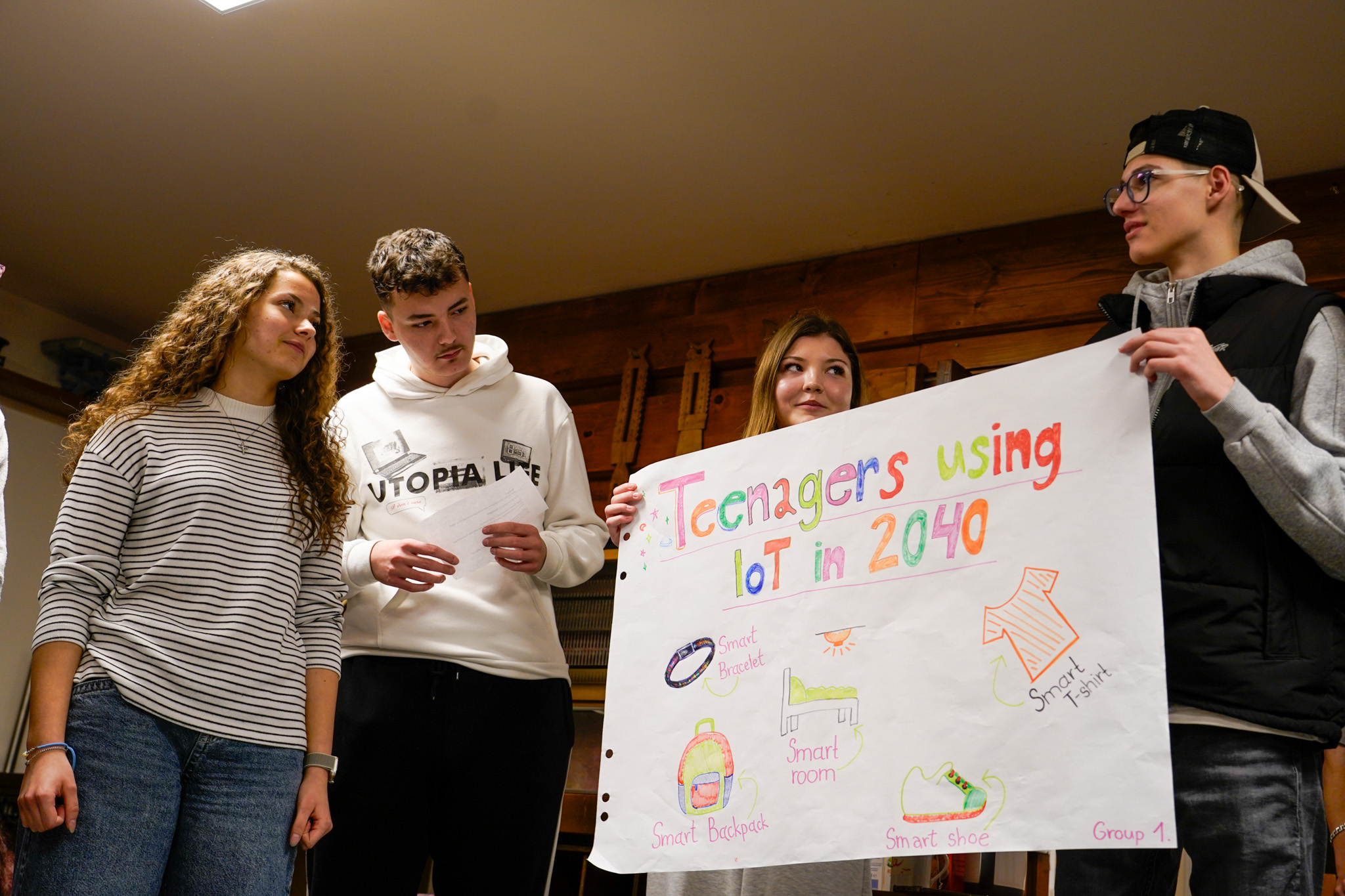
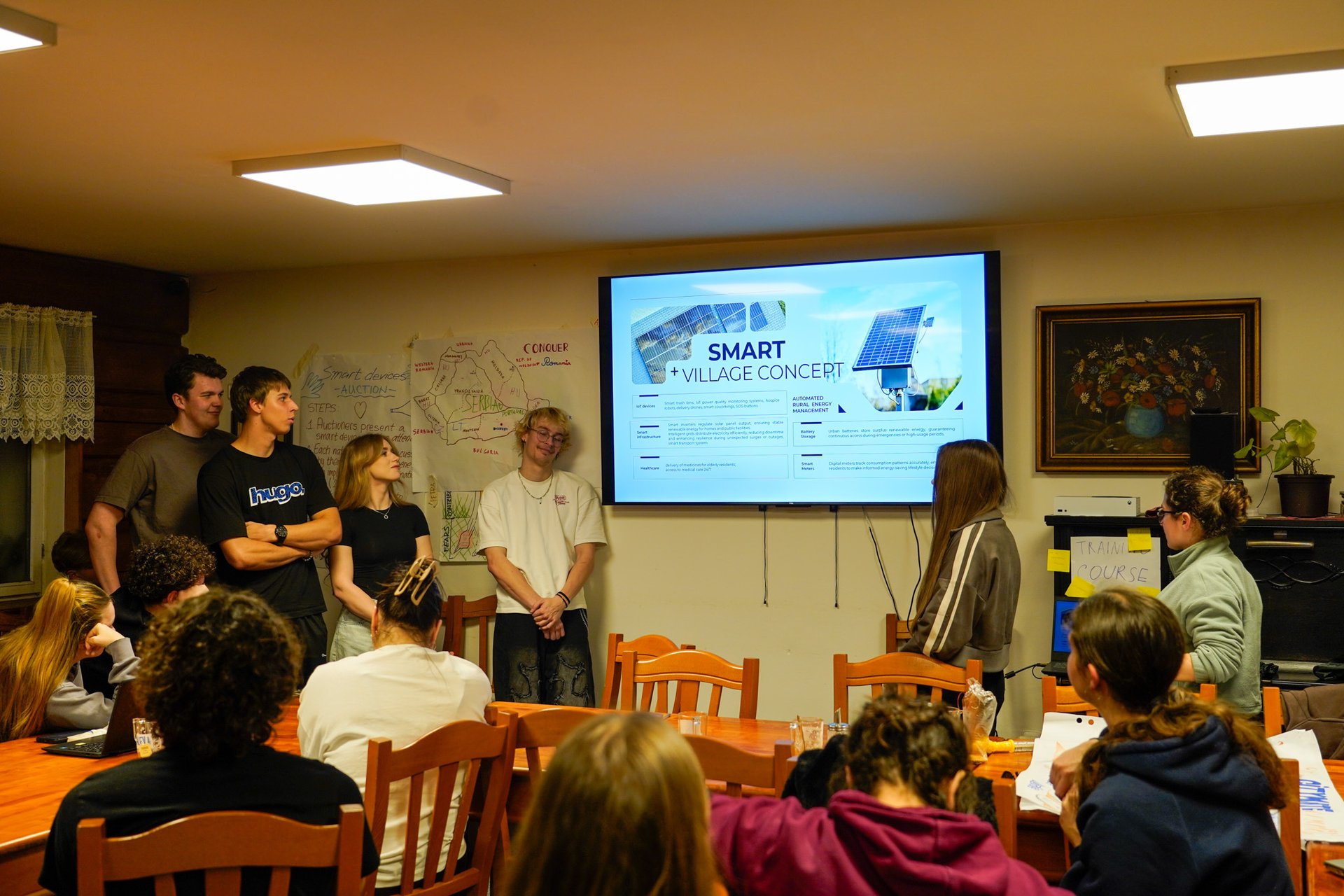
The startup pitches were the most theatrical example. Teams invented connected products, worked them into presentations, and pushed them through three rounds of scrutiny, from accessibility tools to gadgets nobody knew they needed until the pitch made the case. A Smart City Hackathon raised the stakes from one product to a whole city: given free rein, what would your ideal digital city actually run on, and what would you refuse to let it collect?
Both formats forced the same discipline. A pitch collapses the moment the team behind it cannot explain how their sensors, data, and decisions connect, so the technical understanding had to be real before the showmanship could work.
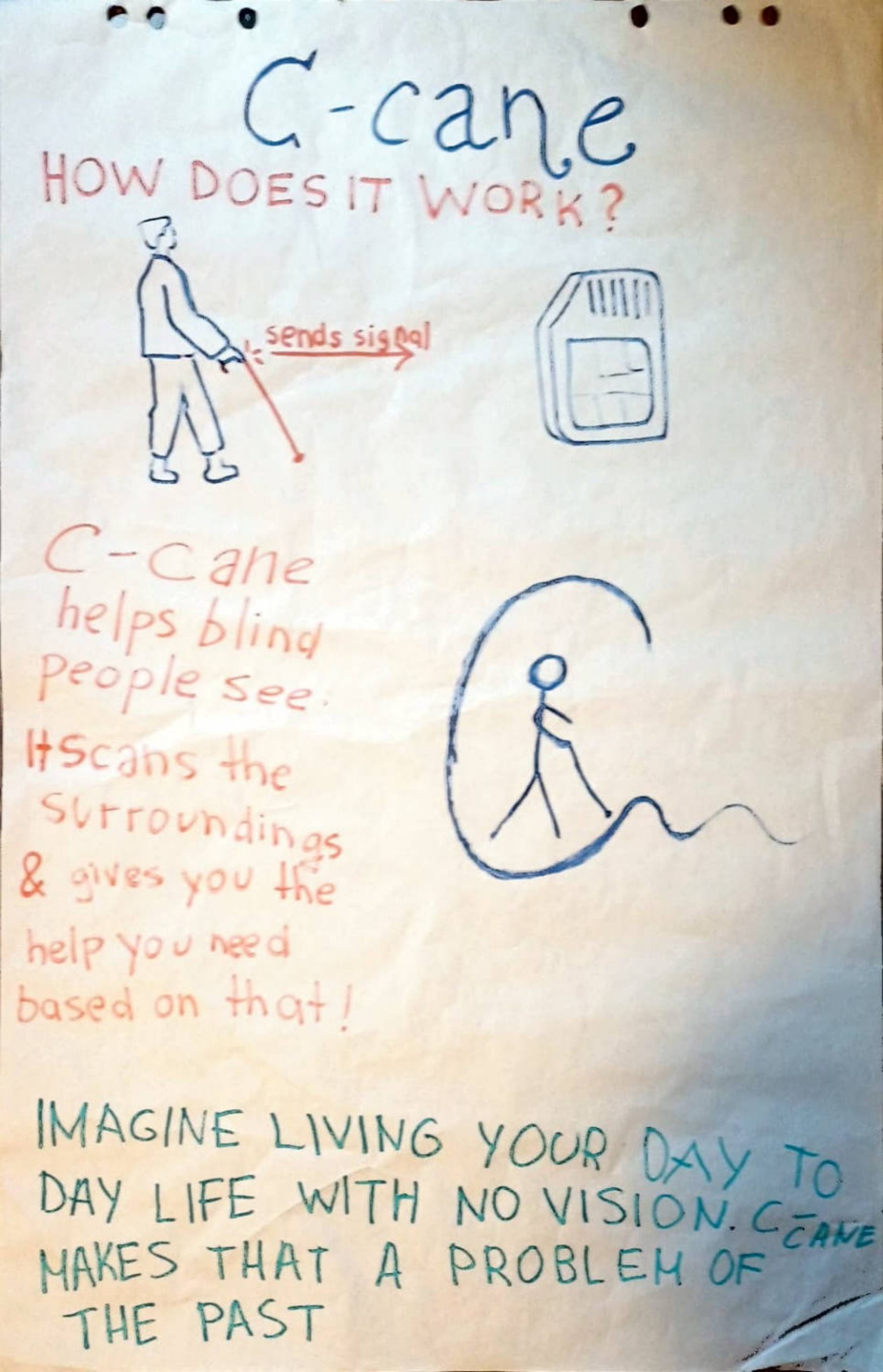
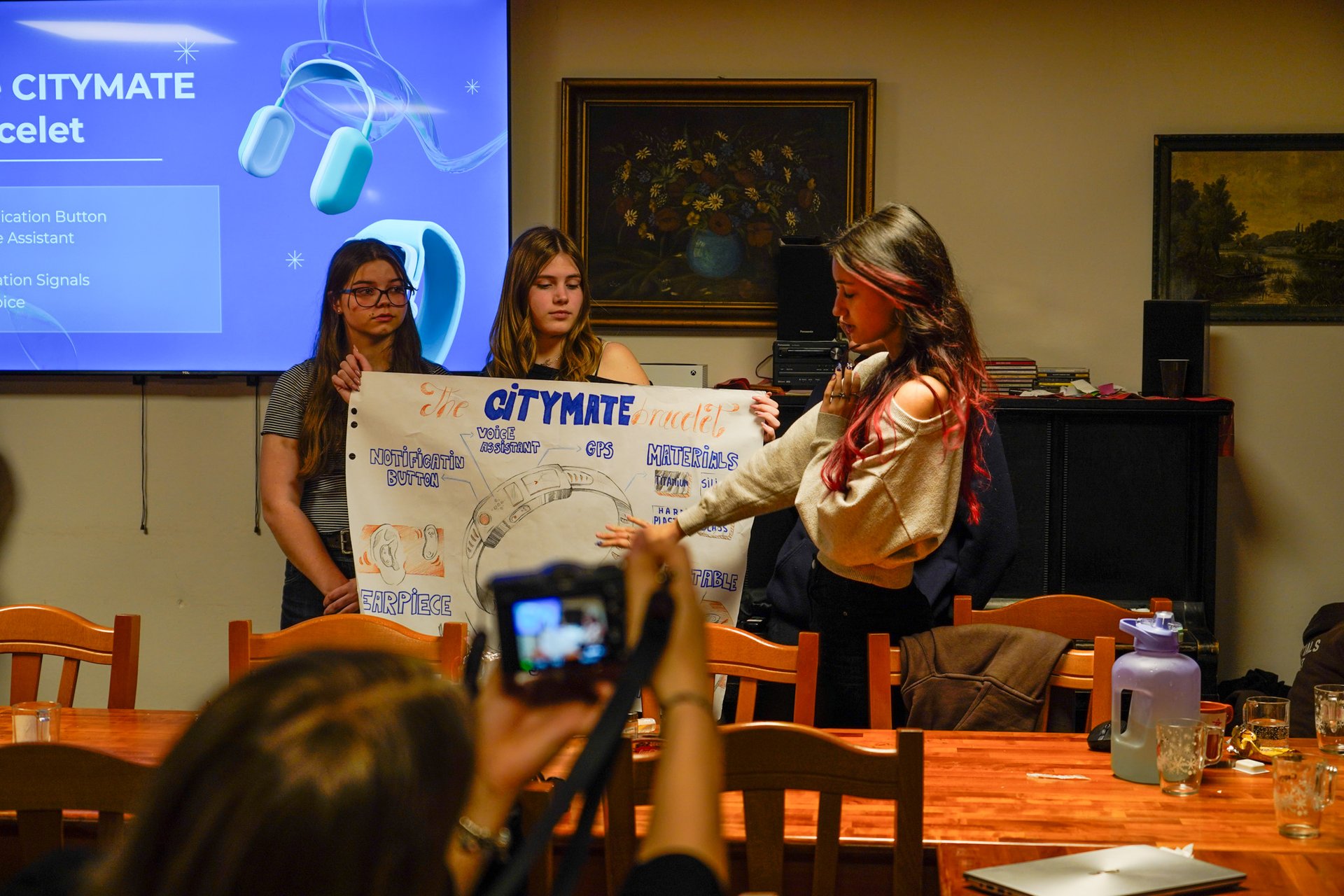
Challenges With a Countdown
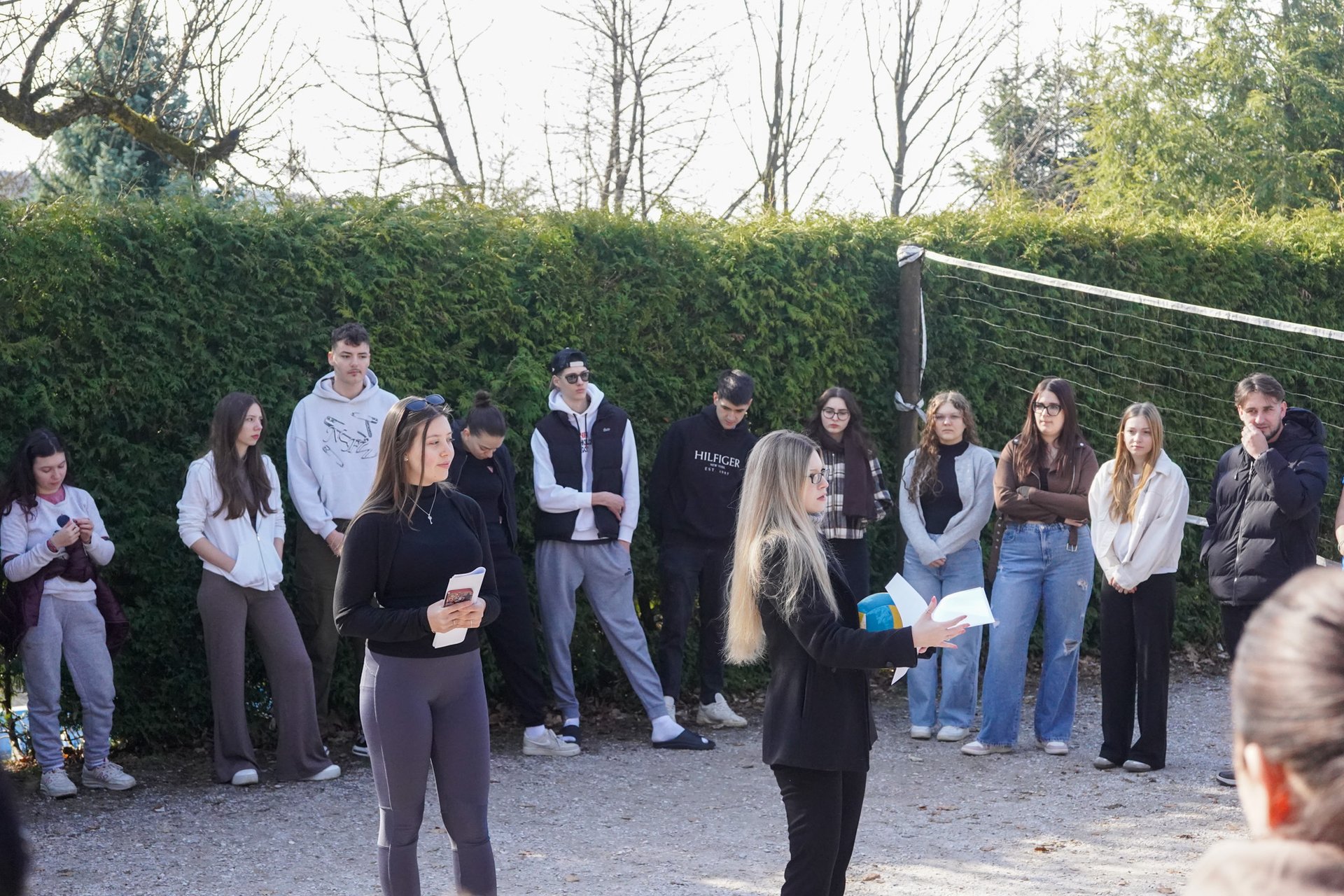
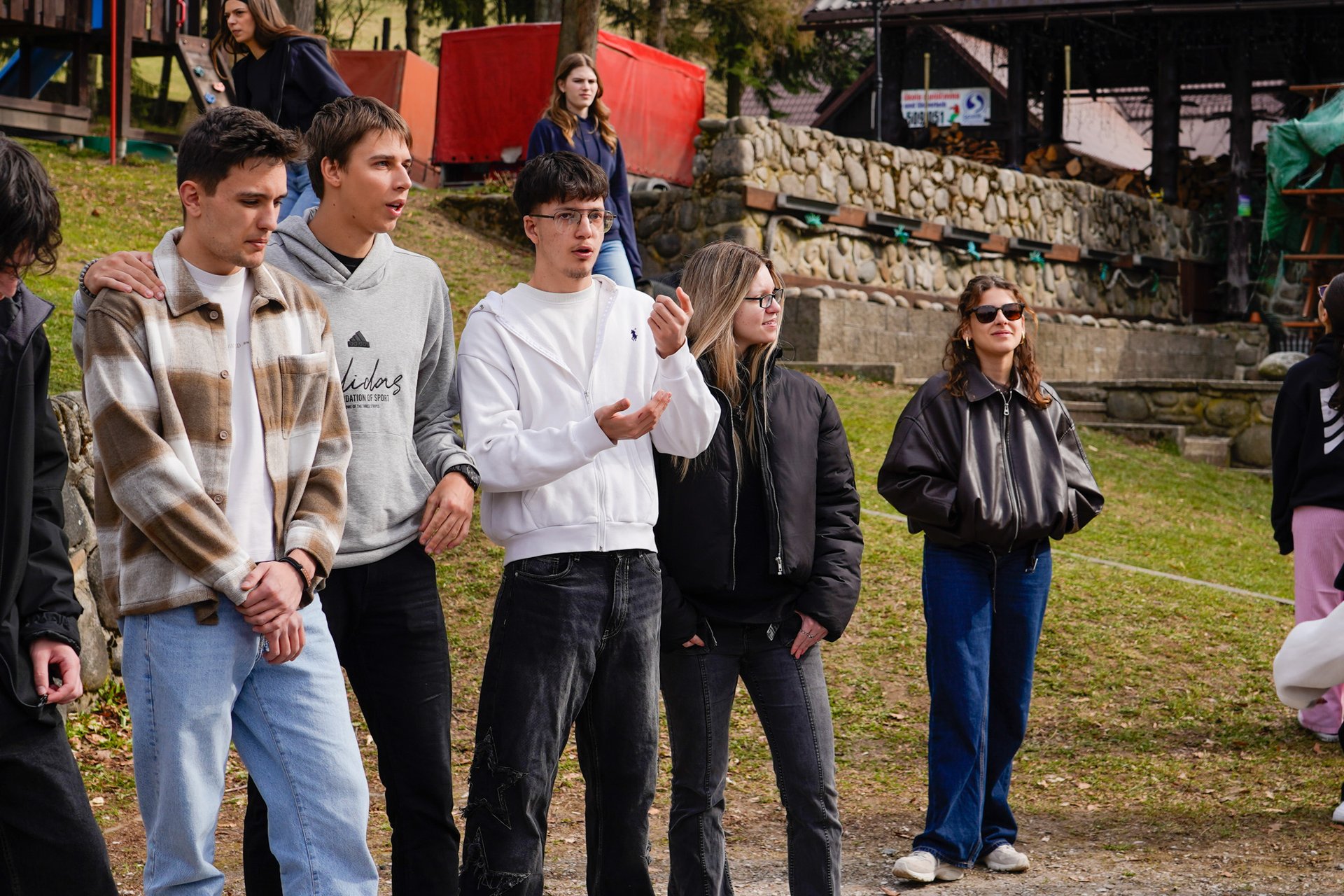
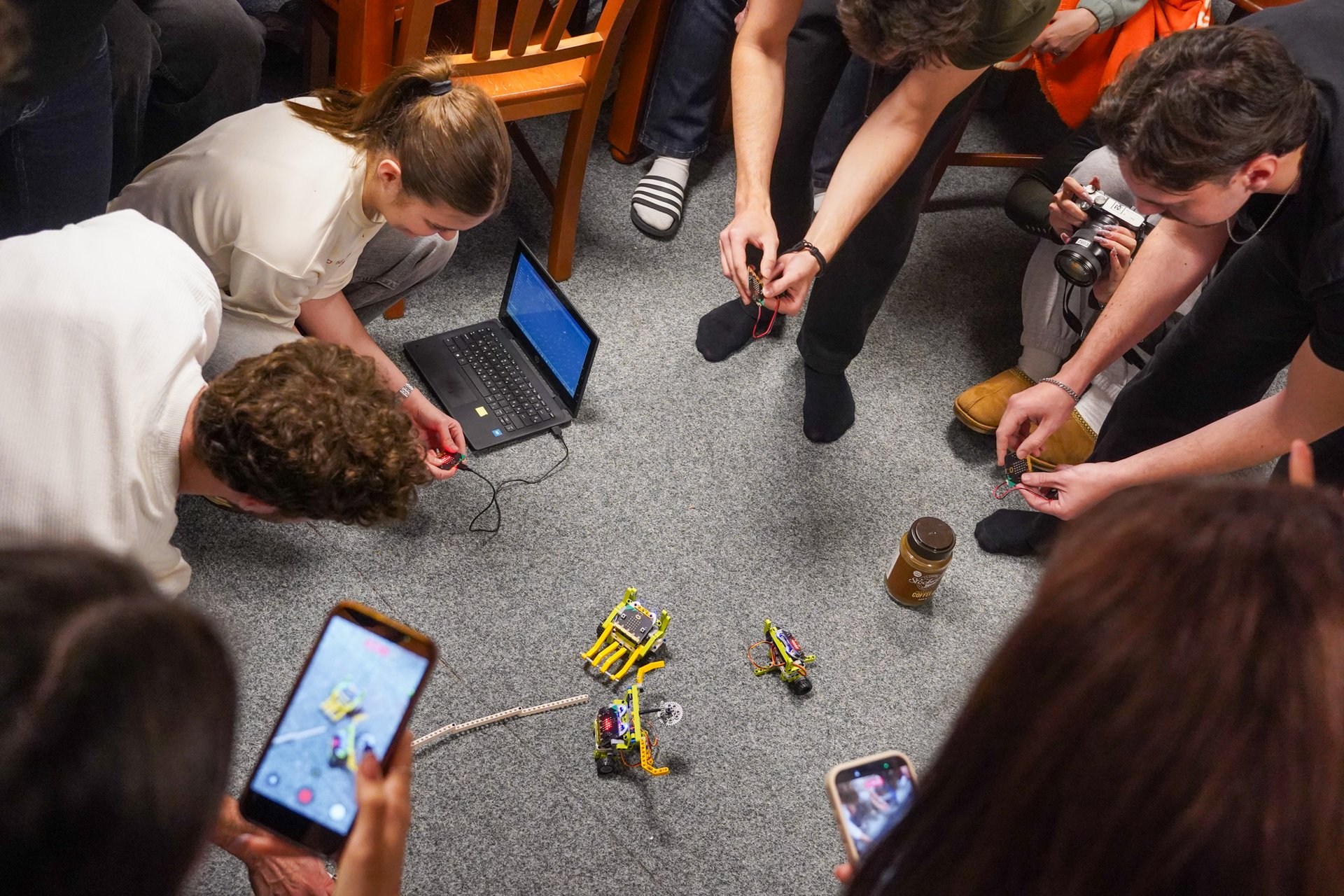
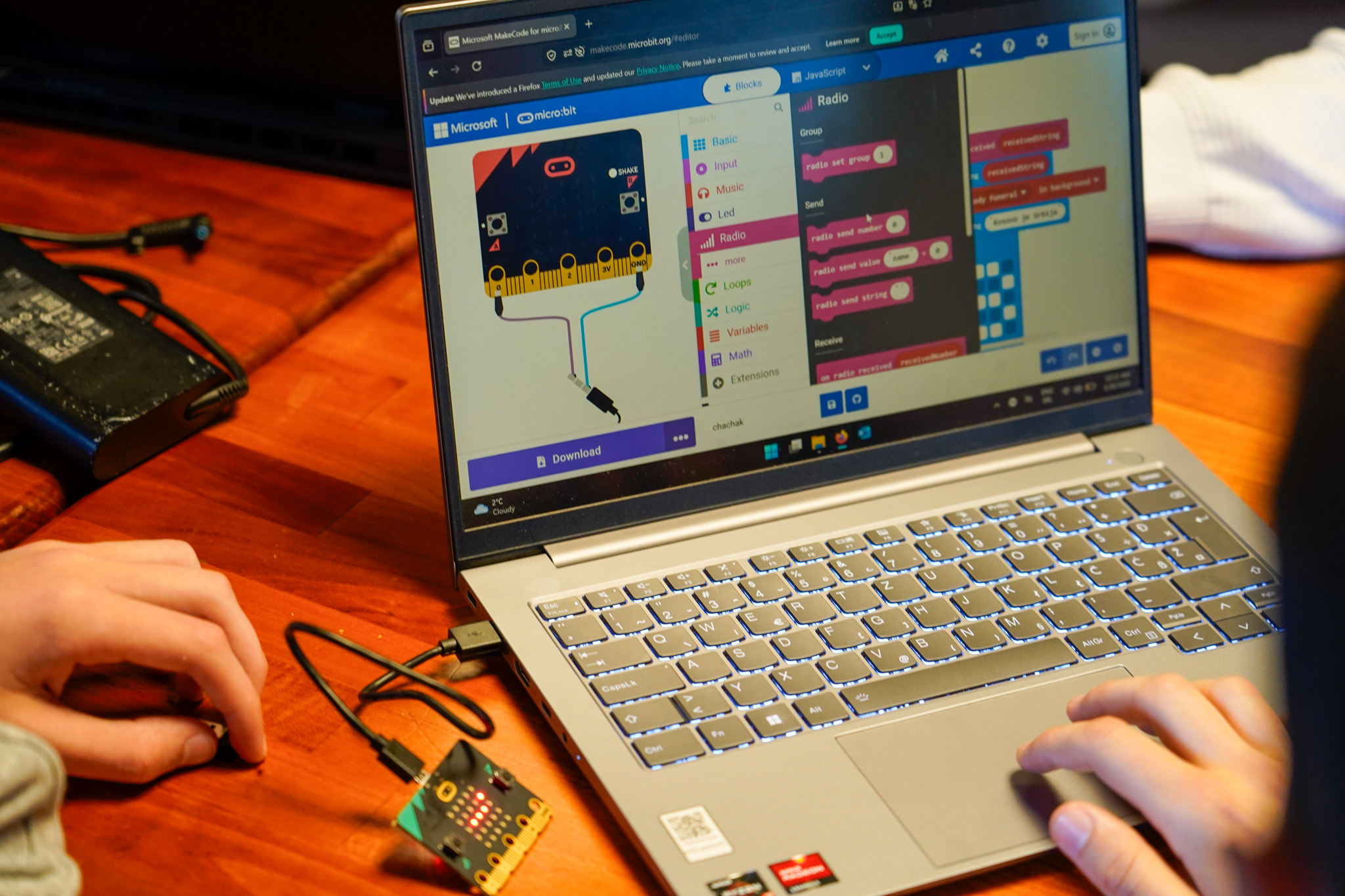
The competitive thread ran through the whole programme. Early on a Chain Reaction Challenge had teams engineering cause and effect with their own hands. Later an IoT Treasure Hunt sent them racing to apply what the morning sessions had covered, and an IoT Question Relay Challenge did the same at sprint pace, one question at a time. Even a Crisis Management Theatre Play worked like a game: a technology failure, a team, an audience, and no script.
The countdown format did something a lecture never could. Under time pressure nobody can pretend to understand, and every gap in a team’s knowledge became visible, discussed, and usually fixed by the next challenge.

Putting a Name on What Was Won
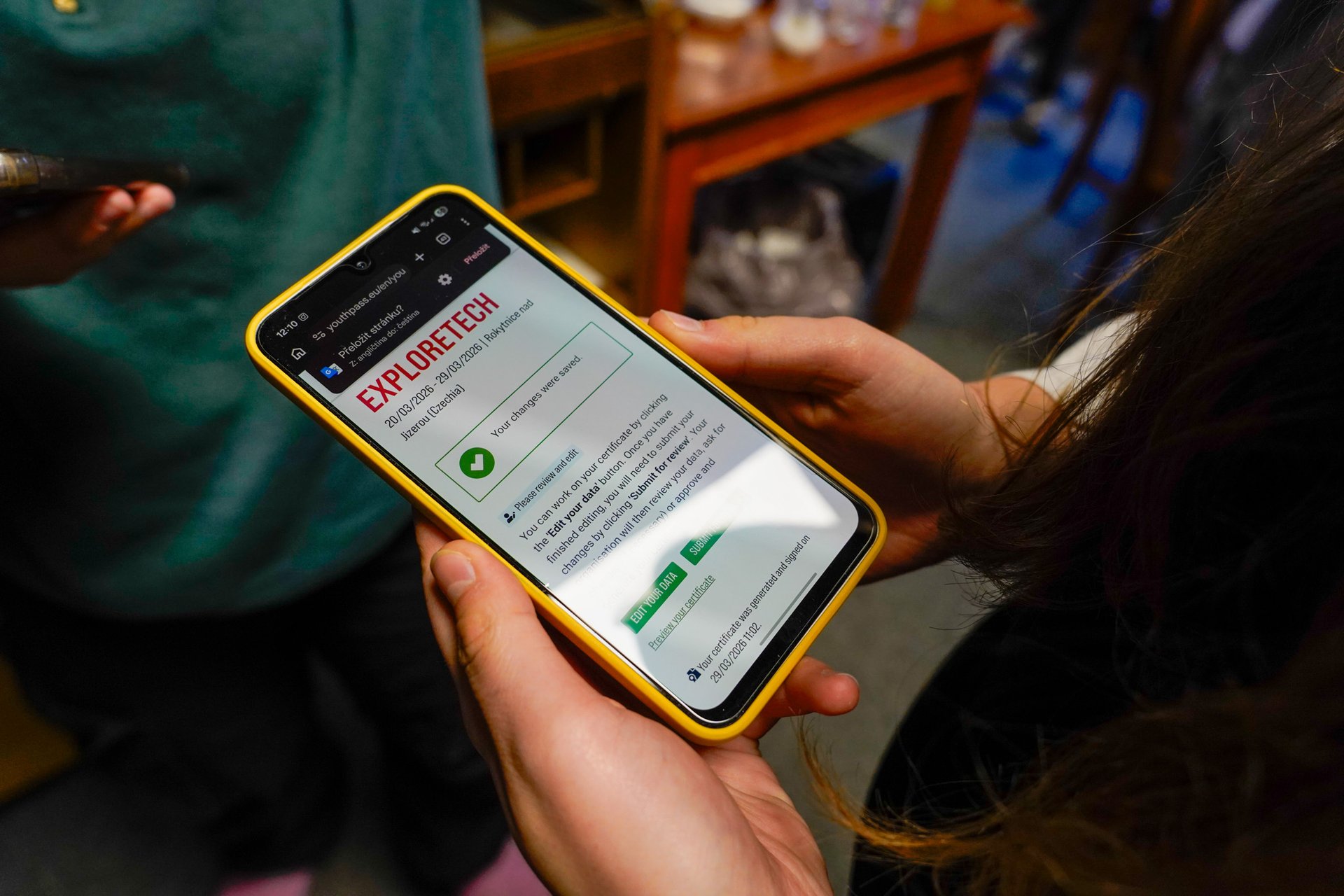
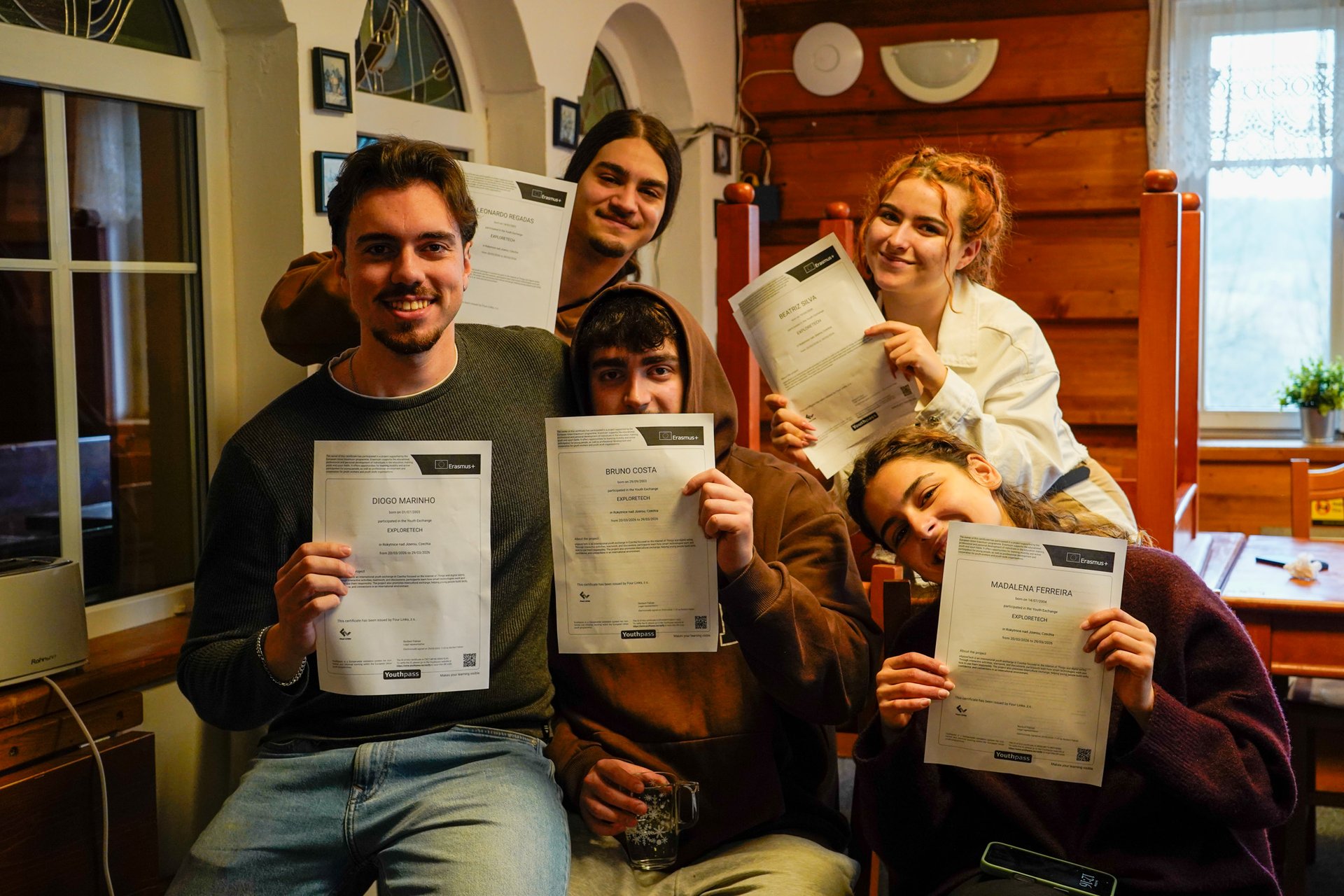
Between the games, the programme made space to count the winnings. A session on the Youthpass certificate and the eight key competences walked our participants through the vocabulary that turns those challenges into something a school or an employer can read: which competences the pitching trained, which ones the teamwork built, which ones the debates in English sharpened. Another session, Exploring European Opportunities, mapped where a first youth exchange can lead next.
For our participants, most of them at high-school or university age, this was the quietly practical part of the exchange. The Youthpass they received on the final day names competences they can point to long after the challenges themselves fade.
Beyond the Competition
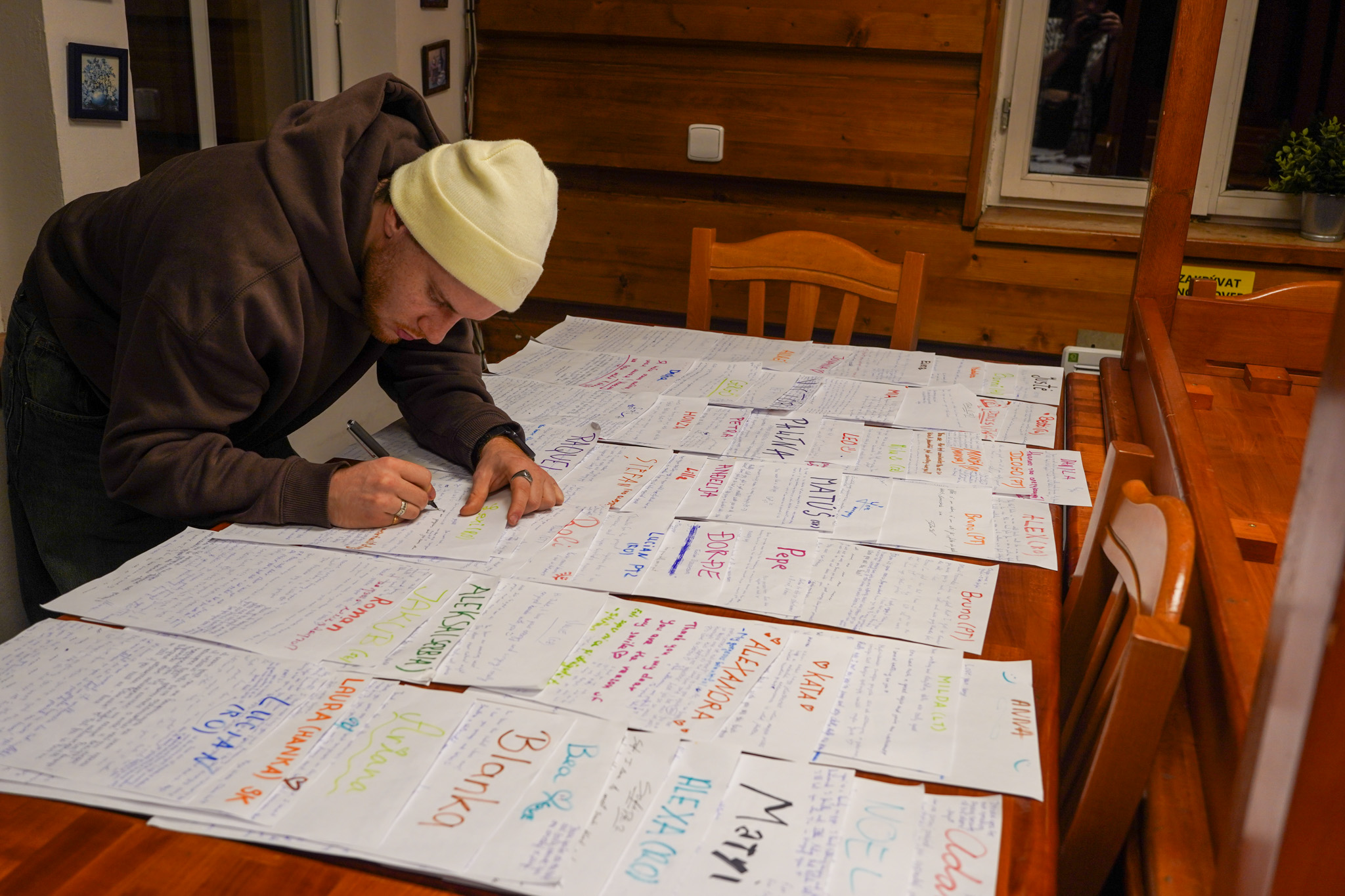
A compliment box stood in the room through the whole exchange, and every evening, before the night programme, its notes were read out: anonymous messages between people who had been strangers at the start. Day by day, our participants heard themselves noticed, helped, and appreciated by peers from six other countries. At the very end, each person set a sheet of paper with their name on a table, and everyone else wrote messages straight onto it: a full page of words from the whole group that each participant took home.
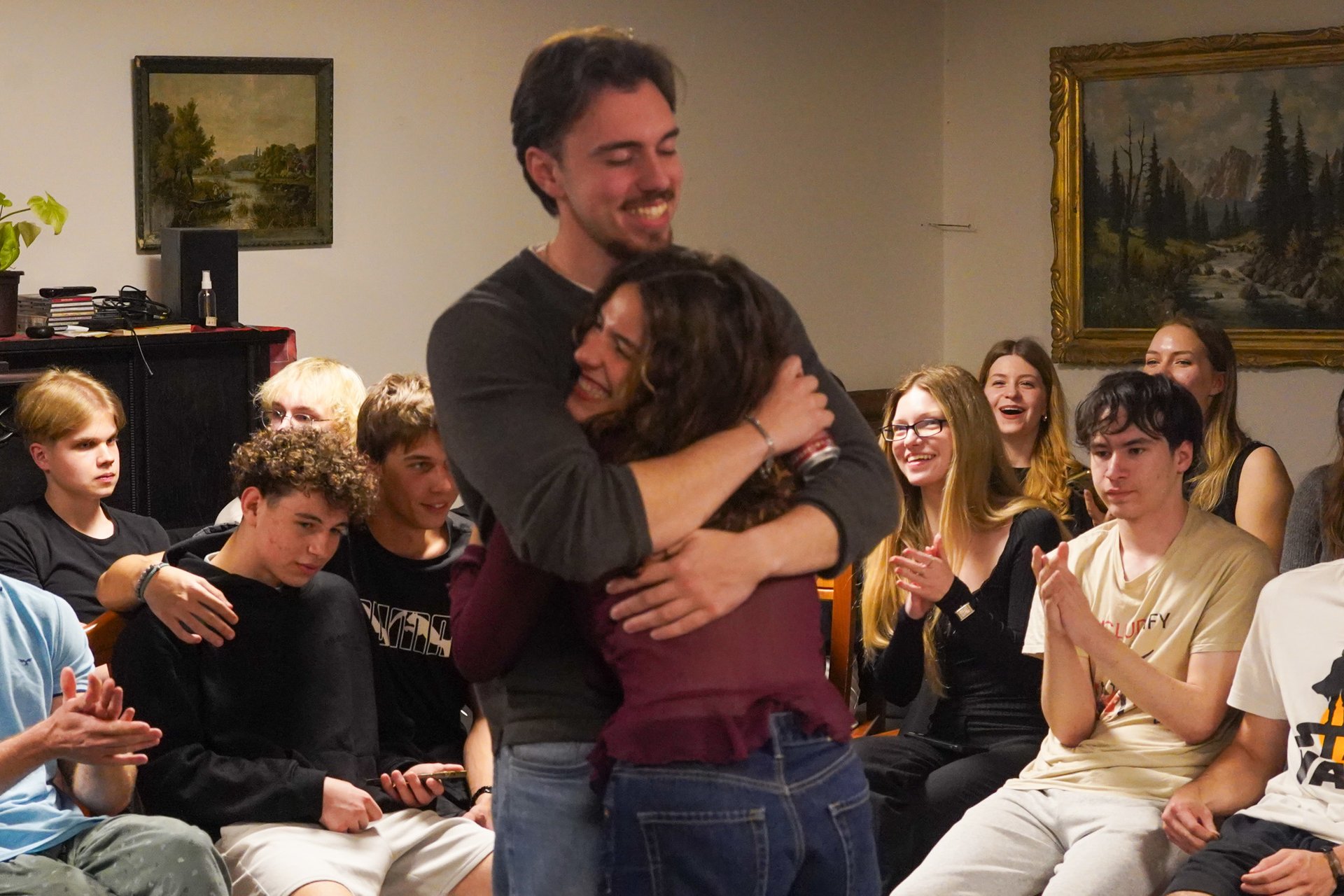
They came back to Slovakia with sharper English, a working understanding of how connected devices collect and use data, and the specific confidence of someone who has defended an idea in front of a full room and won. The exchange took place under Four Links’ Erasmus+ Accreditation, co-funded by the European Union.
Photo Gallery
A few more moments from this activity :)


Check these and more photos in the activity’s photo album.