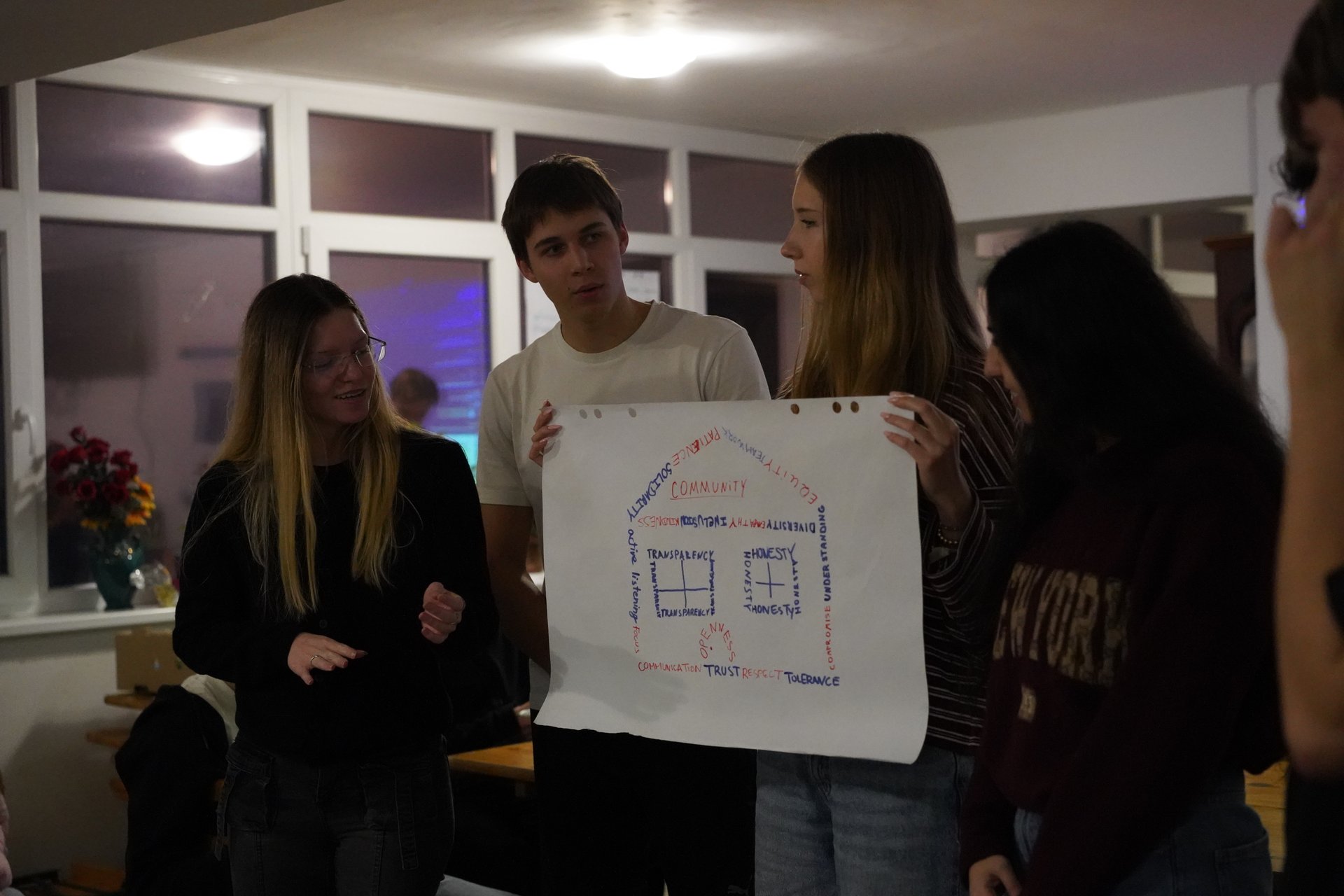
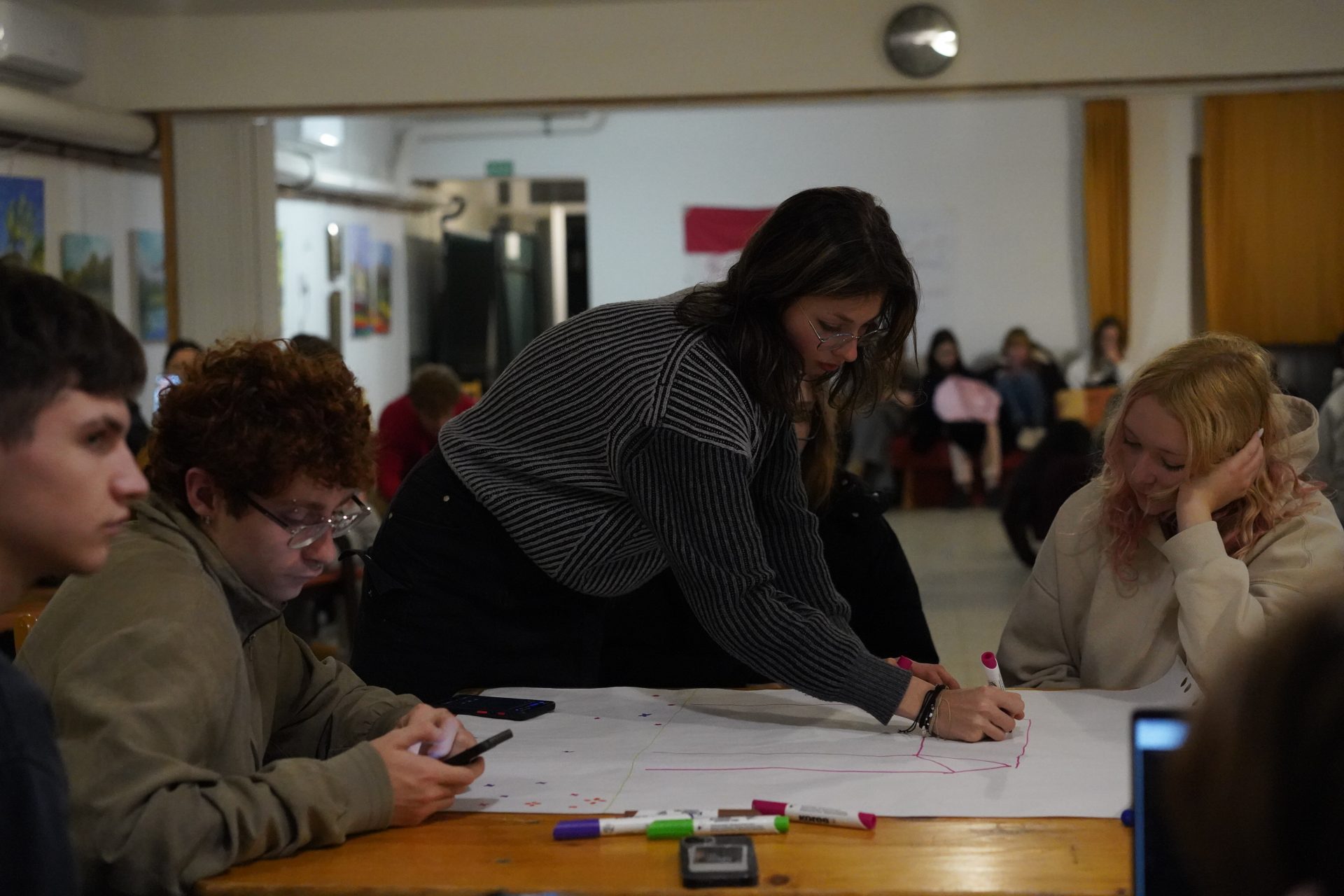
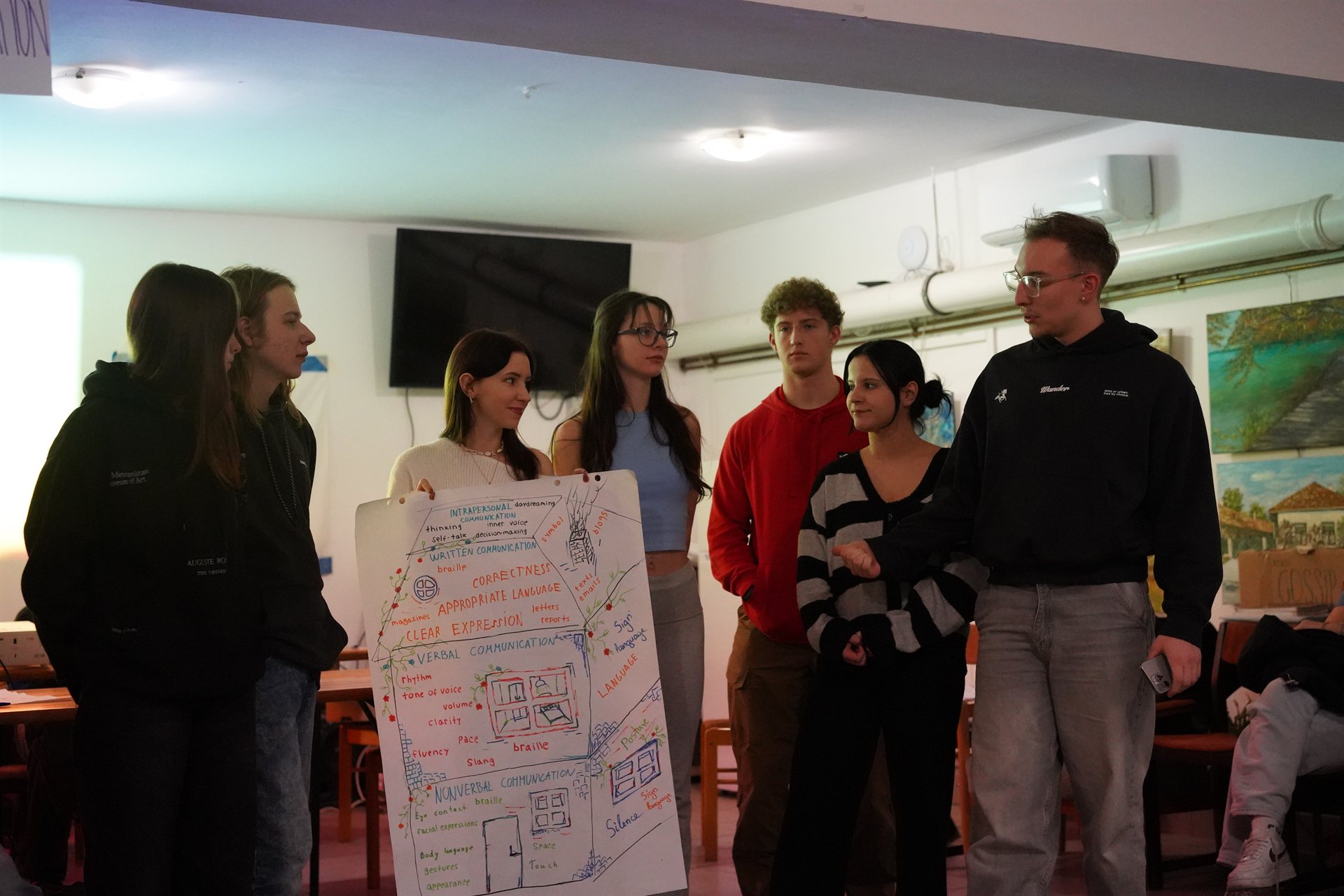
In one of the exchange’s sessions, the whole group sat down to design a “House of Conversation”: a foundation of trust, walls of respect, windows of curiosity, a roof of understanding to hold it all together. It was a drawing exercise, but it ended up describing the ten days better than any summary could.
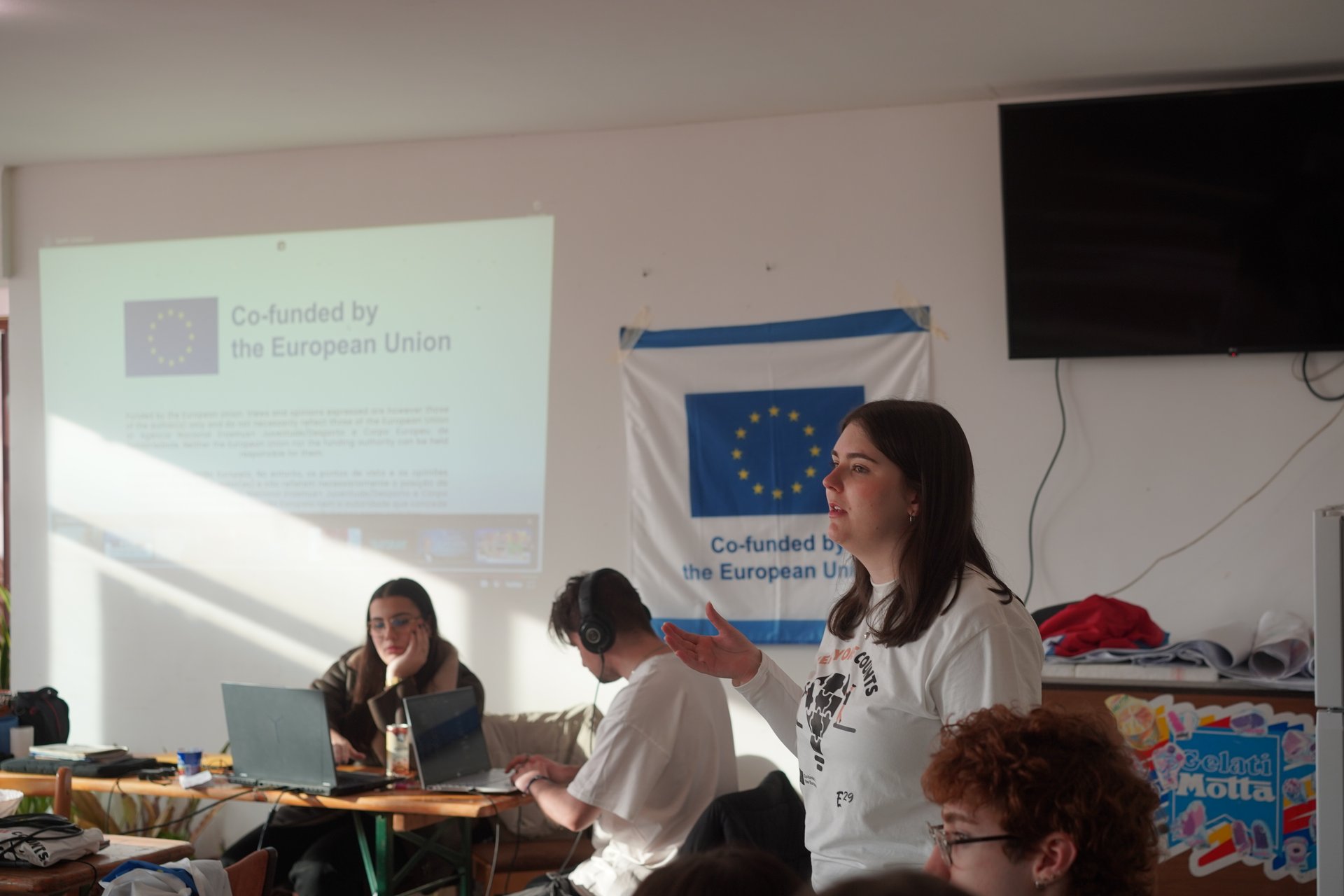
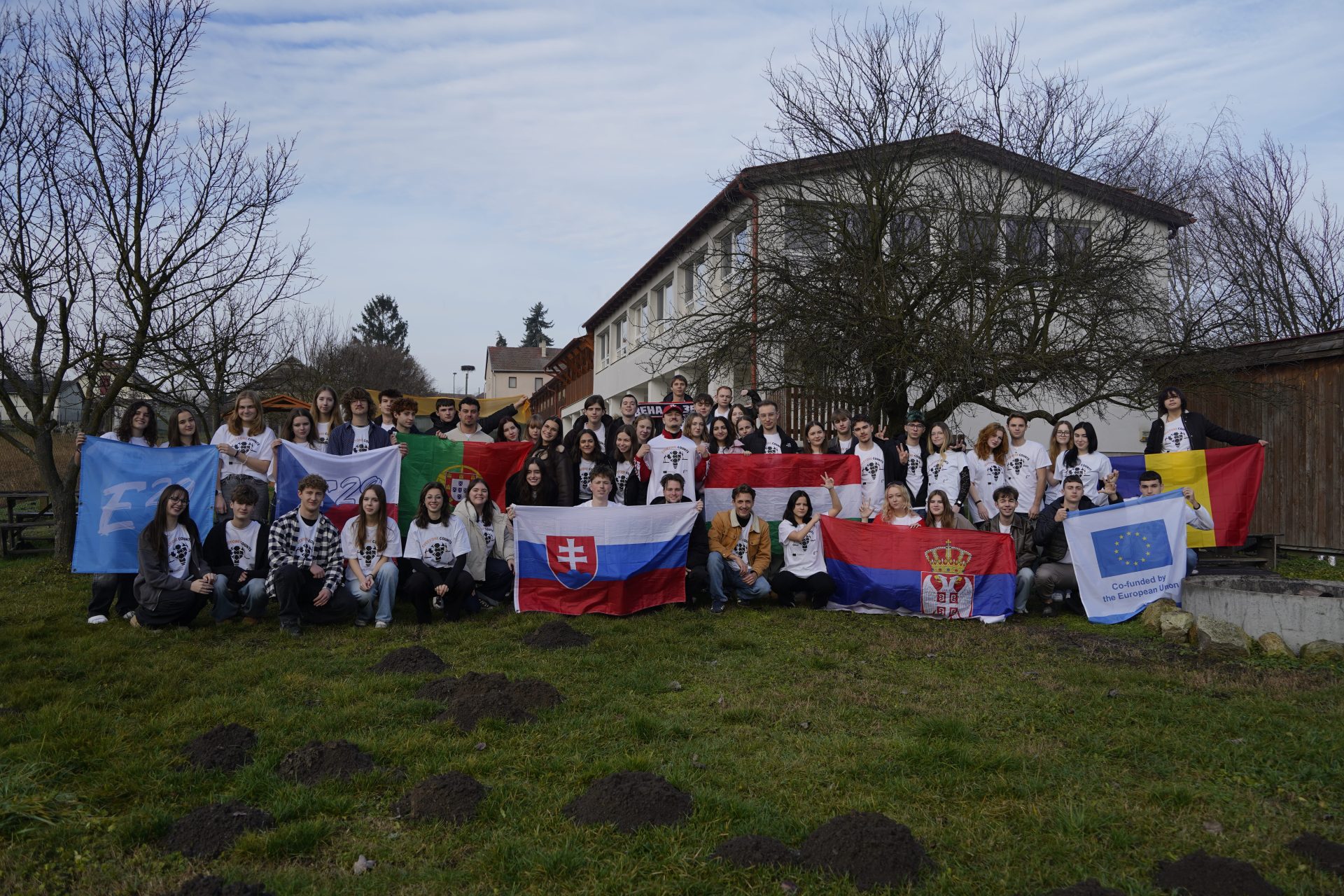
That is where our Slovak group spent the middle of December. We travelled to Bodrogkeresztúr, a small town in northern Hungary, to join Everyone Counts, a youth exchange that gathered young people from seven countries: Slovakia, Hungary, Lithuania, Portugal, Romania, Czechia, and Serbia. Run as part of E29’s Accreditation and co-funded by the European Union through Erasmus+, the exchange asked us a question with no shortcut: what does inclusion actually become once you have to live it, every day, with people you met yesterday?
Laying the Foundation
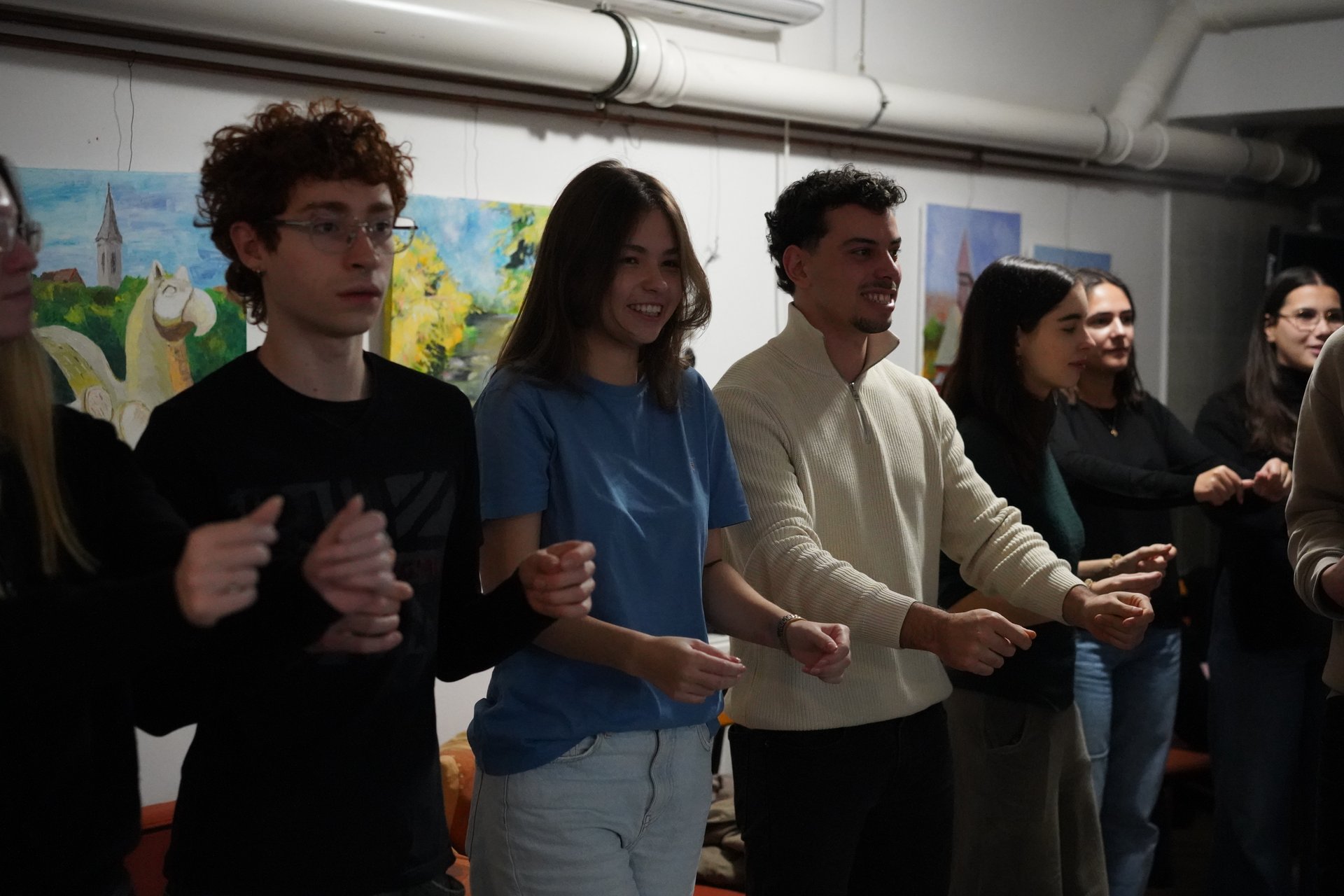
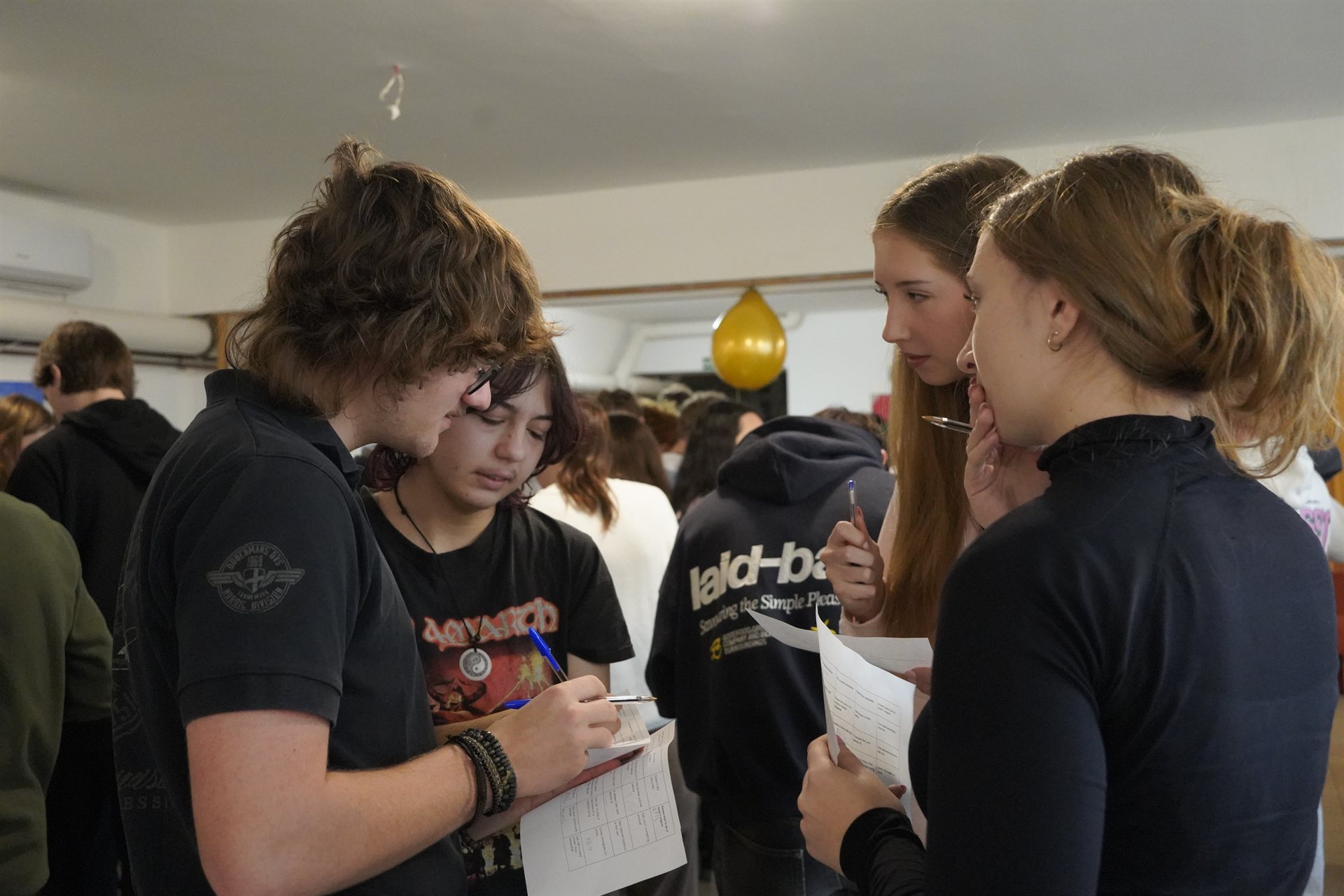
Nothing about the learning looked like a classroom. The exchange ran entirely on non-formal methods, which meant the lessons were folded inside the activities themselves. The first days were all foundation work: name games and human bingo to learn each other quickly, a shared Code of Conduct that every national group helped write and then signed, and a Mentimeter wall where everyone threw in what the word “inclusion” meant to them before any expert had defined it for us.
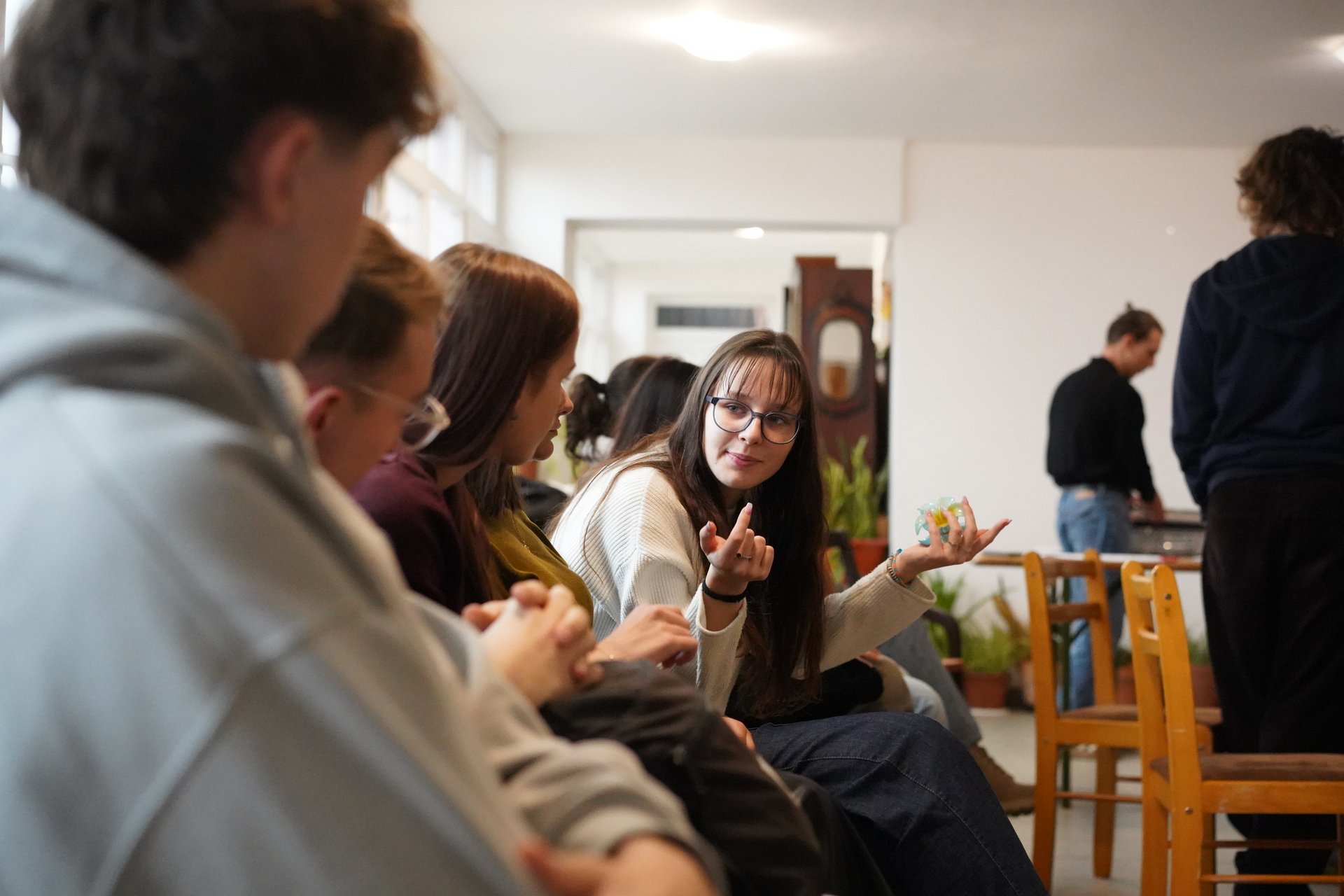
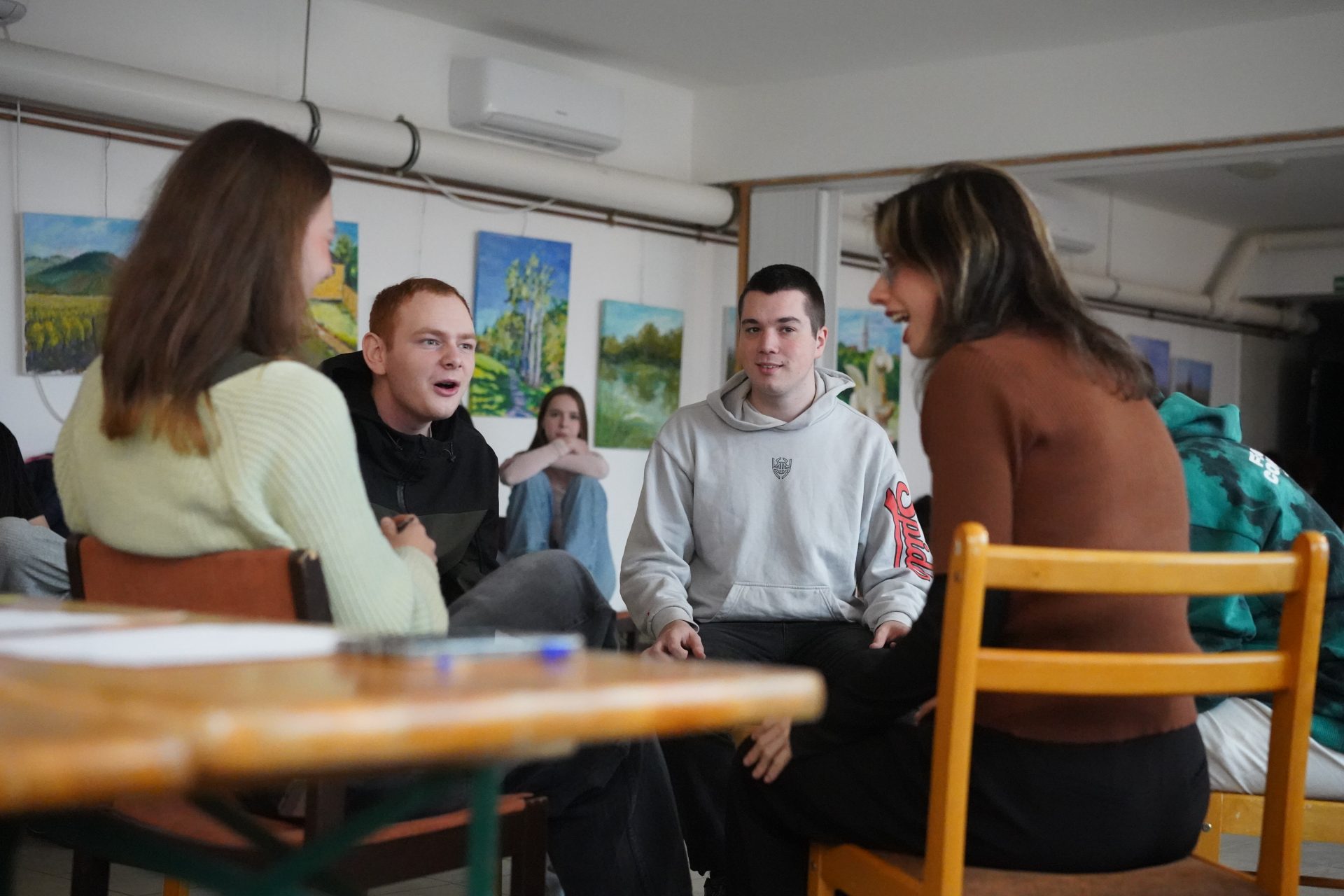
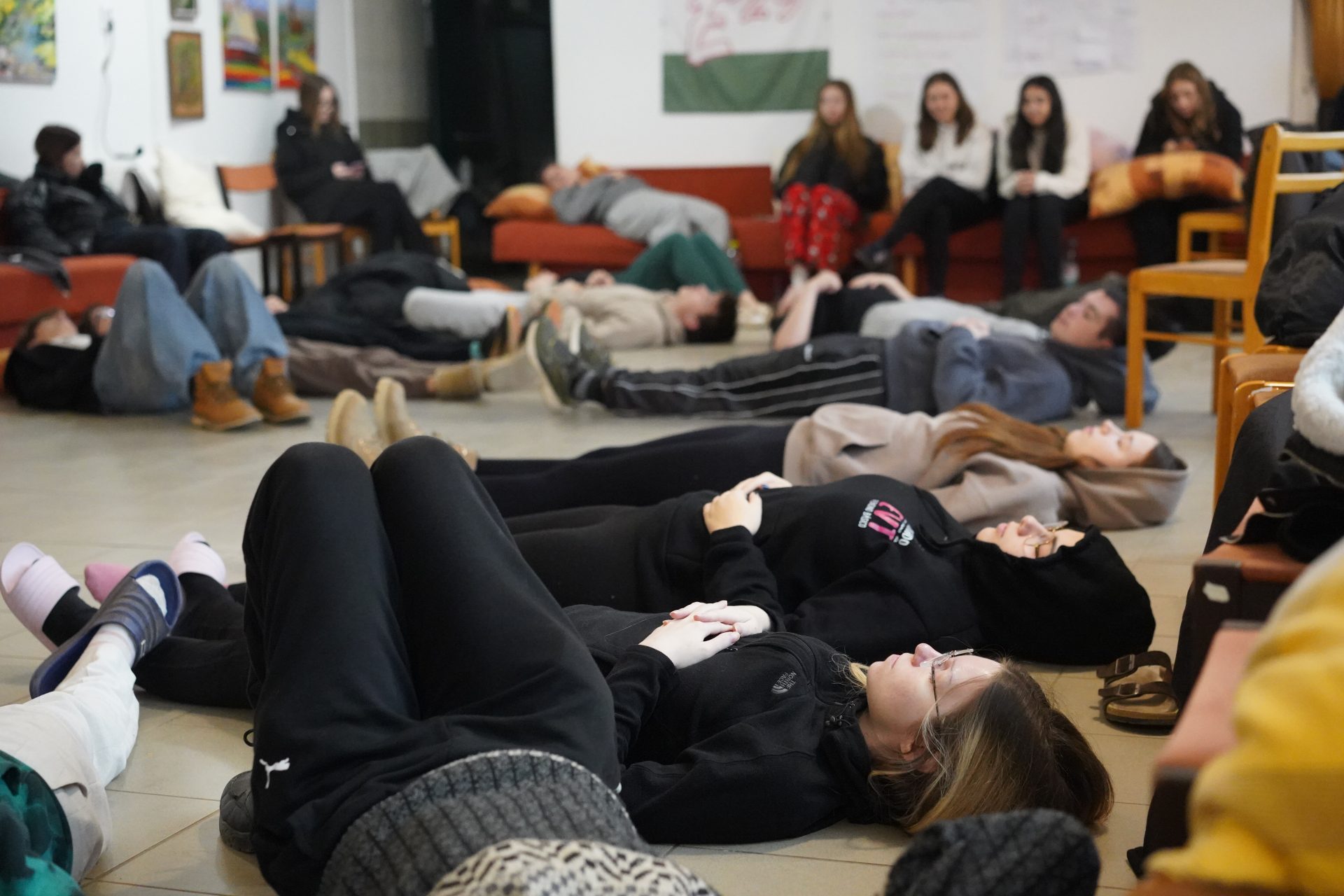
Our team noticed early that talking and being understood are two different skills. A sentence carries far more than its words: it carries tone, upbringing, the language you think in, the joke that only lands at home. An active-listening session made the point physically, with two groups acting the same scene, one listening properly and one not, so the difference was impossible to miss. The quiet skill underneath everything, we kept finding, was listening without rushing to reply.
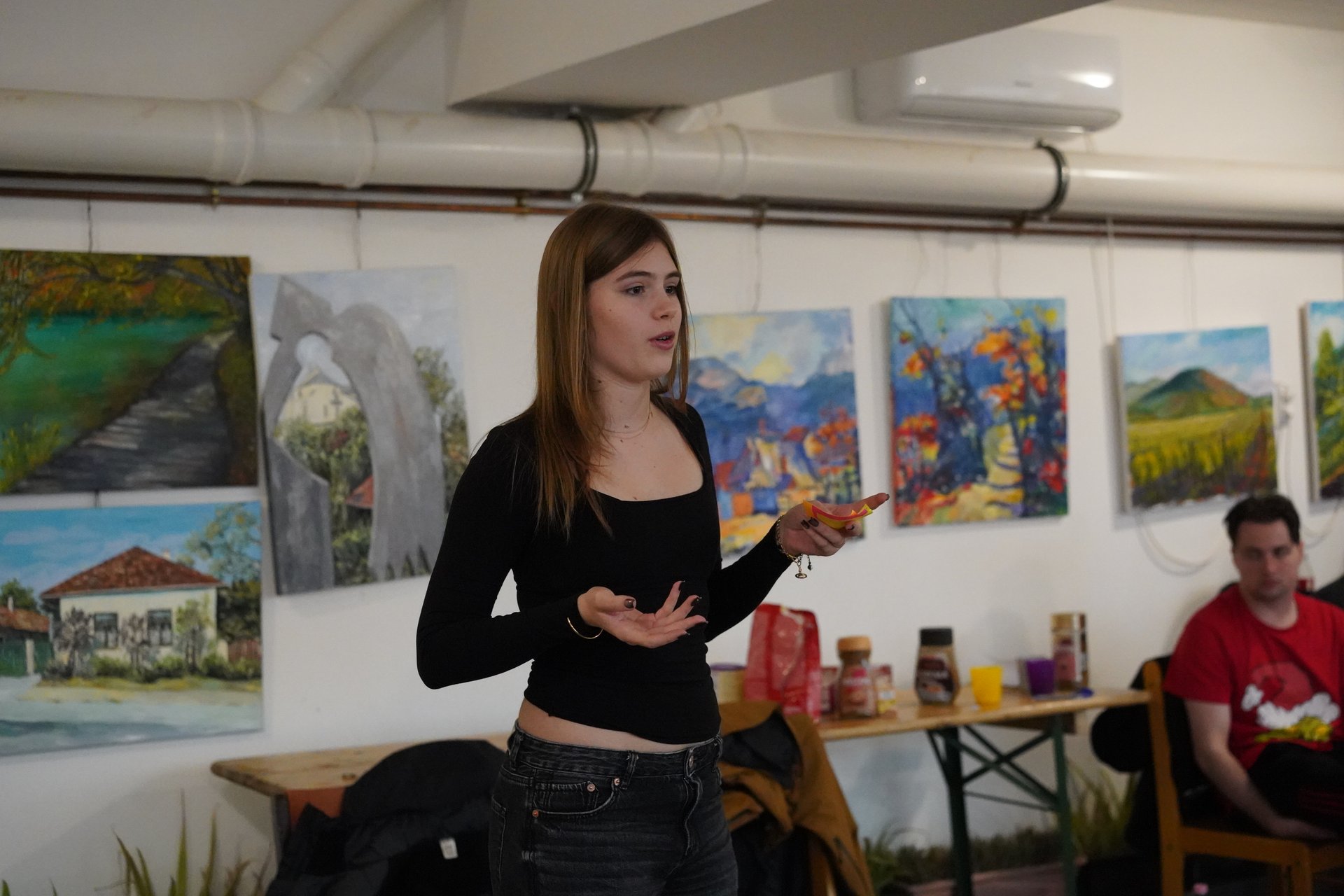
Where the Walls Went Up
A house needs walls, and walls take effort. Put seven nationalities on one task and every hidden assumption rises to the surface, which is exactly what makes a mixed international group such a sharp teacher.
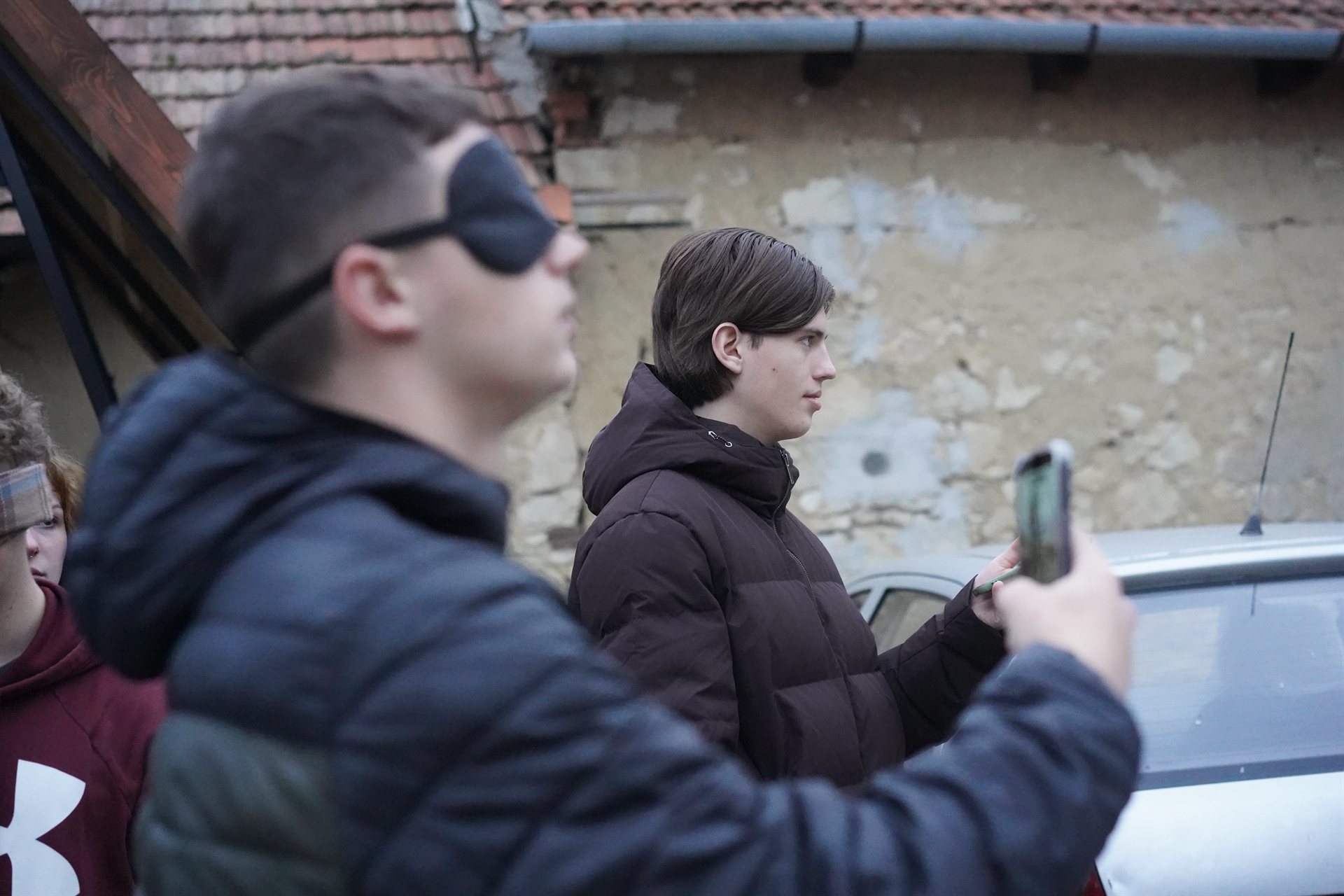
When differences showed, we did not paper over them. A forum-theatre session on standing up for others let us replay difficult scenes and step in to change them. An exercise called “Take a Step Forward” lined everyone up and read out statements about feeling welcome or left out, and the gaps that opened between us said more than a lecture would have. The conclusion our group carried home was plain and useful: an inclusive group is not one that dodges friction, it is one that walks through it together and leaves nobody behind. The tools were small. Rephrase a thought. Hold a pause. Pass the floor to the next voice.
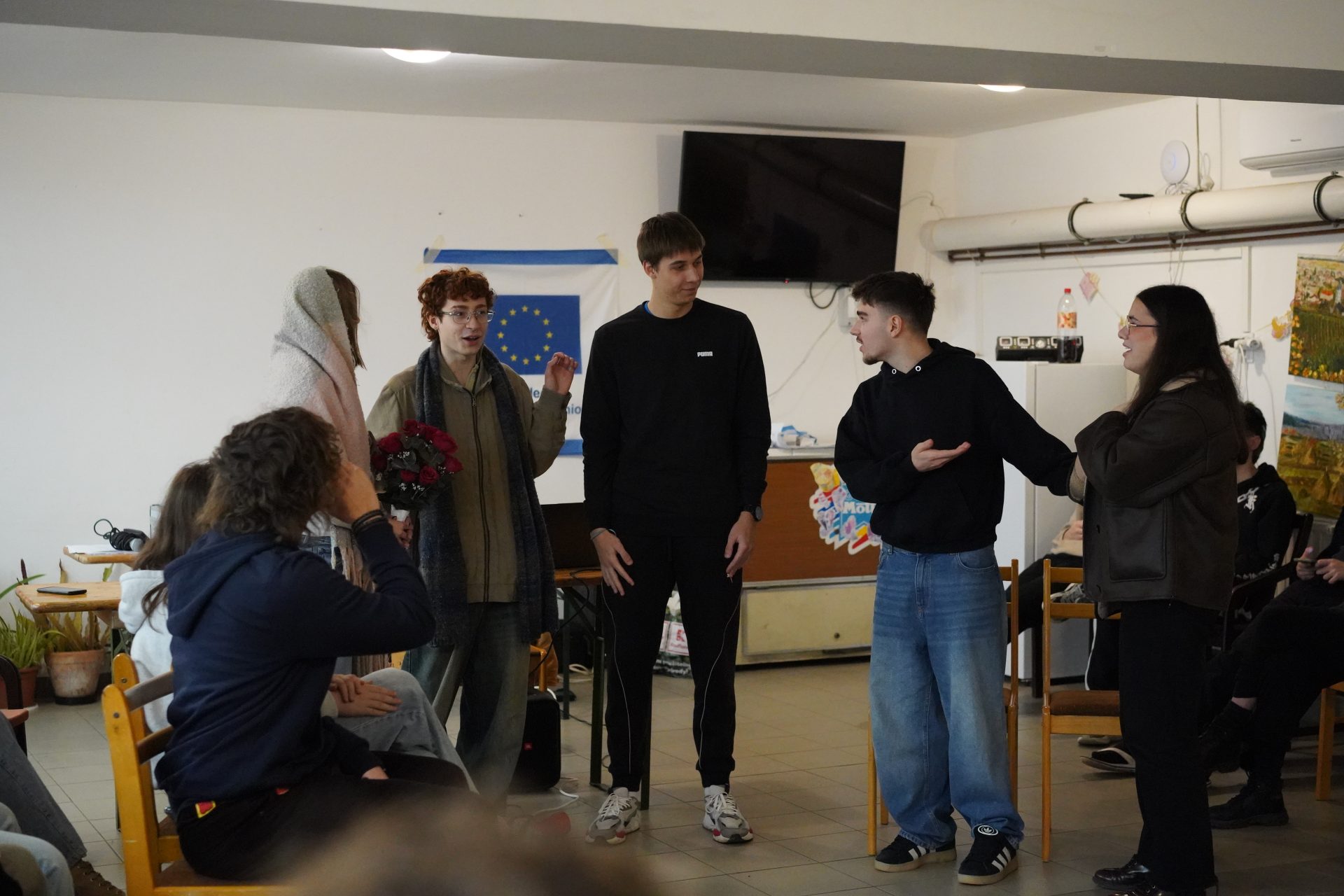
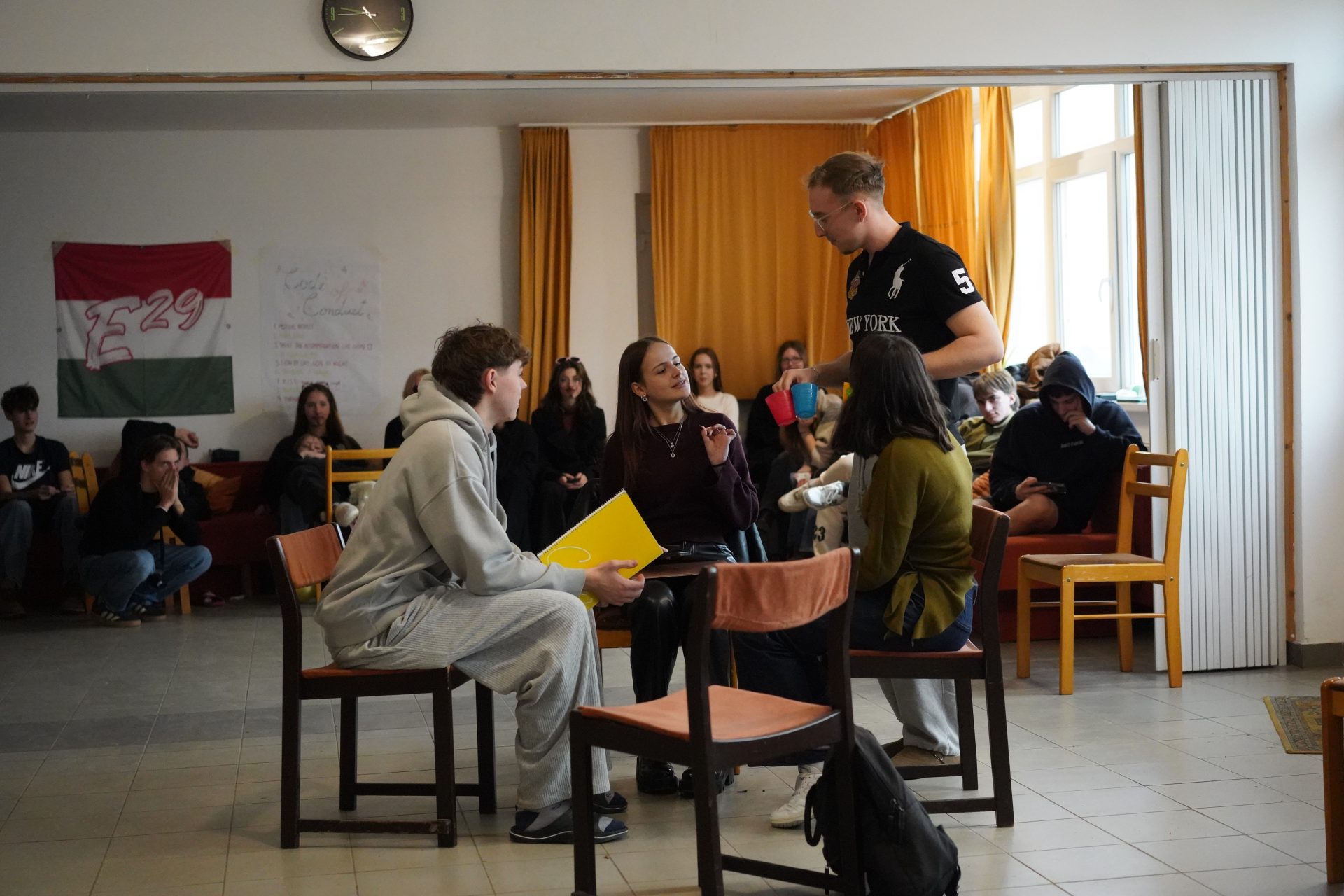
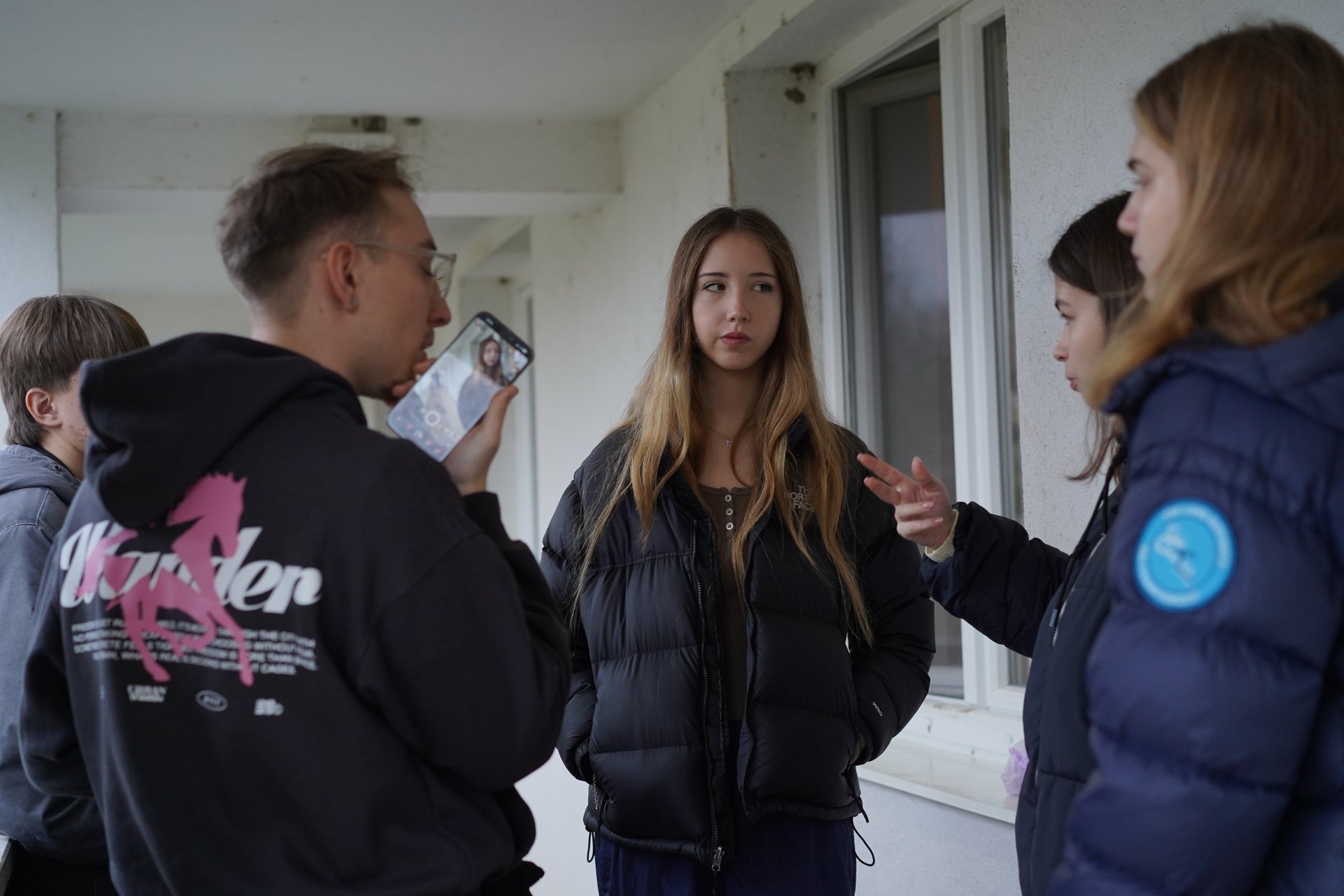
Windows Onto Each Other
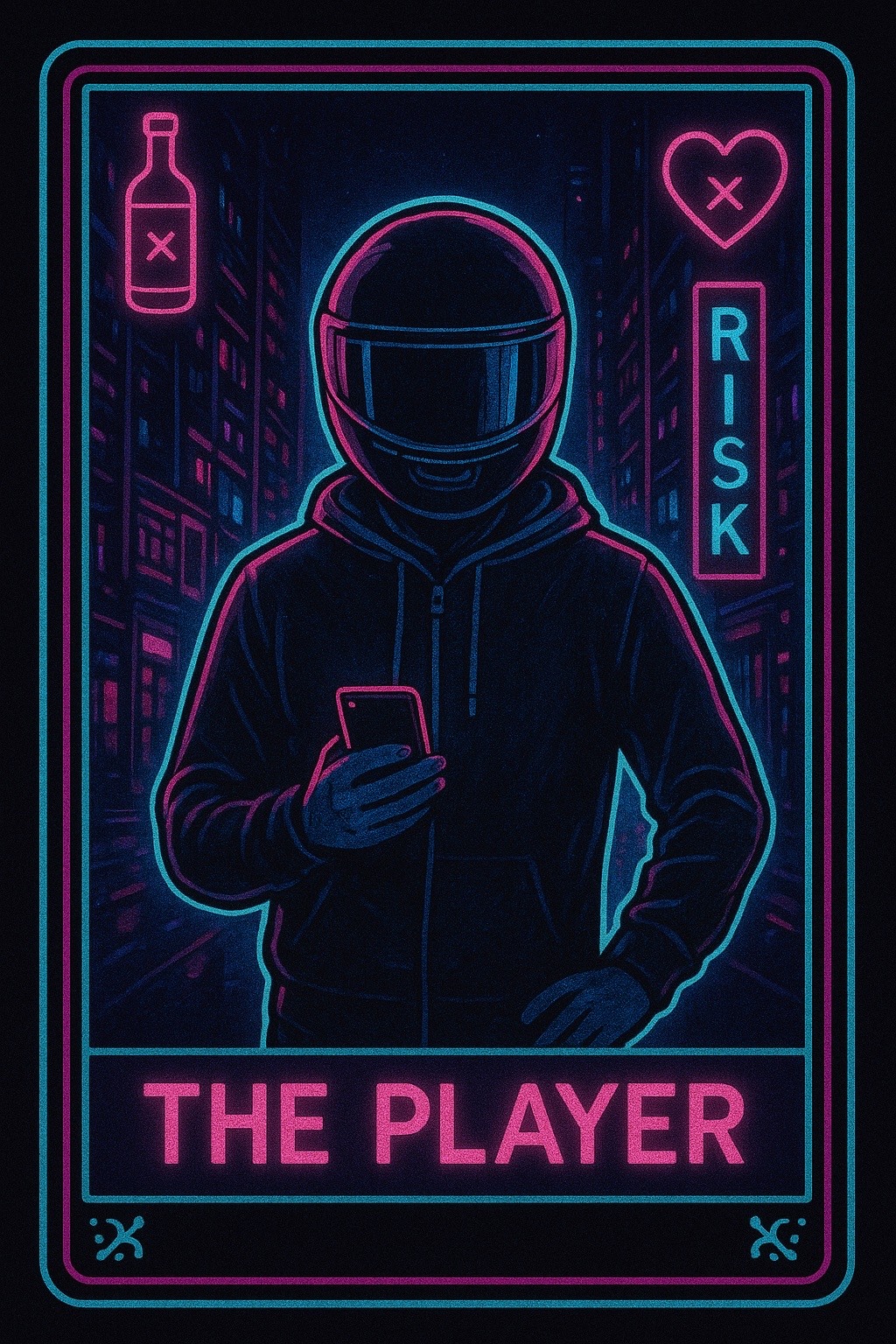
With seven part-shared languages in one room, words eventually ran out, so we opened windows instead. Creativity did the talking the moment language stalled. We drew our own tarot cards to put feelings into symbols, built short performances, and used images and video where a paragraph would have stumbled. Each card carried a title and a handful of possible meanings, so a single drawing could hold a feeling, a value, and a memory all at once. Those pictures became the exchange’s memory too, holding the curiosity and teamwork behind them rather than a dry record of the schedule.
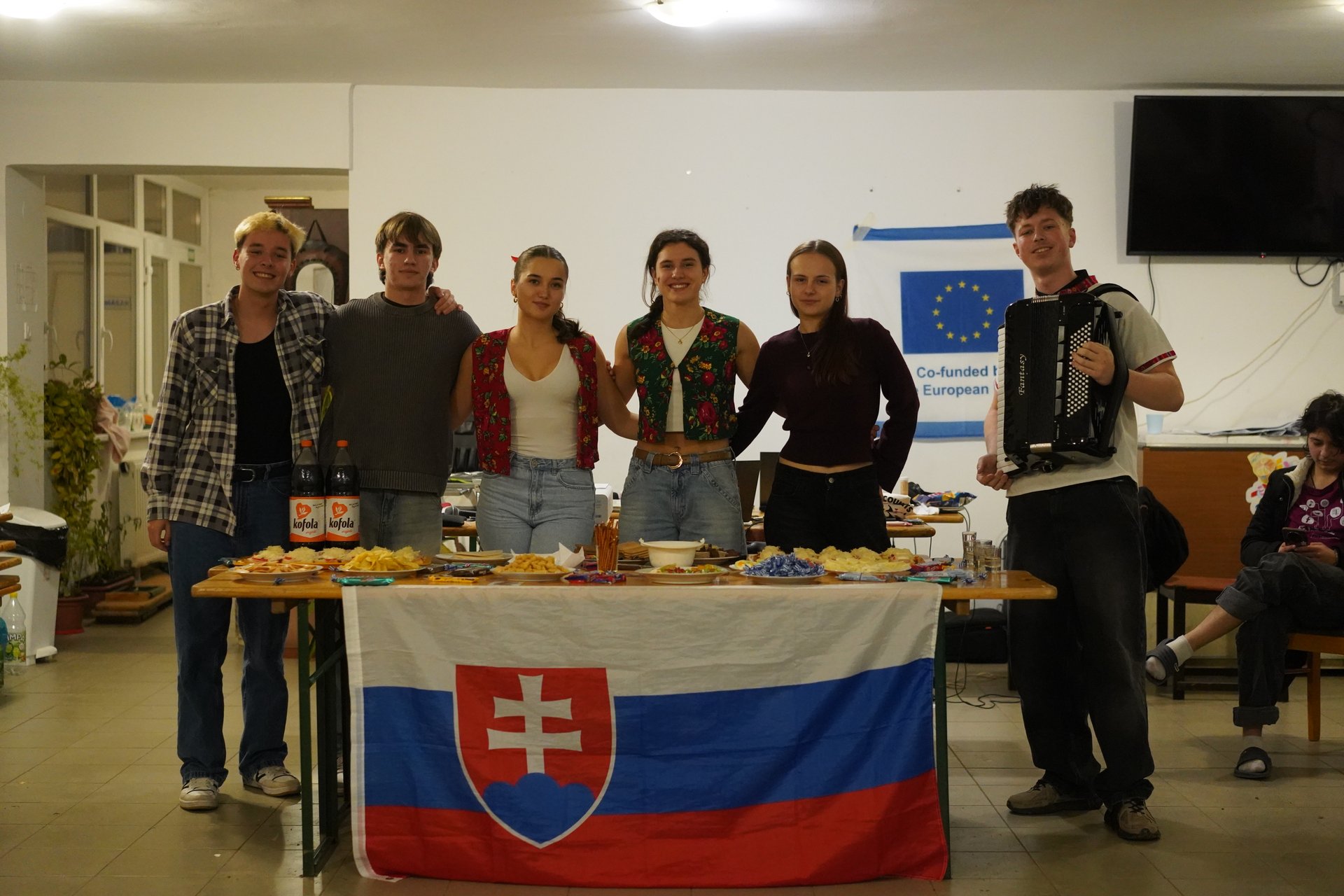
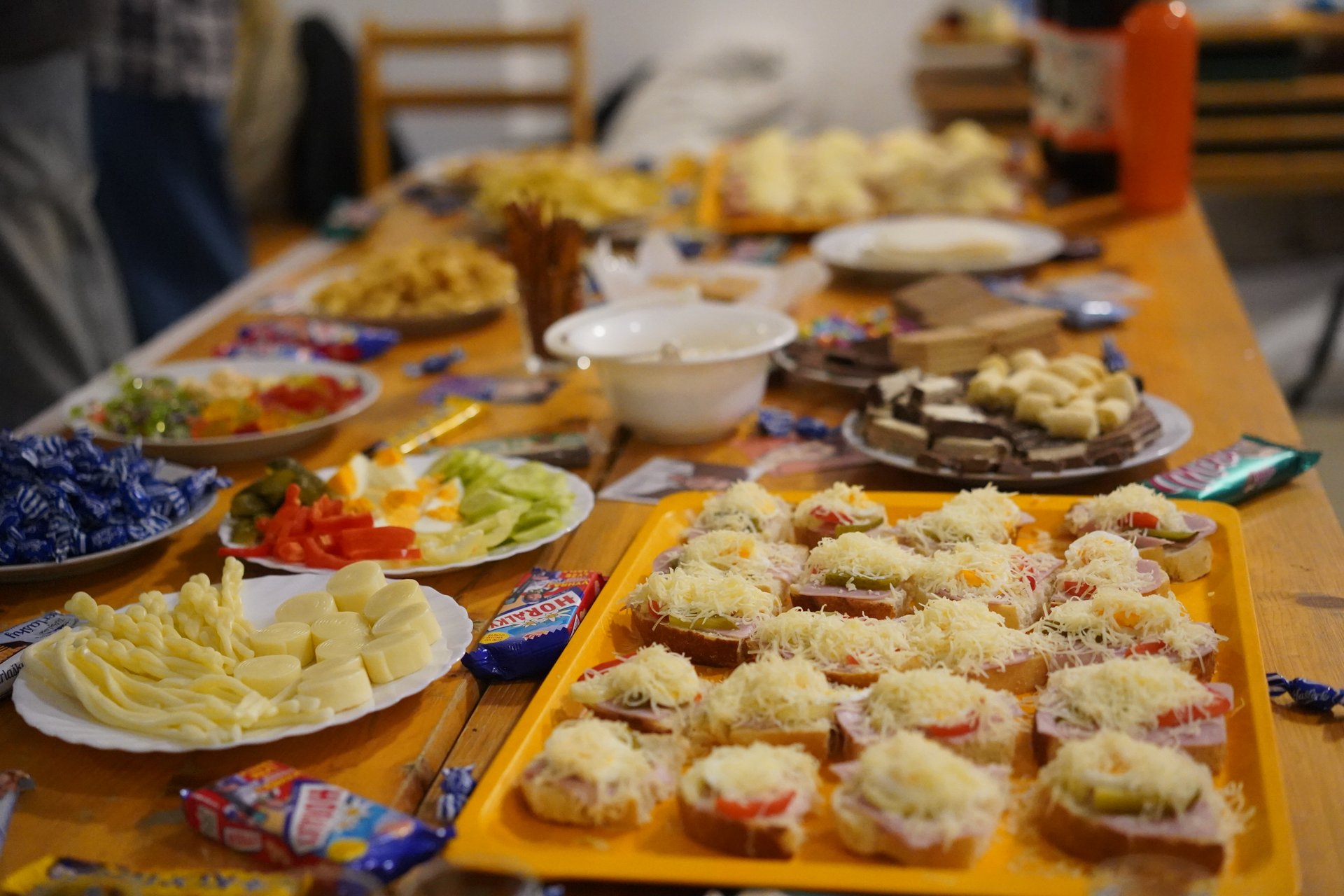
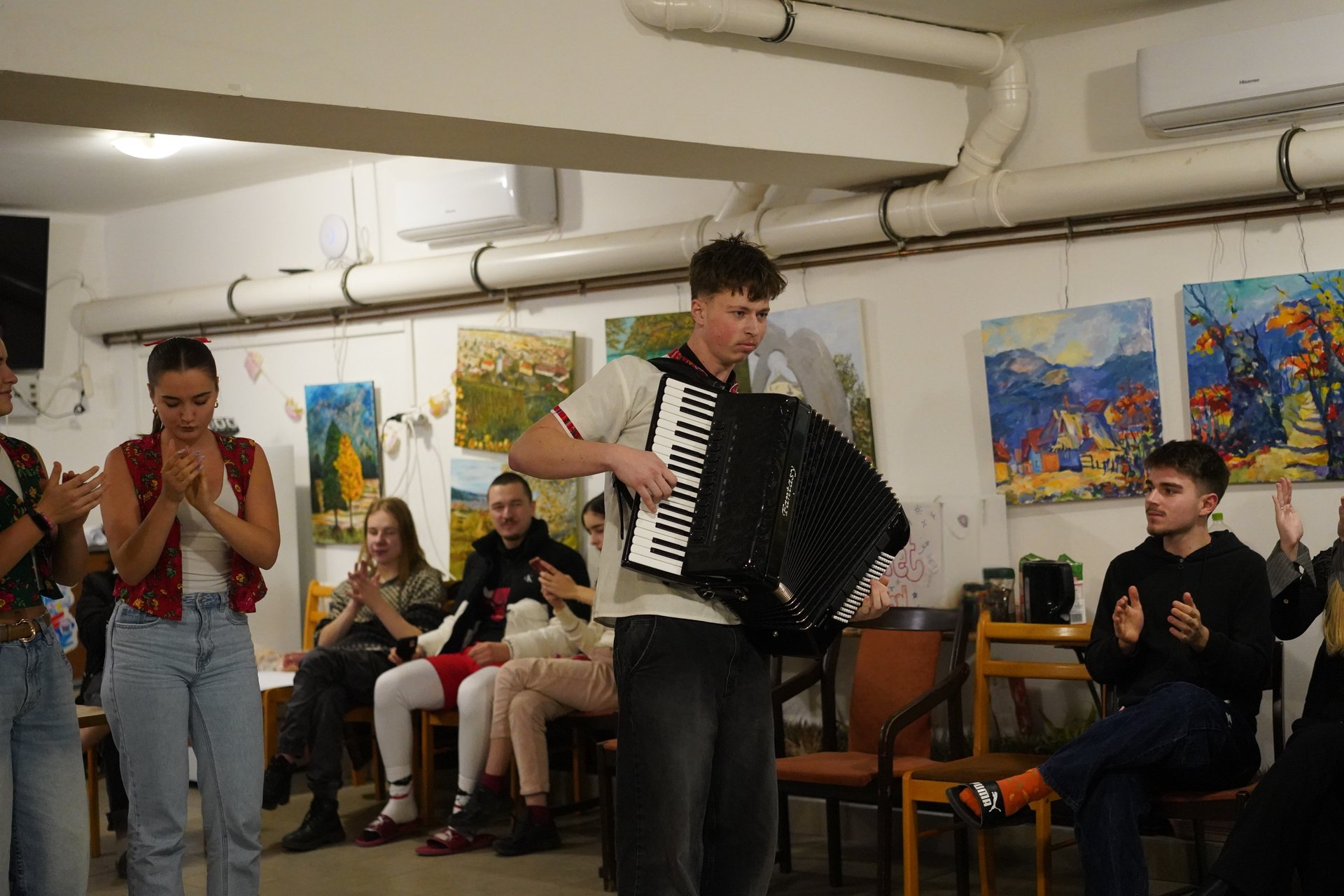
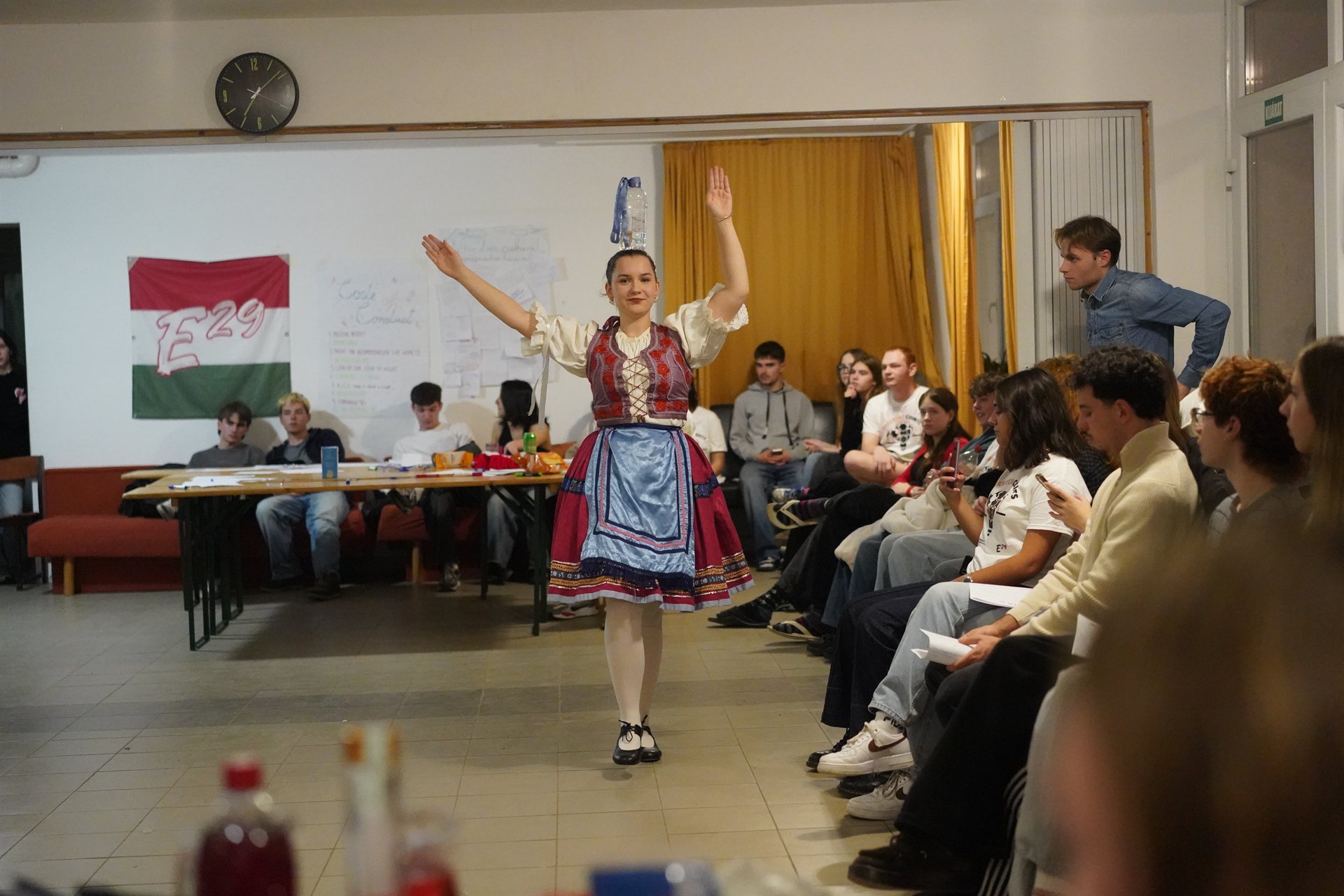
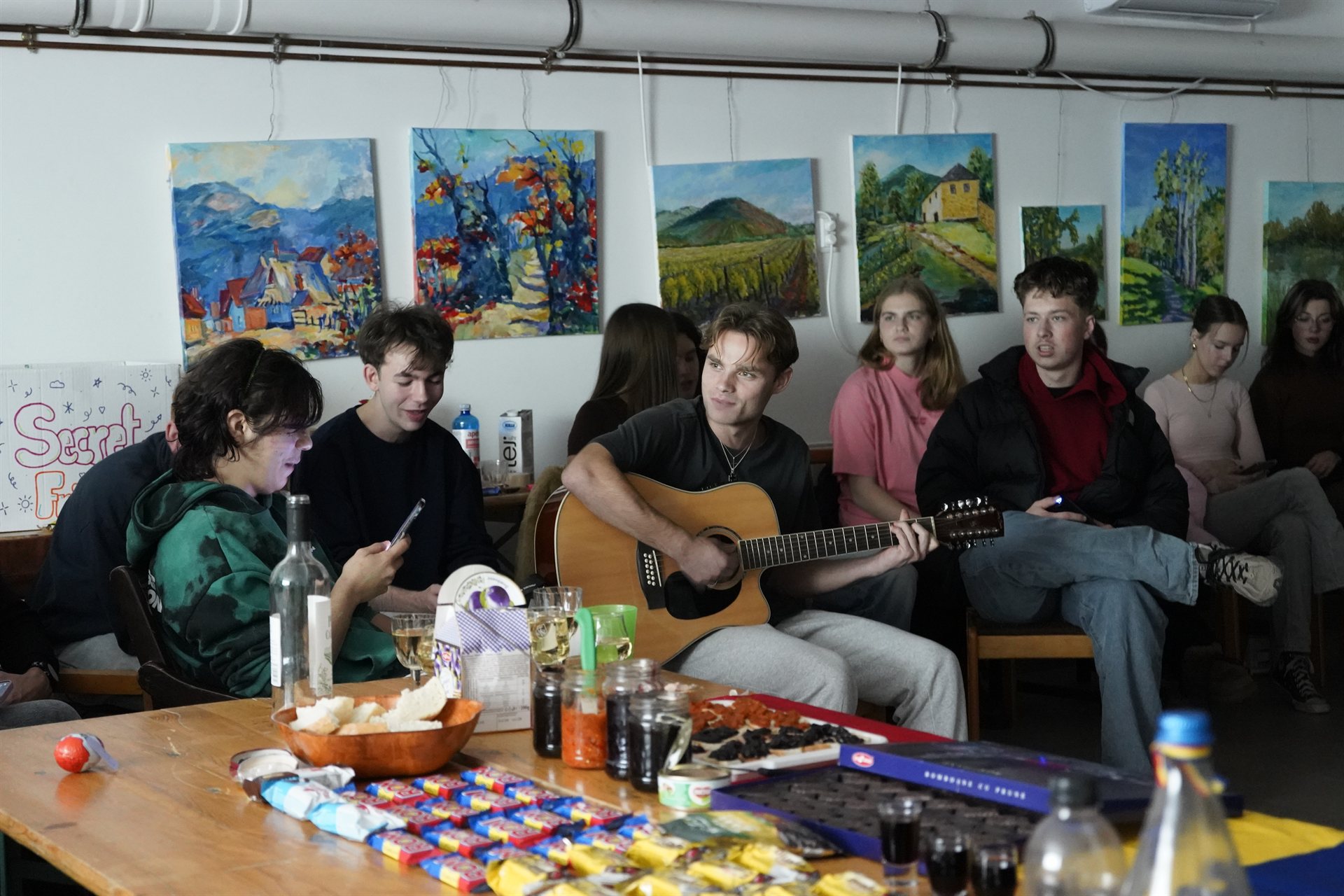
The widest window of all was the cultural nights, when each country took over the room in turn. On the Slovak evening it was our turn to host. We draped the Slovak flag, white, blue and red with the double cross and three hills, across the front of the table and covered the rest with food from home: plates of sliced cheese, bread, and open-faced sandwiches piled with grated cheese, tomato and pickle, alongside trays of sweets for anyone passing by. One of us played the accordion while the rest handed out tastes and the stories that came with each one. No translation needed, just an open door and an invitation to come and try.
The Roof We Carried Back to Slovakia
By the final days, with the Youthpass certificates in hand and a closing round of reflection behind us, our group could feel how much had shifted. We came back able to read a conversation more carefully, adjust how we speak across cultures, work through disagreement without losing the thread, and help a mixed group hold together. Those skills travel well, and they are just as useful in a classroom or a workplace in Slovakia as they were in Hungary.
That is the quiet case for an exchange like this one. Ten days in a room of seven nationalities can teach a young person something a lesson rarely reaches, and that is why we keep saying yes. Inclusion, in the end, turned out to be less a value to agree with than a house you build together, one honest piece at a time, until everyone has a place inside it.
Photo Gallery
A few more moments from this activity :)
Check these and more photos in the activity’s photo album.