When our participants arrived in Bodrogkeresztúr, a village in Hungary’s Tokaj hills, they knew the theme of the ten days ahead: social well-being, the way connection and community shape how we feel. What they did not yet know was anyone in the room. Blooming Connections put our Slovak team in a house with young people from Czechia, Hungary, Portugal, Serbia, Romania, and Lithuania, and gave them the space to turn that theme into something they had actually lived.
This is the exchange as our team experienced it, from the inside.
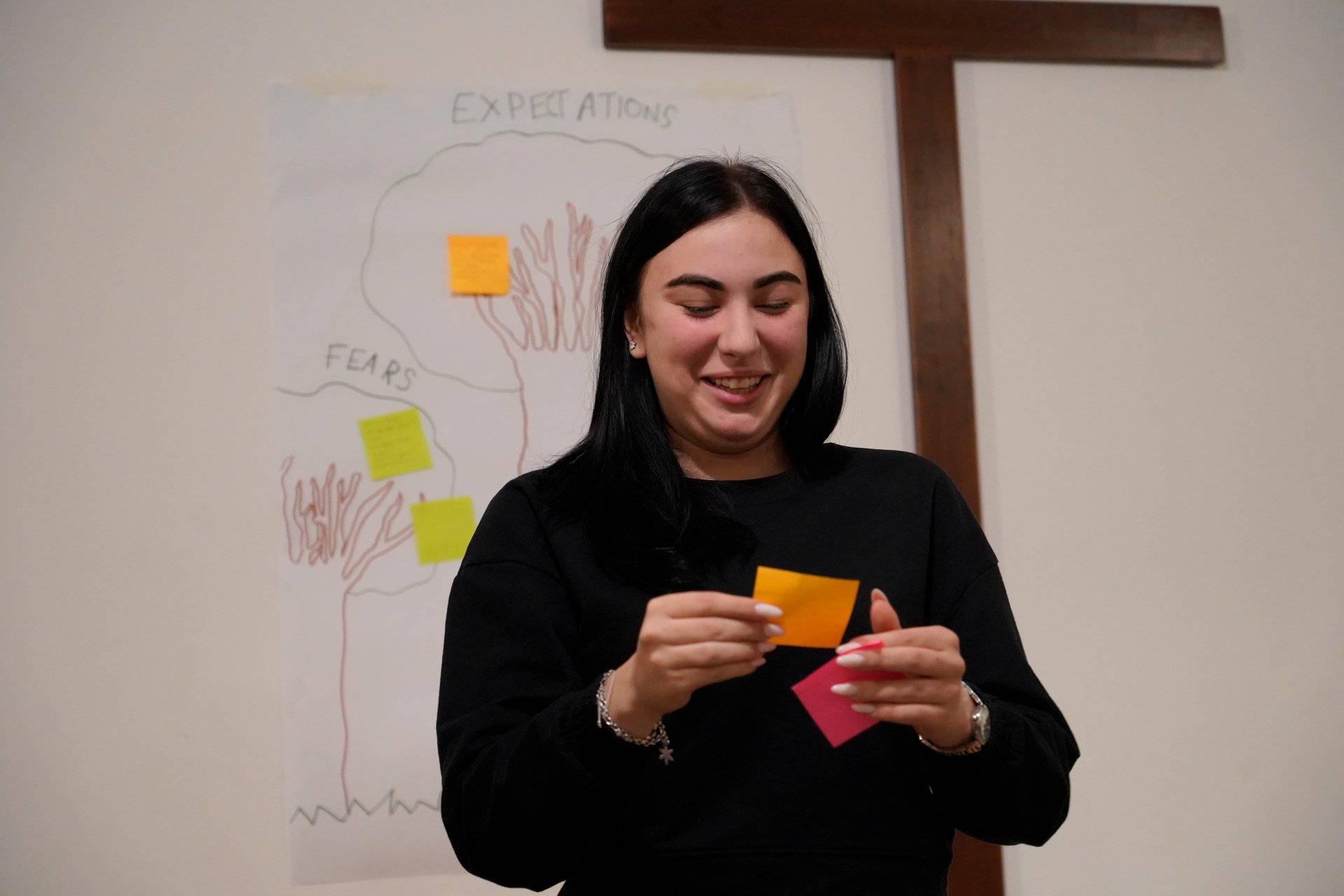
Learning the Room
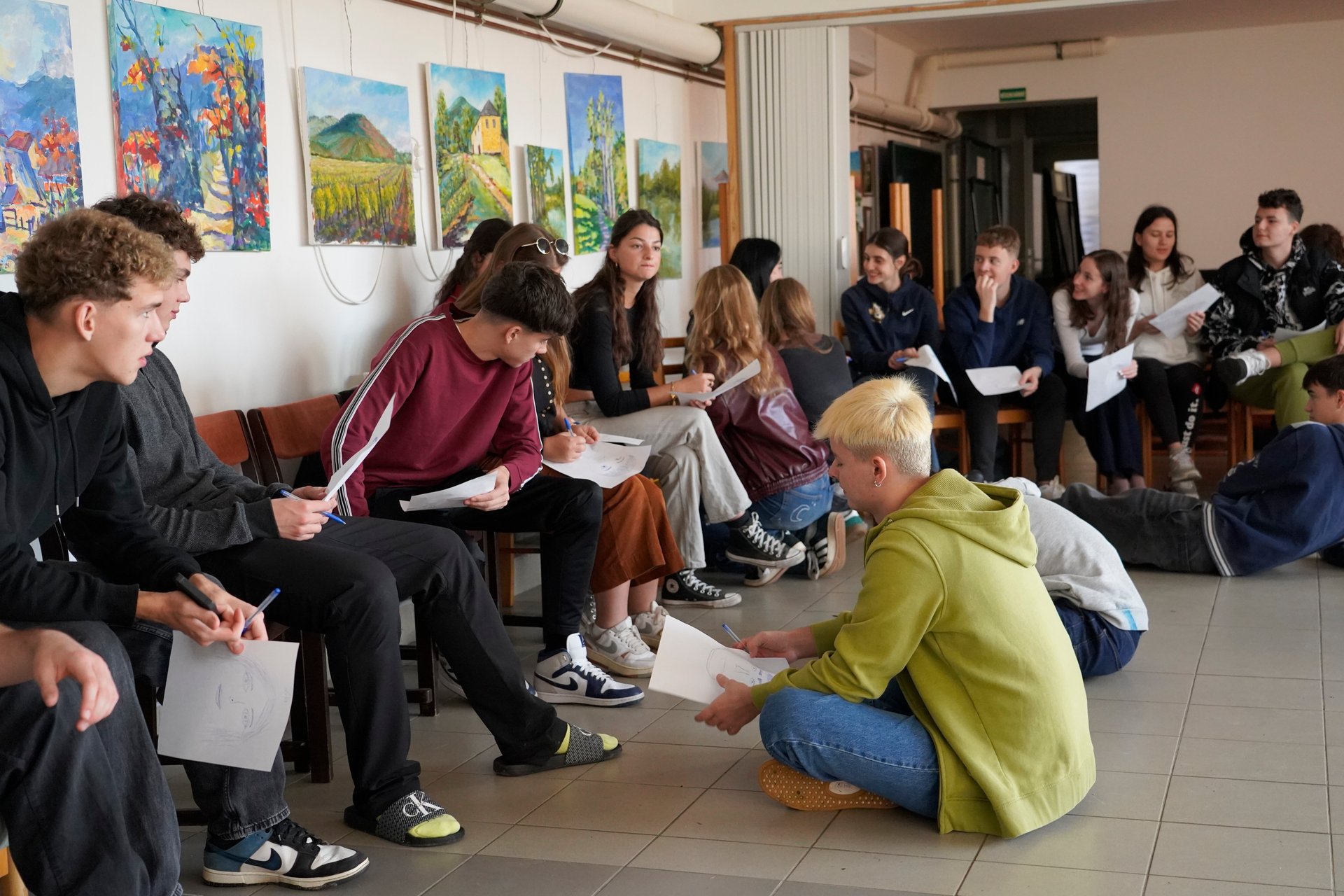
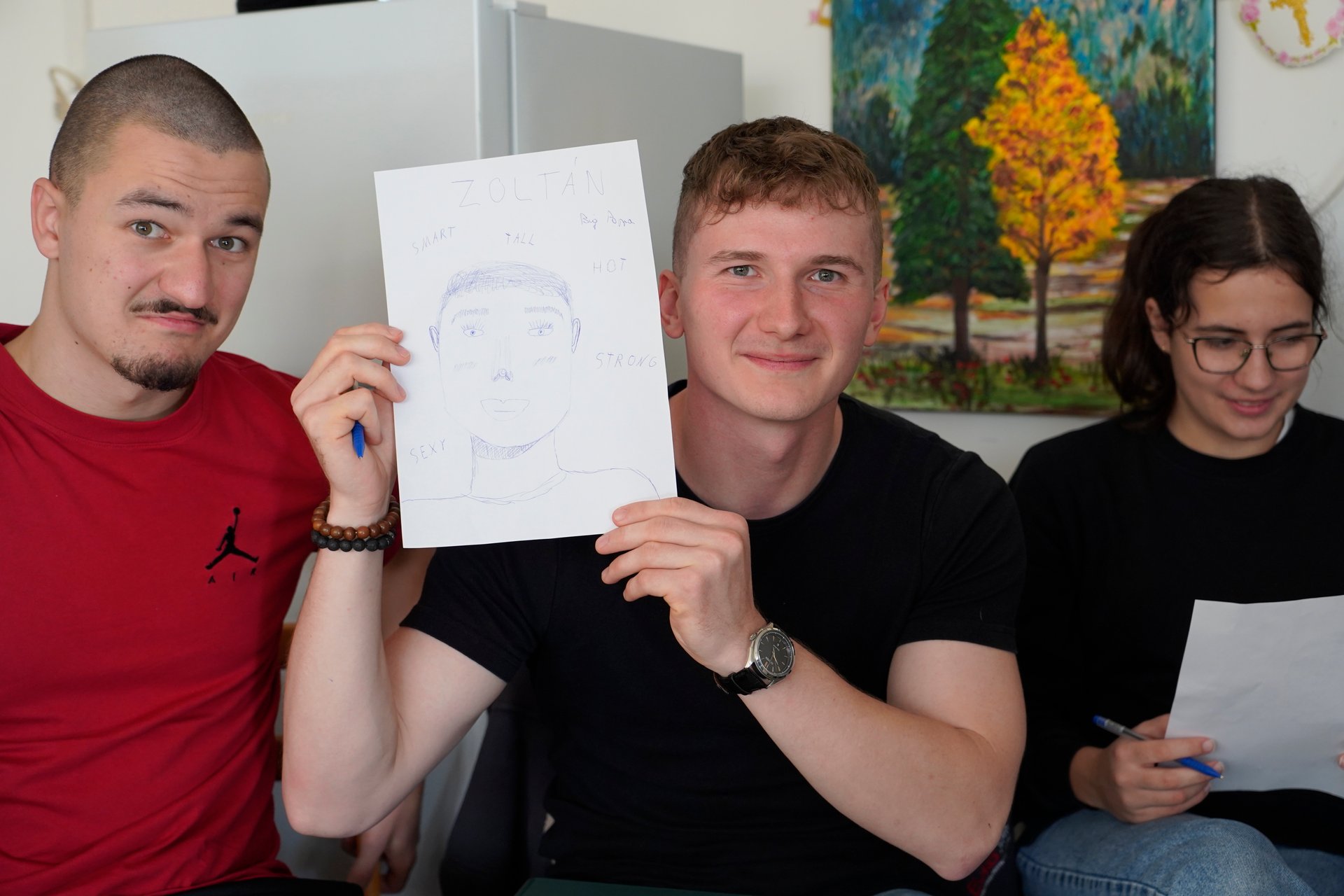
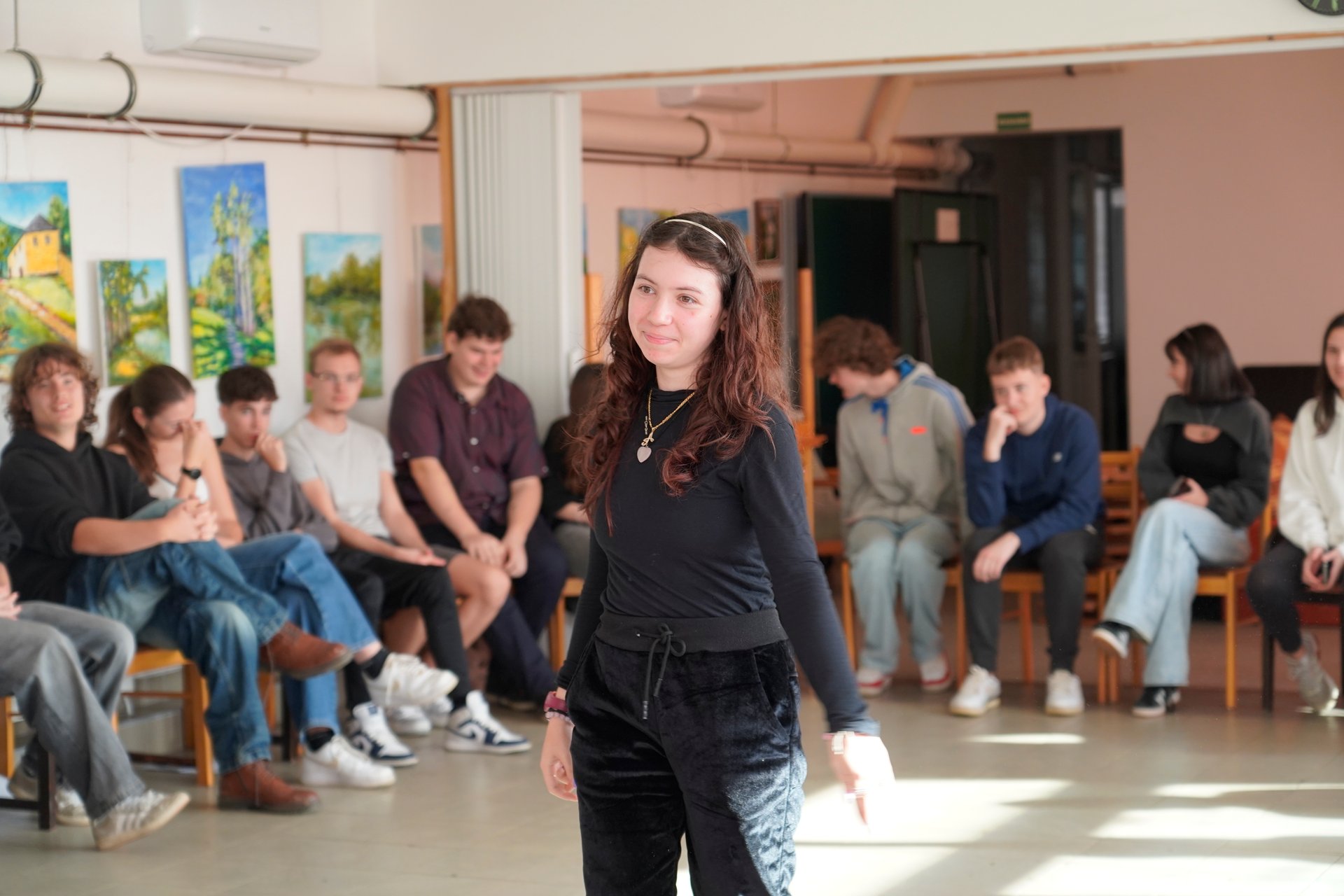
The first days were built to dissolve national groups fast. In Speed Dating, two circles of participants rotated past each other in timed two-minute conversations, a new face and a new question every round. My Chair turned name-learning into a race: shout a name, and that person sprints for the empty chair before the one in the middle claims it. Alphabet Frenzy then had everyone mingling to write down every peer’s name in alphabetical order from memory, reading their list aloud while the room listened for mistakes. It worked. Within days, the people our team sat with at meals were rarely the people they had travelled with.
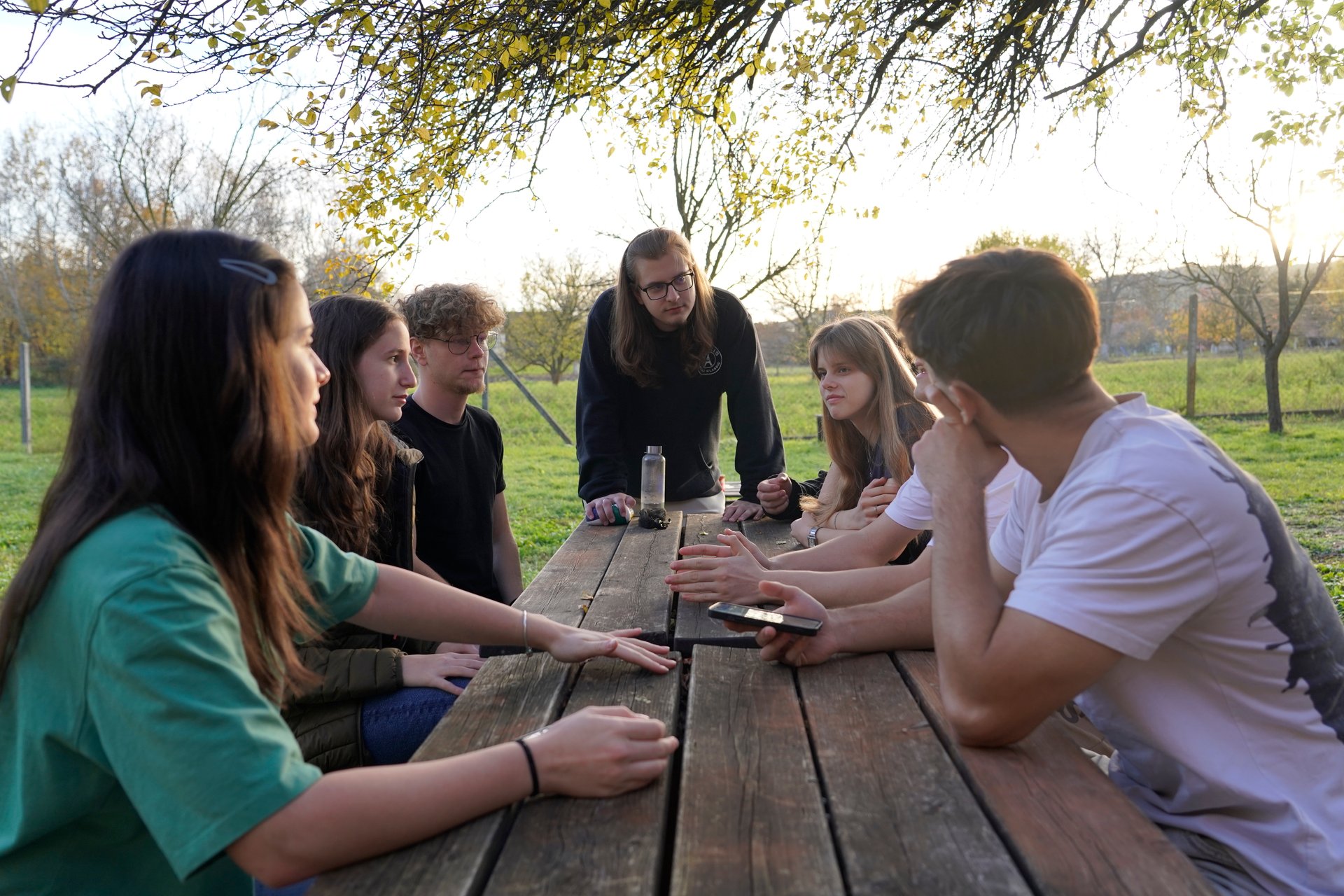
From there the programme took the whole group through the theme step by step: what well-being means, how its mental, physical, and social sides differ, and why the social side deserved a full exchange of its own. Our team’s answers from those early sessions changed noticeably by the end, which is roughly the definition of learning something.
A Map and a Card
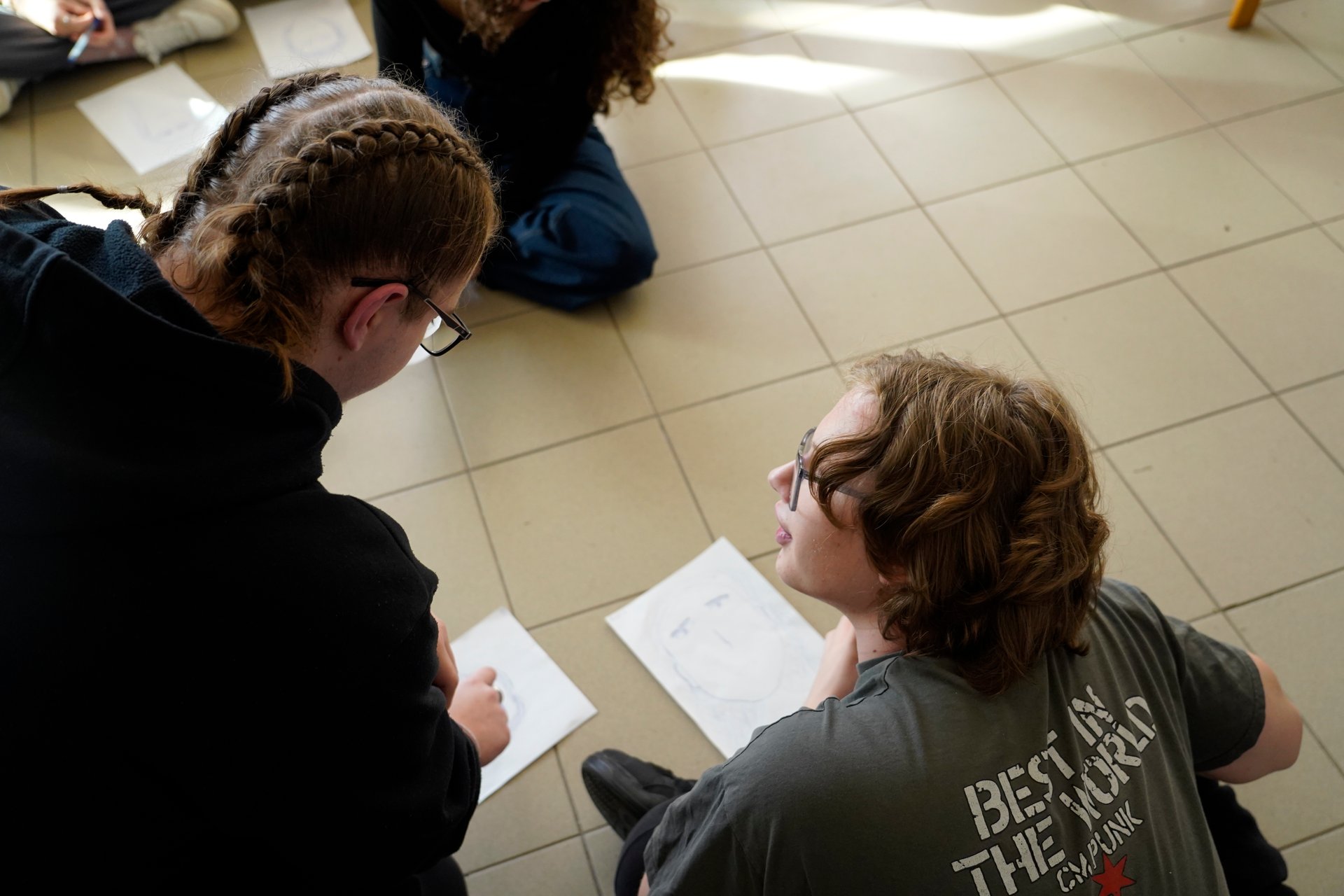
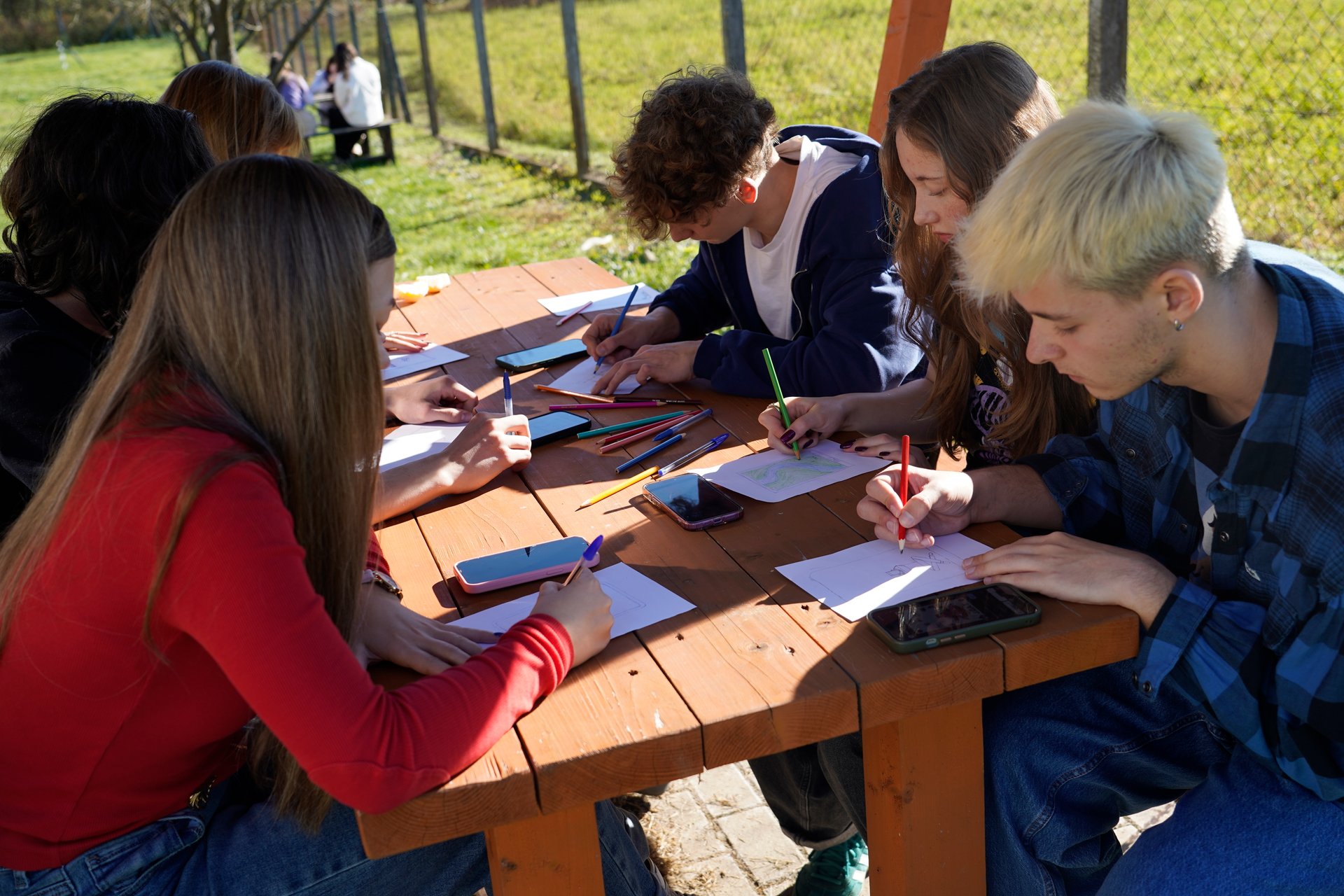
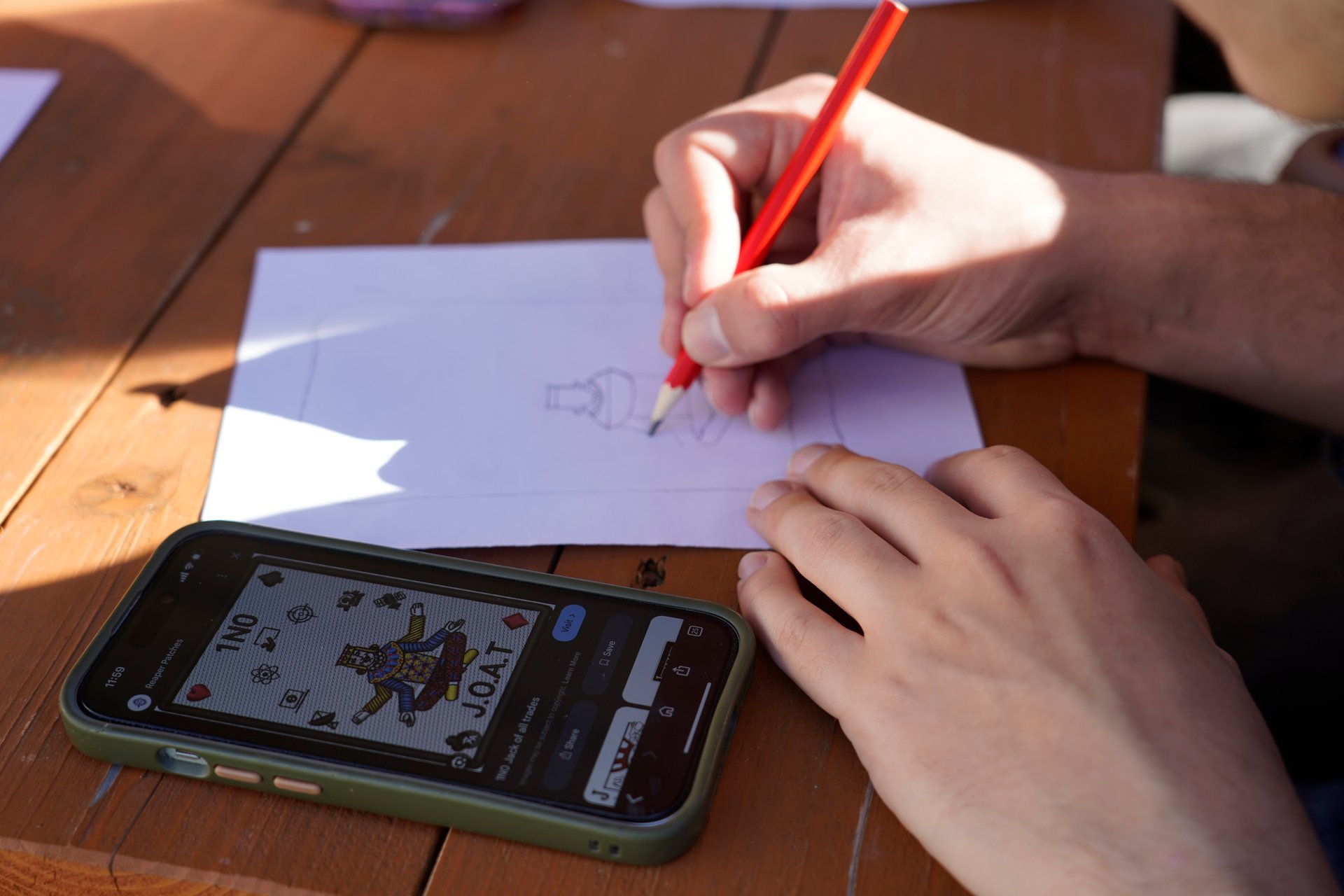
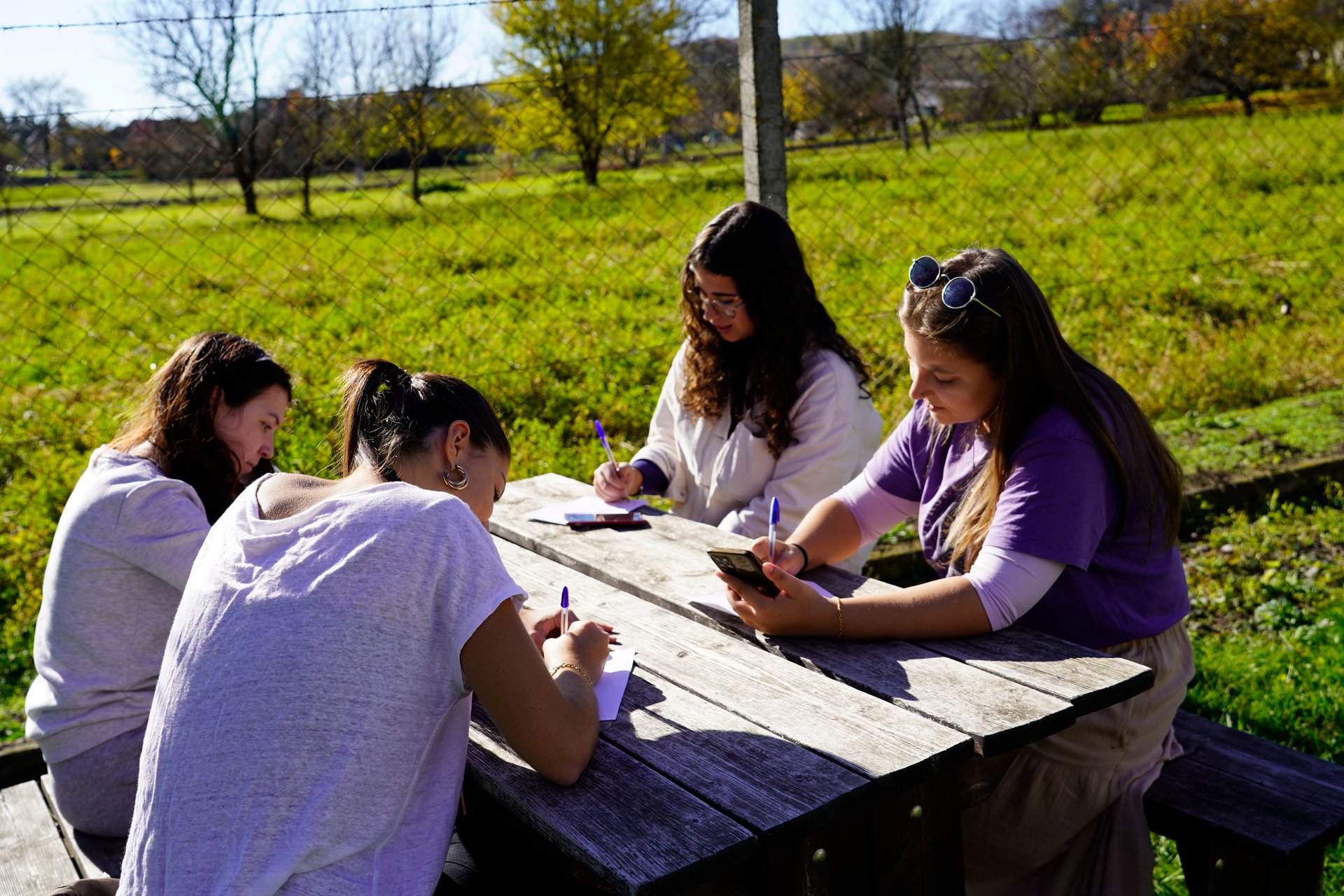
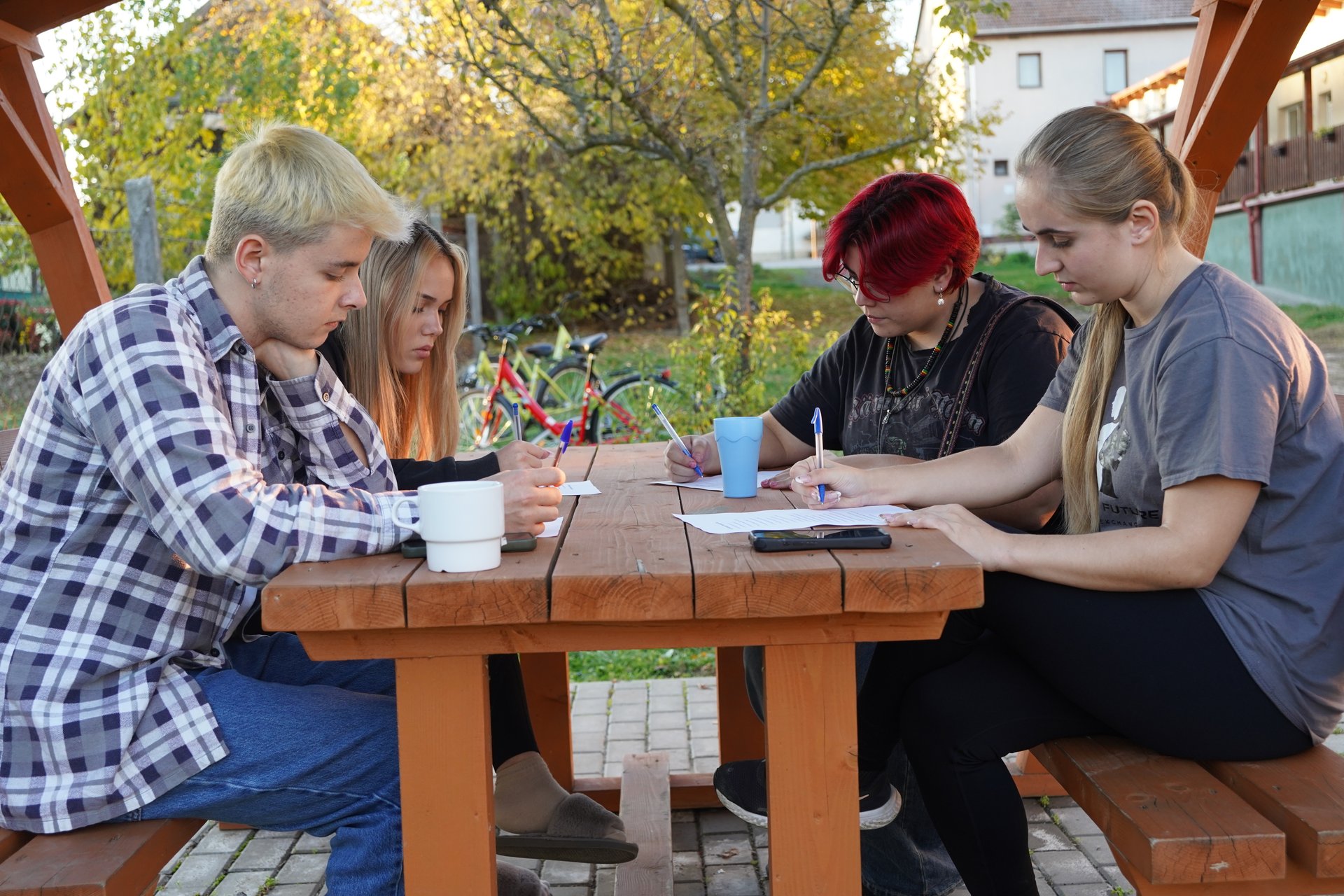
Two sessions stayed with our participants more than the rest. In Map of Life, each of them received a sheet of paper and pencils and drew their own journey: the milestones, turning points, and experiences that shaped who they are, with gentle music in the background and guiding questions to dig deeper. Sharing afterwards was invited, never required. Making the map turned out to be a conversation with yourself that most people had never scheduled.
Design Your Own Tarot Card asked for the opposite: take something internal, a value or an emotion, and design a card that shows it. Our team named their cards and described at least six meanings for each, then added them anonymously to a collective flipchart deck built by the whole exchange. Finding your own card sitting among dozens of others, and recognising yourself in some of theirs, is quiet and surprisingly effective work for social well-being.
Building a Pitch from Nothing
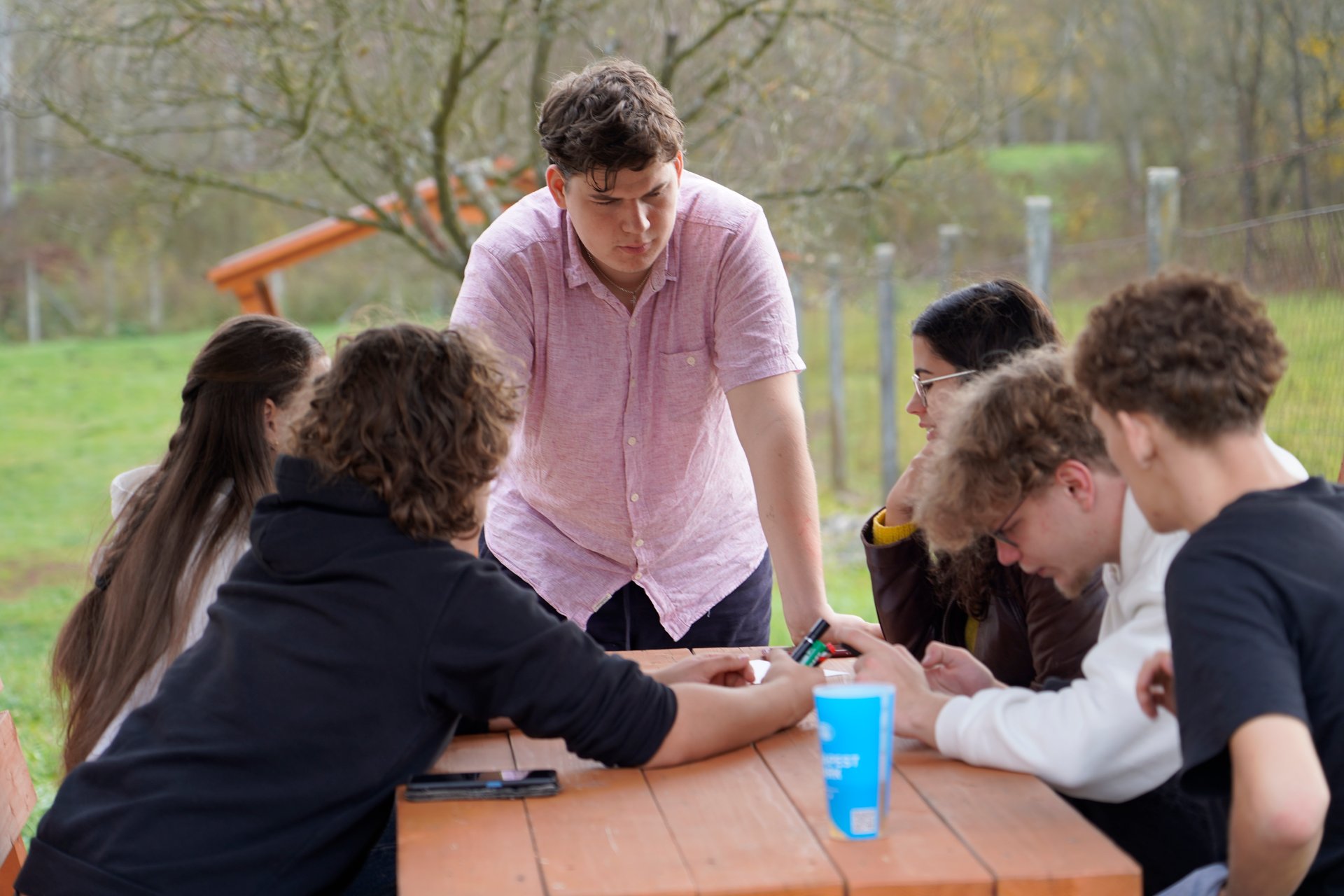
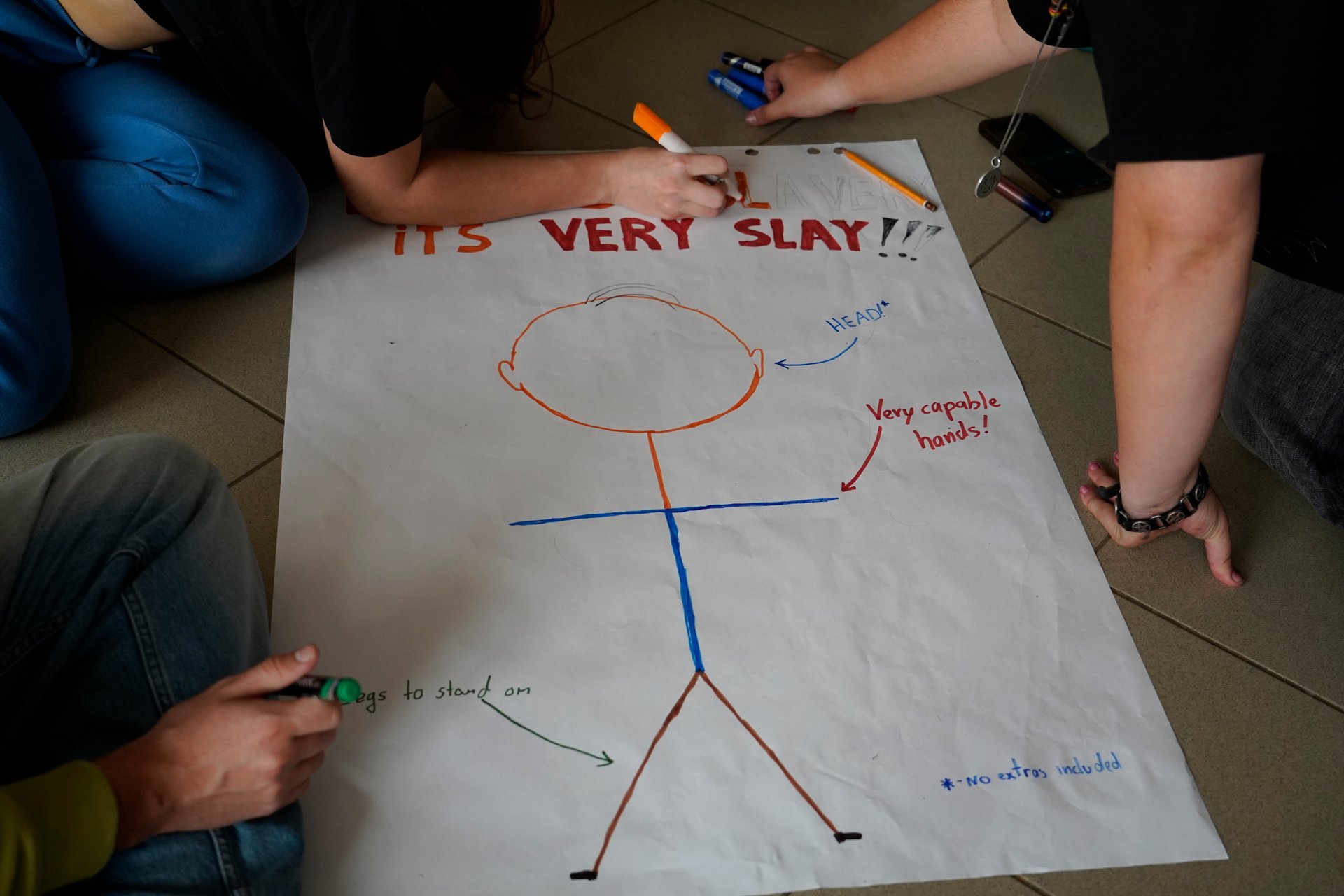
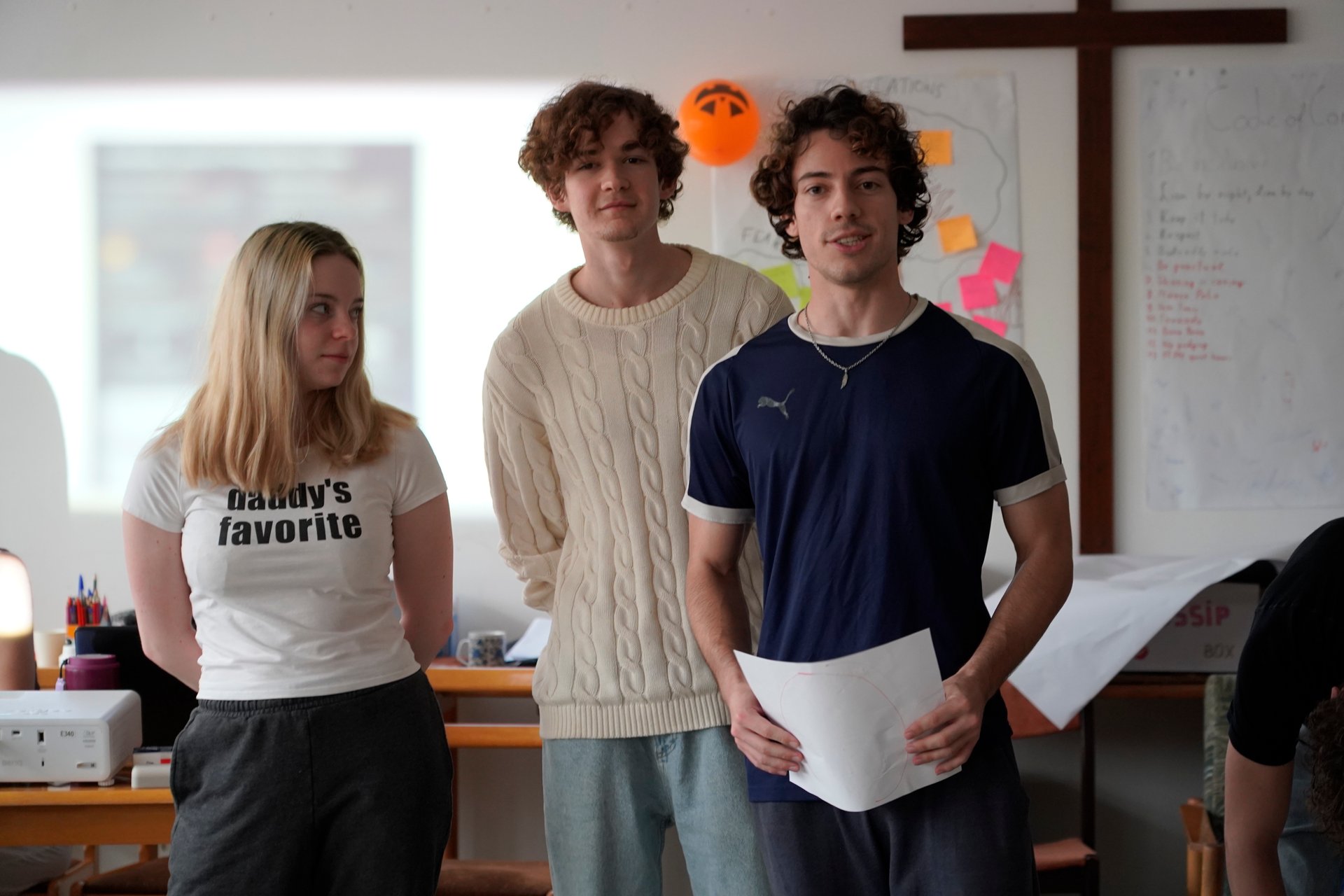
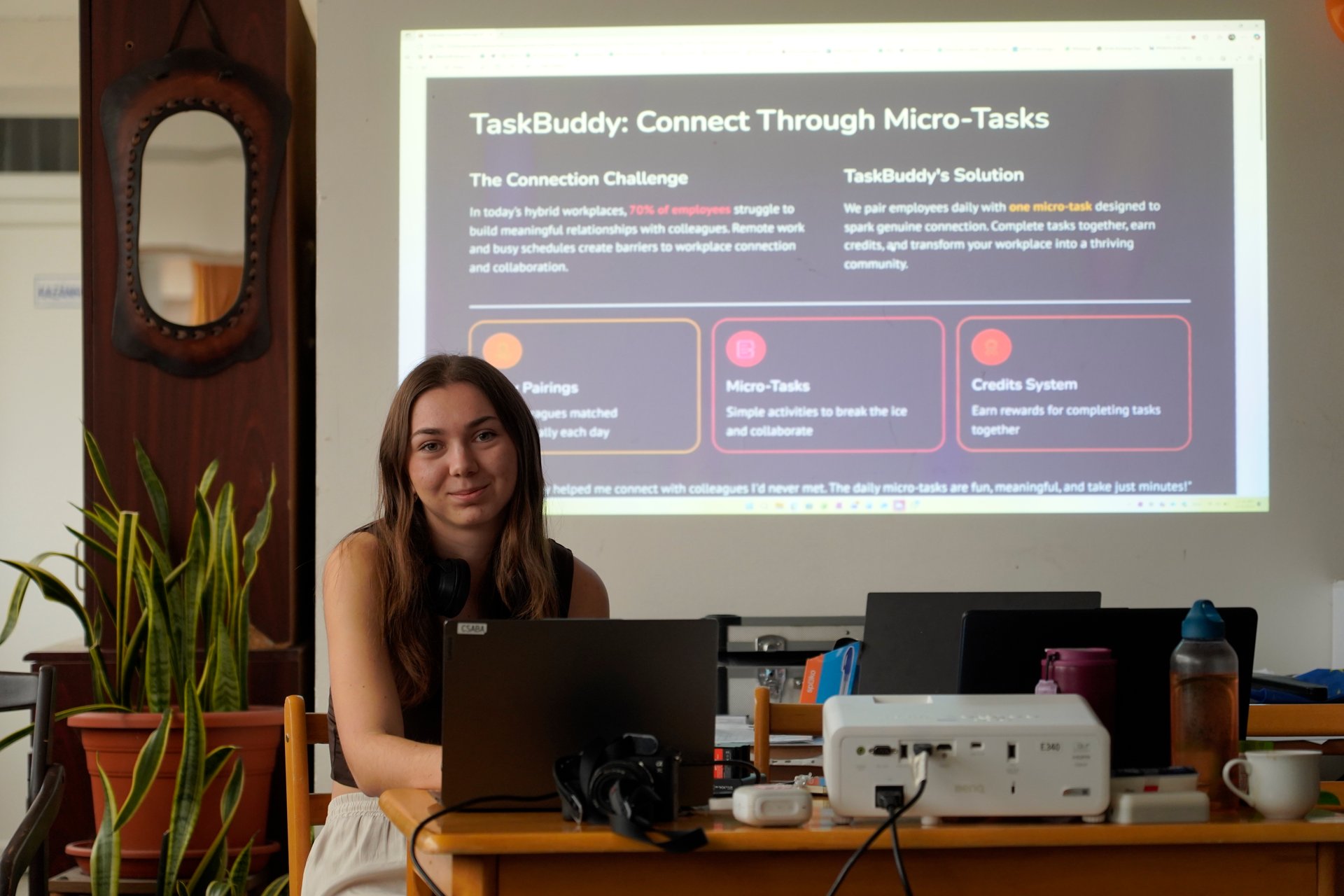
The session our participants talk about most started with a blank poster on the floor. In Shark Tank, groups took a real social well-being challenge surfaced earlier in the exchange and designed a service, product, or app to answer it, complete with slogan and logo. Each group then had five minutes to pitch to a rotating panel of volunteer “sharks”, who spent another five asking questions, challenging assumptions, and deciding whether to invest. For our team, the value was in the building: agreeing on one idea in an international group, splitting the work, and getting a poster from empty to pitch-ready with the clock running. The pitch itself was the finish line of a process that had already done its work on the team that built it.
The same days held role-plays of everyday social situations and short films on how social media shapes well-being, so the practical stretch of the exchange kept alternating between making things and rehearsing situations.
The Night Slovakia Ran the Programme
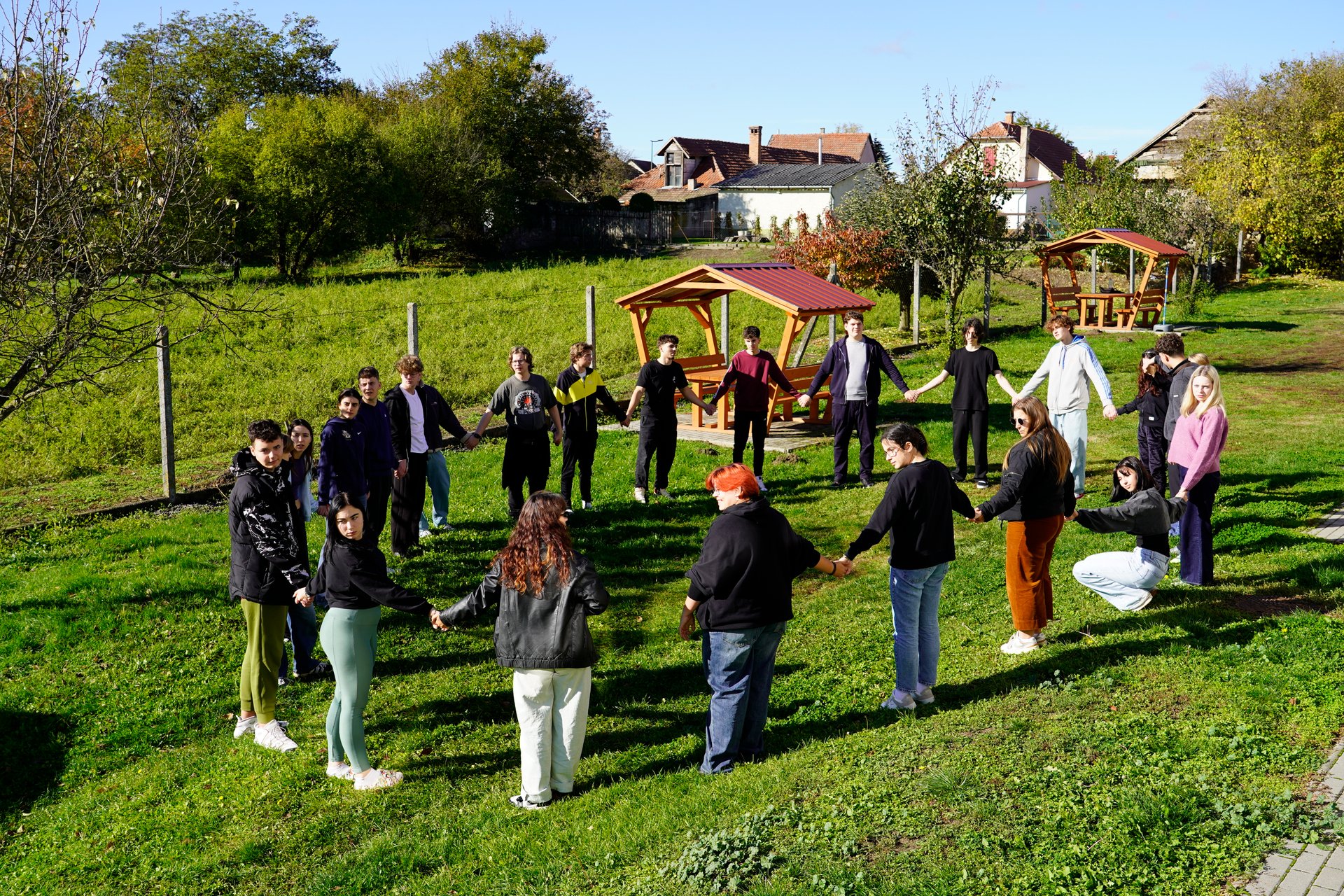
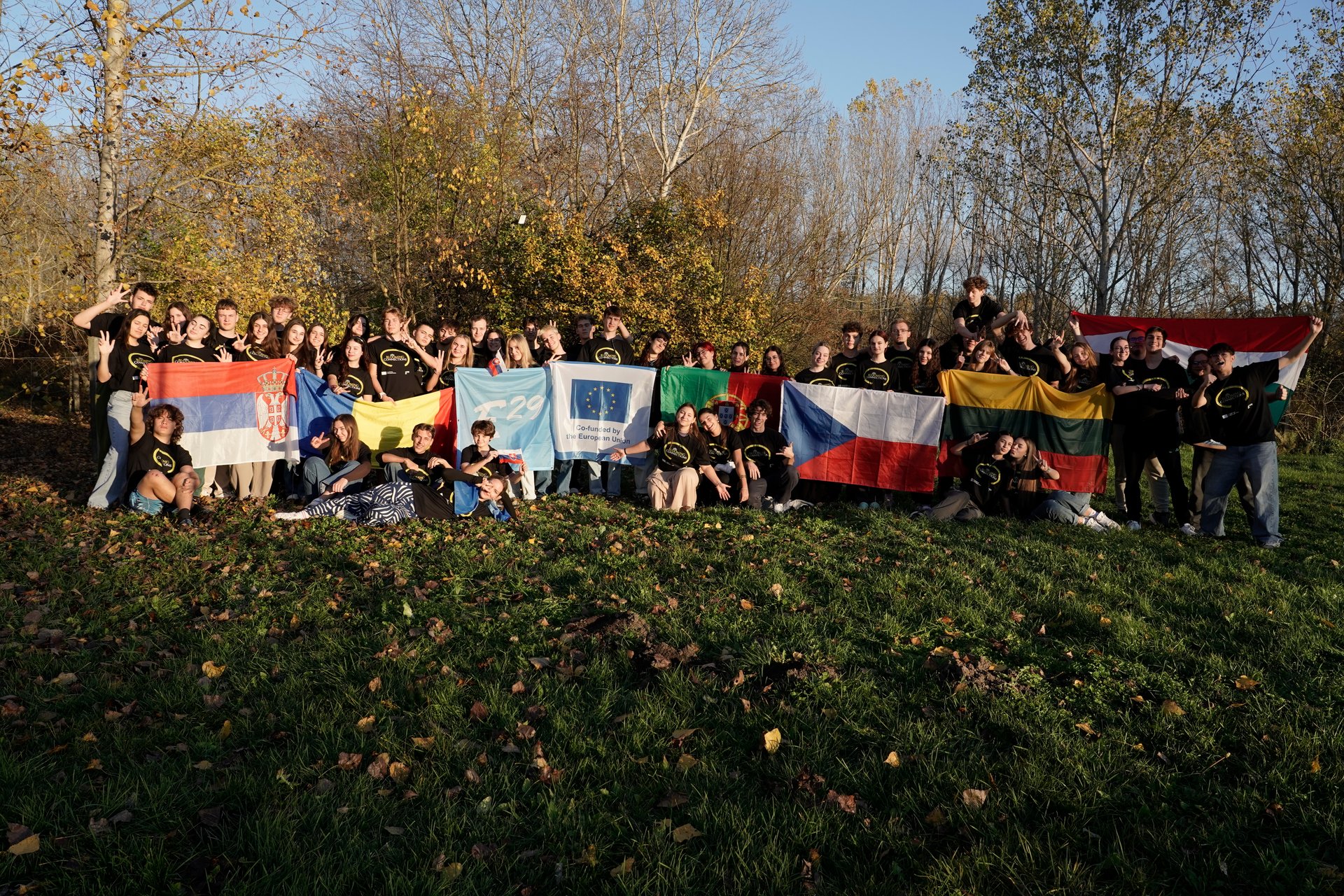
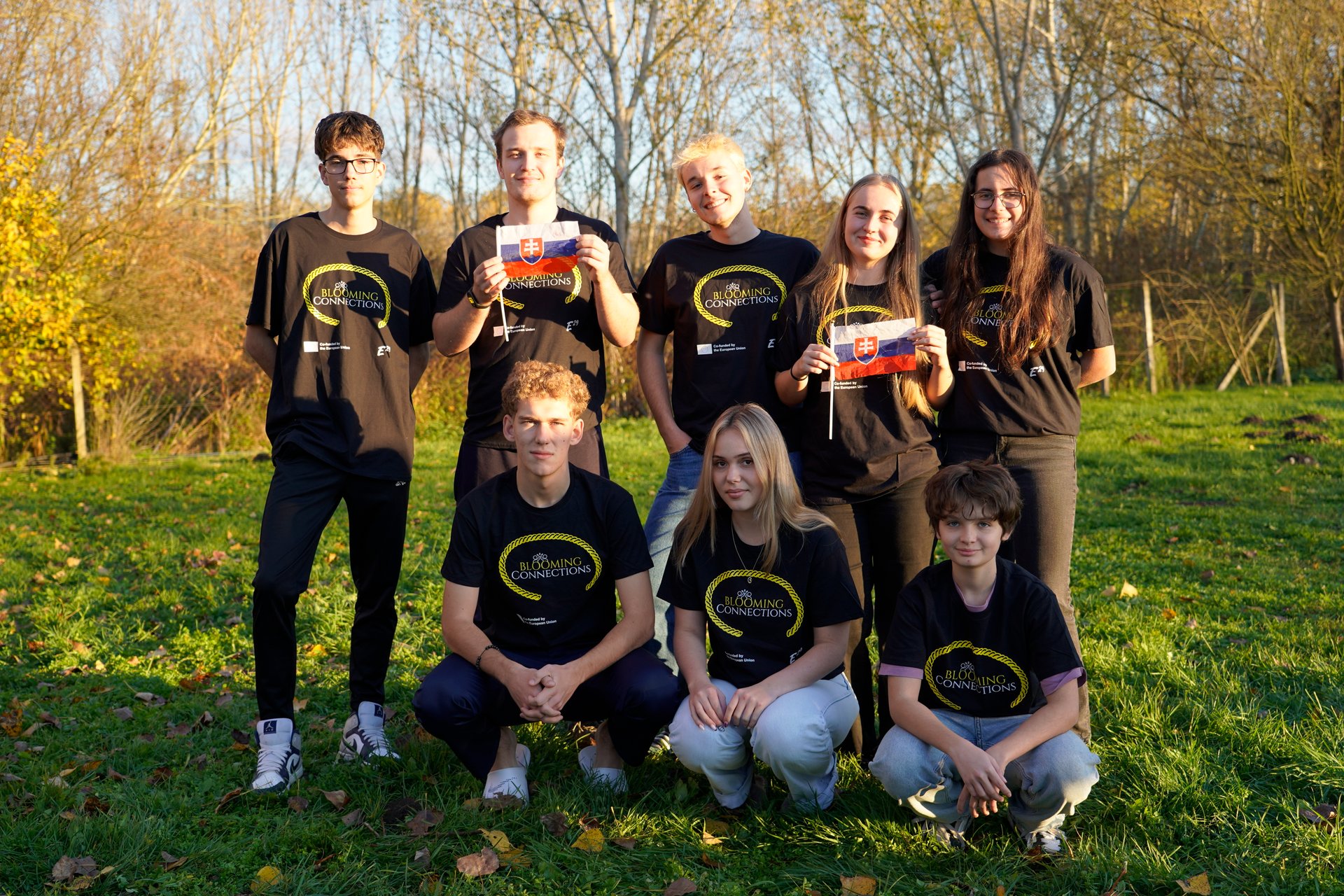
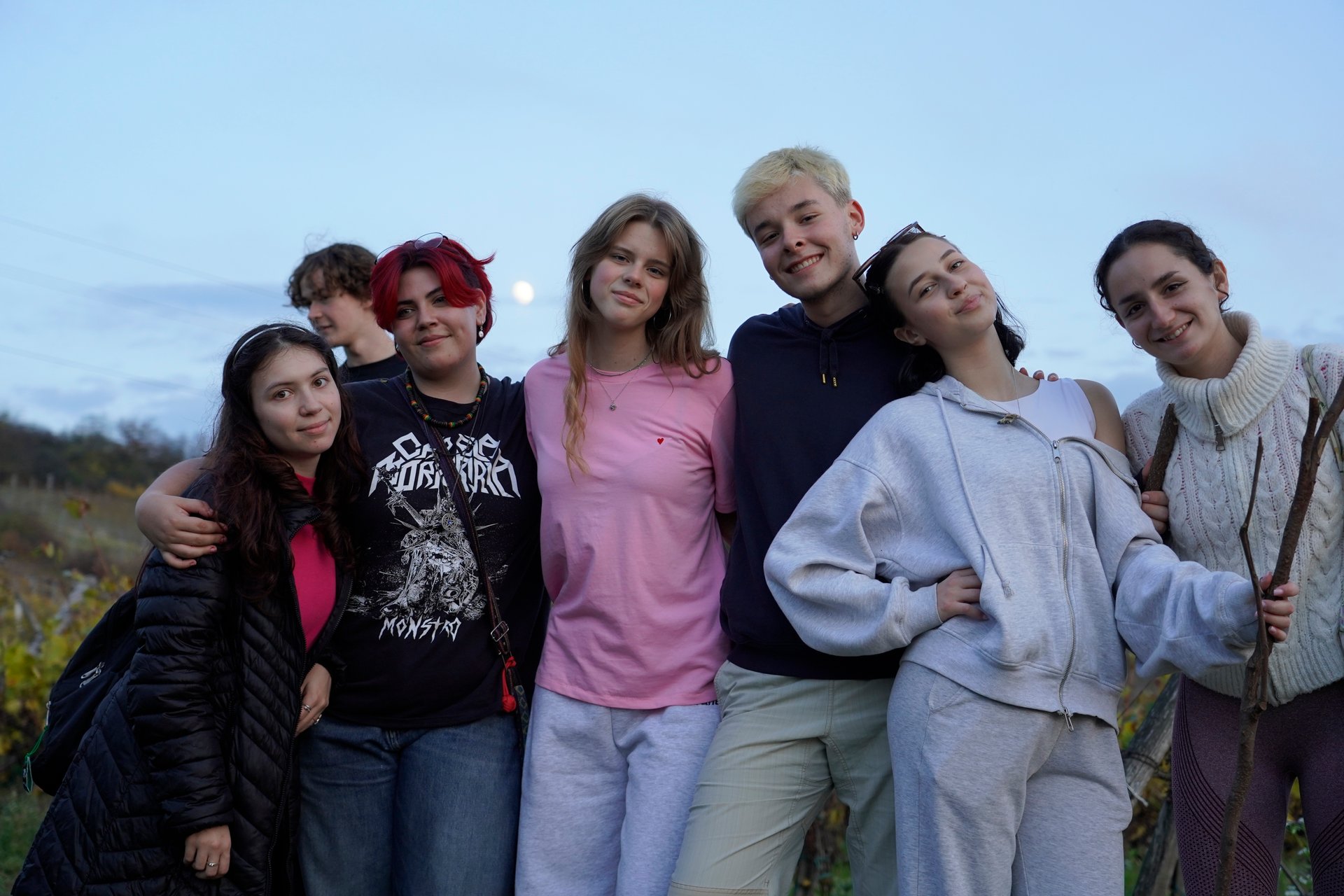
When the intercultural night rotation reached Slovakia, our participants presented their country to six others through music, games, and a table of Slovak treats, with the Chrumky disappearing first, as they reliably do. And on the day the whole group gathered in the field outside the venue for photographs, national flags out, the Slovak flag flew in the autumn light alongside six others.
For our team, the pairing of those two moments captured the exchange: proud of where you come from, hosting six other countries for an evening, and no tension at all between the two.
What Our Team Carried Back
The exchange, part of Four Links’ Accreditation, is co-funded by the European Union through Erasmus+. The final days were spent turning all that experience into plans: concrete ways to support social well-being back home and ideas our participants could run themselves.
What came back to Slovakia is a team that has drawn its own map, designed its own card, built a pitch with strangers, and hosted a night for six countries. They left as a national group and returned as people with friends across a continent, which, as they now know better than most, is what social well-being is made of.
Photo Gallery
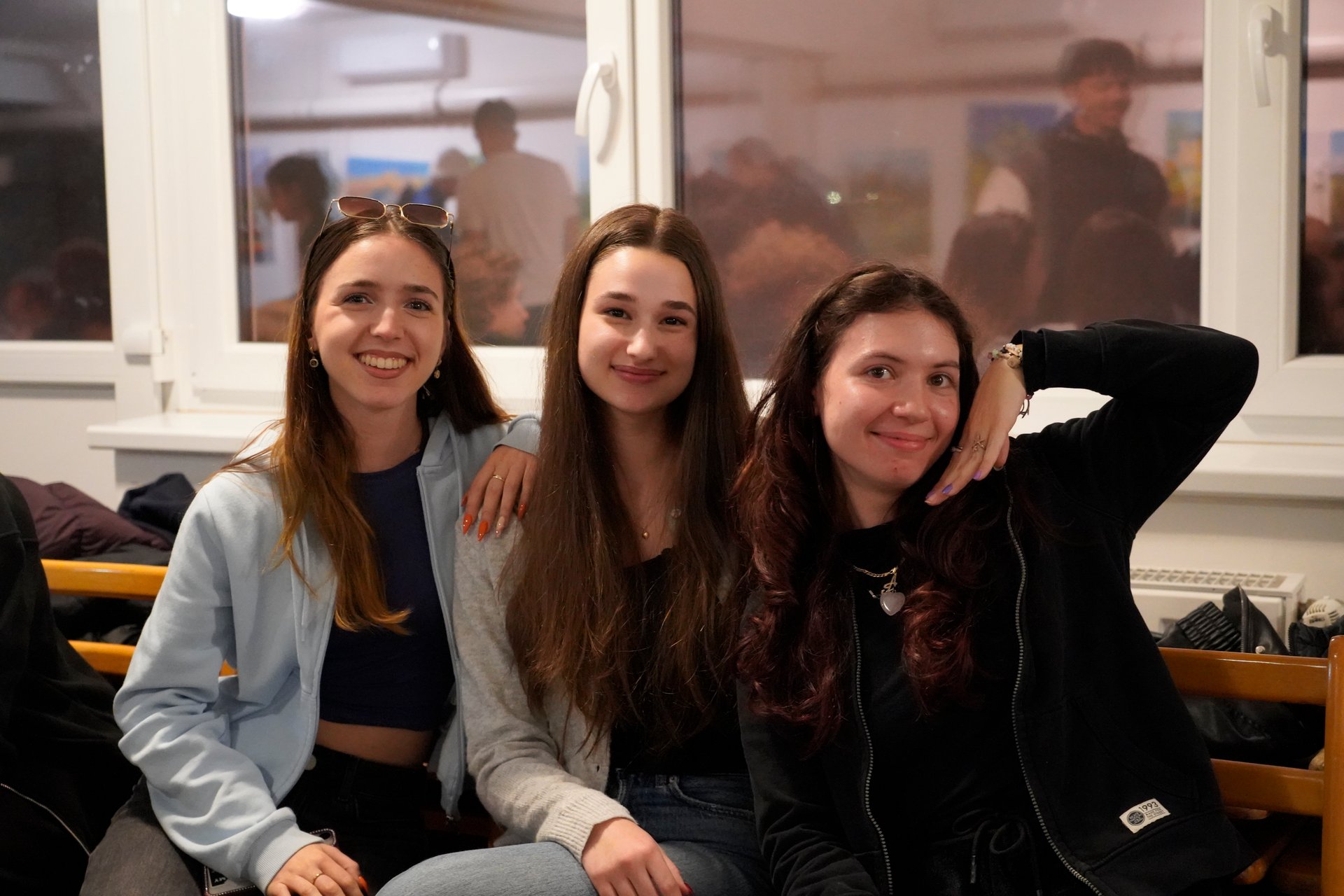
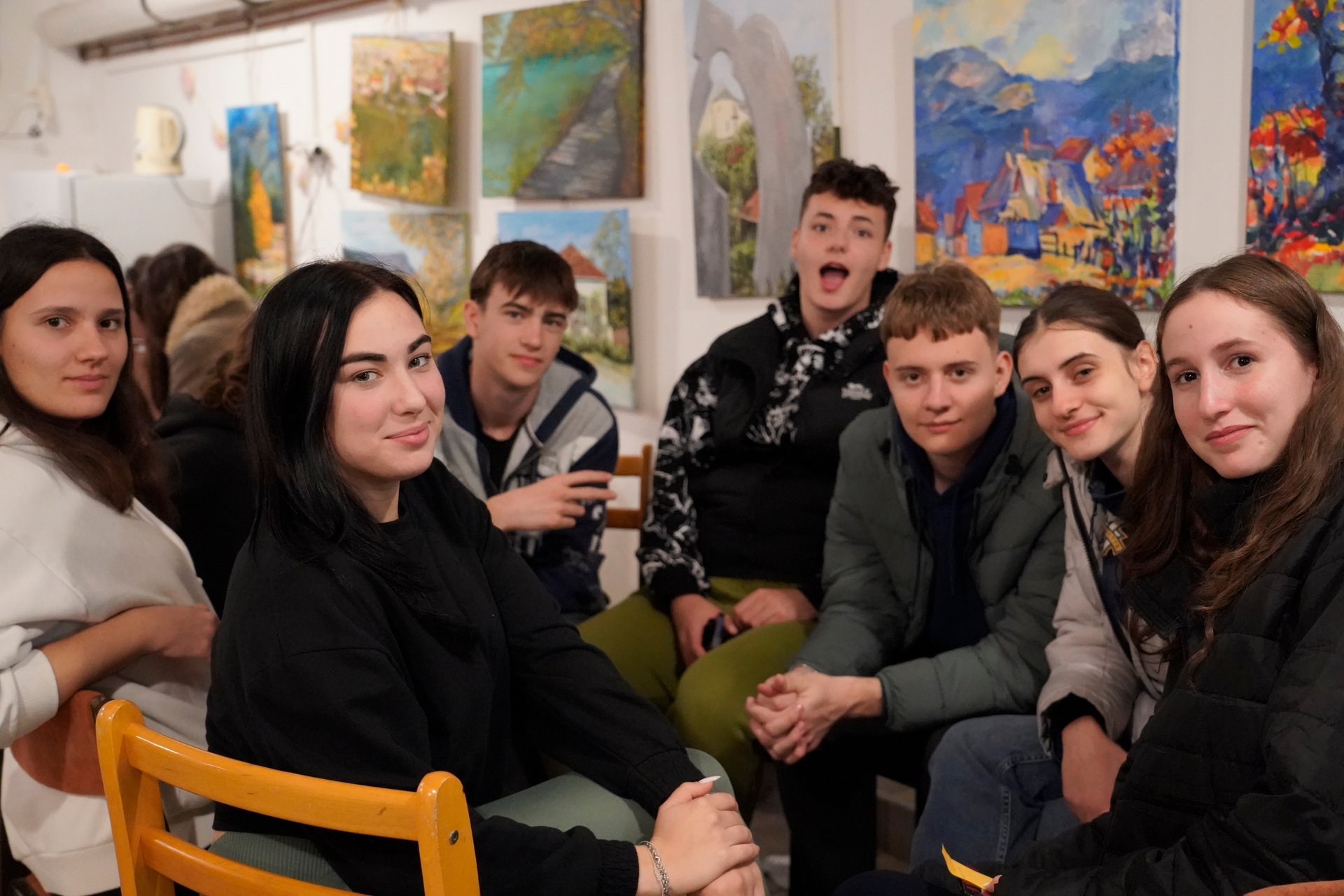
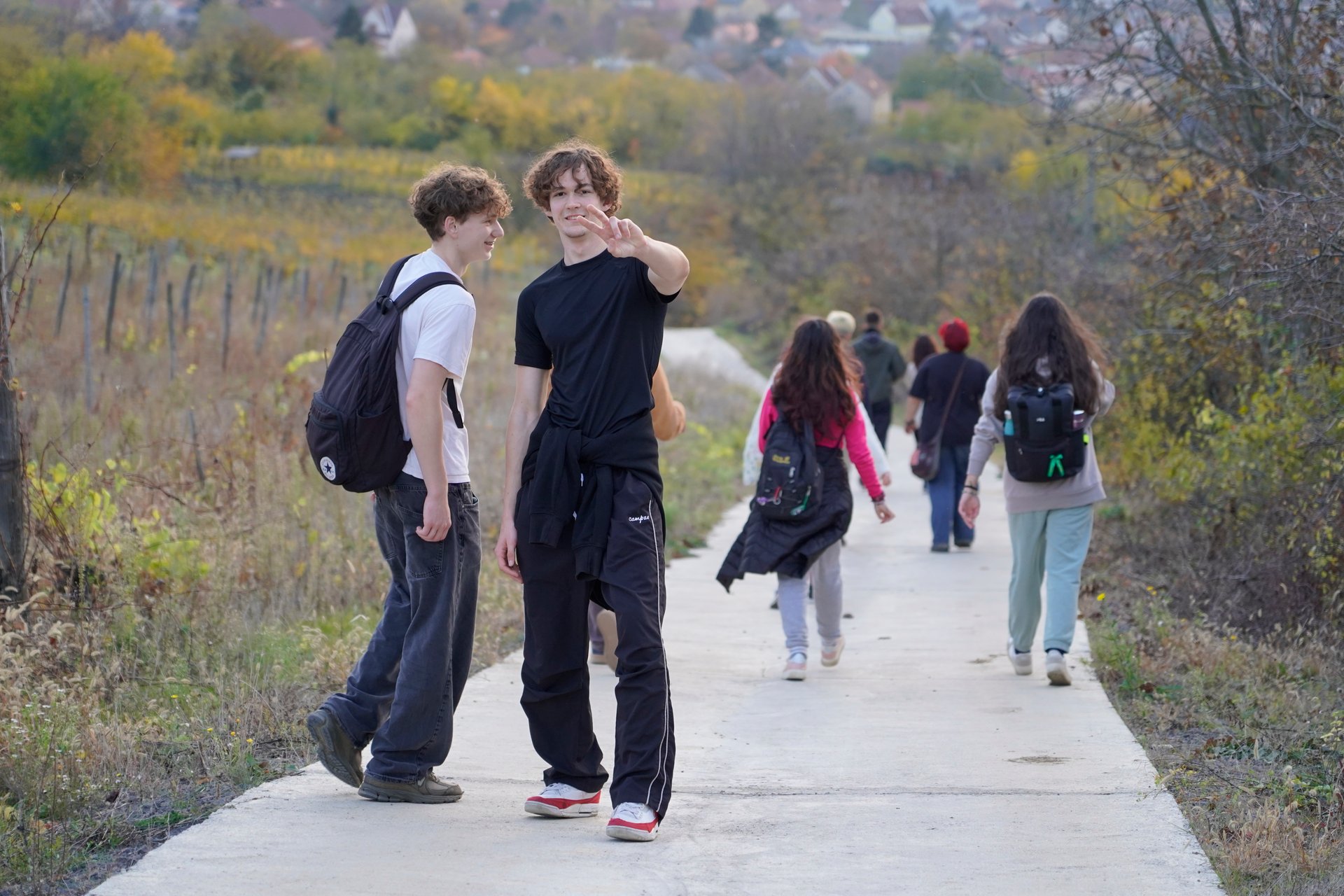
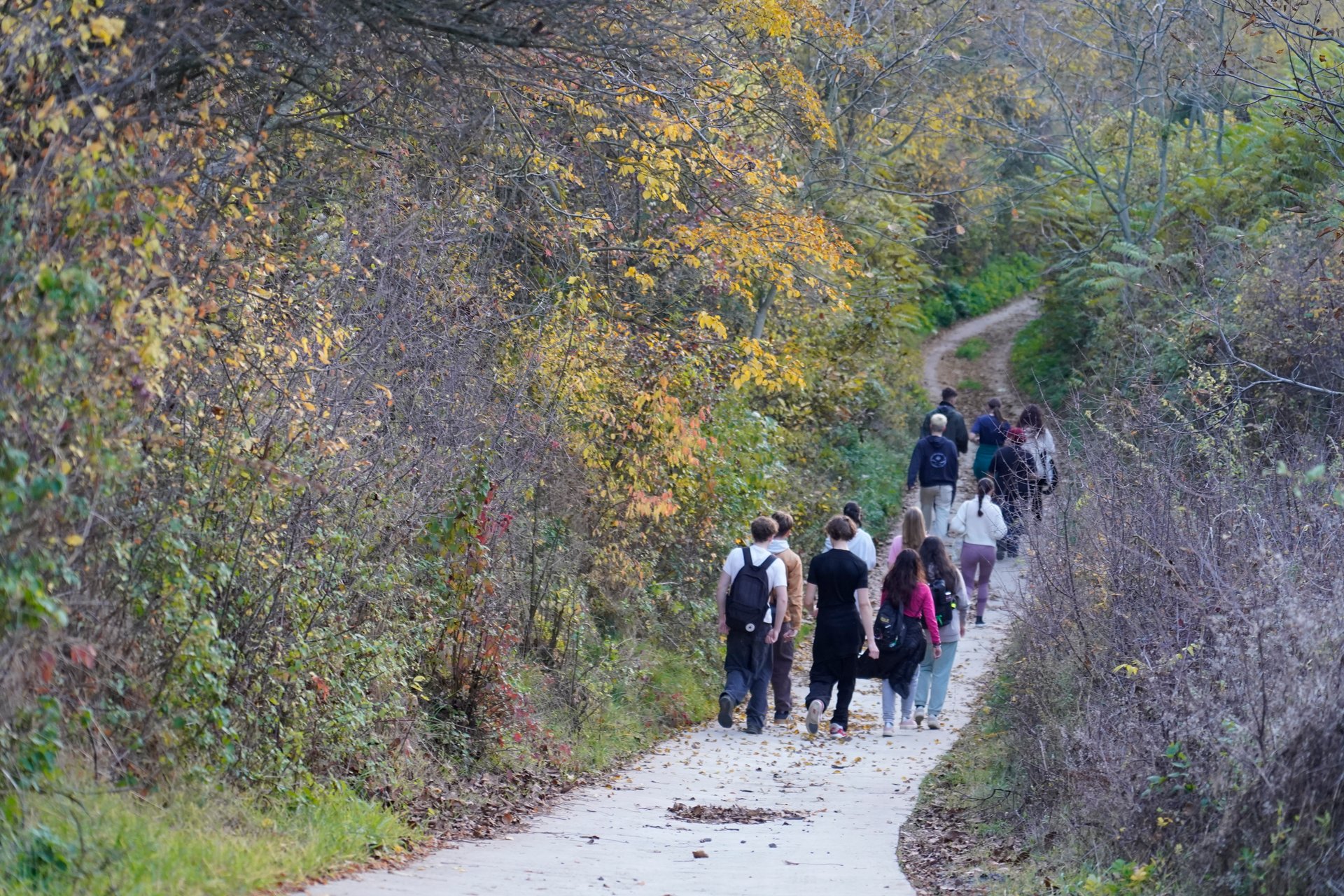
A few more moments from this activity :)
Check these and more photos in the activity’s photo album.